2026 Best Bizerba Automation Solutions for Efficient Food Processing?
The quest for efficiency in food processing is crucial for success. Bizerba Automation Solutions are at the forefront of this industry transformation. These solutions enhance productivity and streamline operations, catering to diverse food processing needs.
Implementing Bizerba Automation Solutions can significantly reduce labor costs and minimize human error. This is essential in a sector where precision matters. By utilizing advanced technology, companies can ensure consistent quality and safety for consumers. The integration of these automation systems requires careful planning and adaptation, which poses challenges.
Despite their benefits, businesses must reflect on implementation costs and potential obstacles. Not every solution suits every operation. It's vital to evaluate each system thoroughly to maximize return on investment. In navigating this evolving landscape, Bizerba Automation Solutions stand as a beacon for those aiming to achieve operational excellence in food processing.
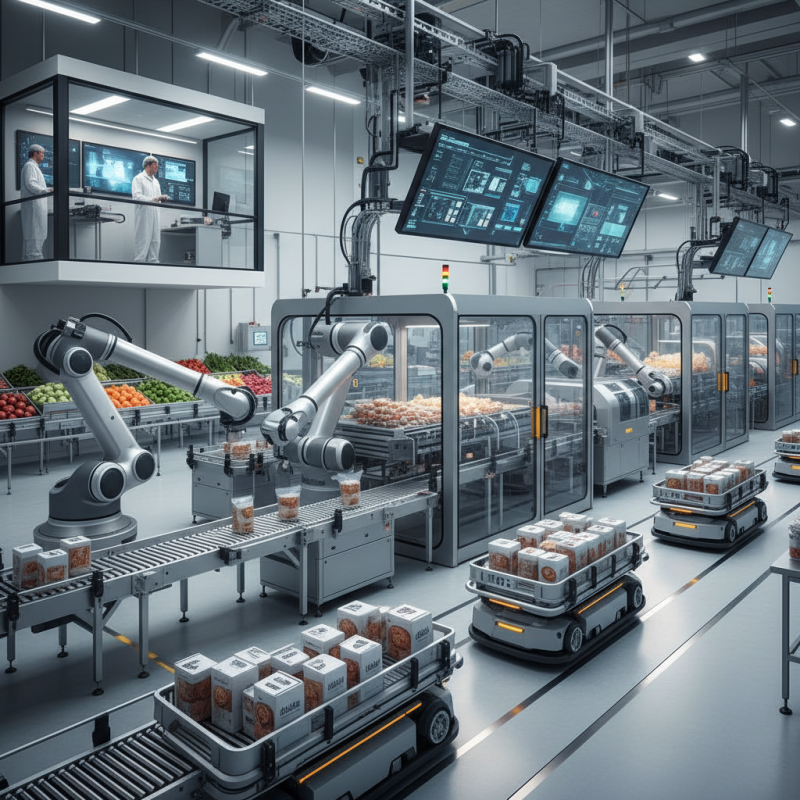
Overview of Bizerba Automation Solutions in Food Processing
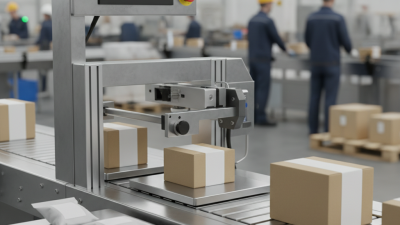
Bizerba automation solutions play a crucial role in modern food processing. Their technology enhances efficiency and ensures consistent quality. These systems streamline various stages, from slicing to packaging. Automation reduces human error and minimizes waste. The integration of smart technology provides real-time data analytics. This empowers operators to make informed decisions swiftly.
Consider adopting automation to improve accuracy in portioning. This reduces overproduction and helps with inventory management. Ensure that staff receives proper training on new systems. Well-trained employees can troubleshoot issues, enhancing overall productivity. Regular maintenance of automated equipment is essential. Neglect can lead to downtime and increased costs.
Effective implementation of automation requires careful planning. Evaluate existing workflows to identify areas for improvement. Not every process may benefit equally from automation. Balance the human touch with technological advancements. Keep in mind that some traditional methods may still have value.
2026 Best Automation Solutions for Efficient Food Processing
Key Features of Bizerba Automation Technologies for 2026
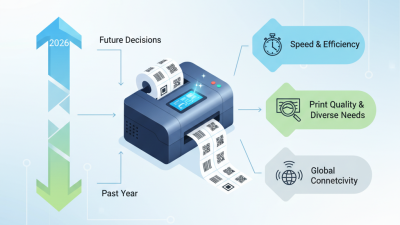
As food processing demands rise, automation solutions become vital. In 2026, Bizerba's technologies offer distinct advantages. Their precision scales and cutting systems are designed for both accuracy and speed. According to industry reports, 70% of food processors report reduced waste through automated processes. This efficiency can enhance profitability while maintaining quality standards.
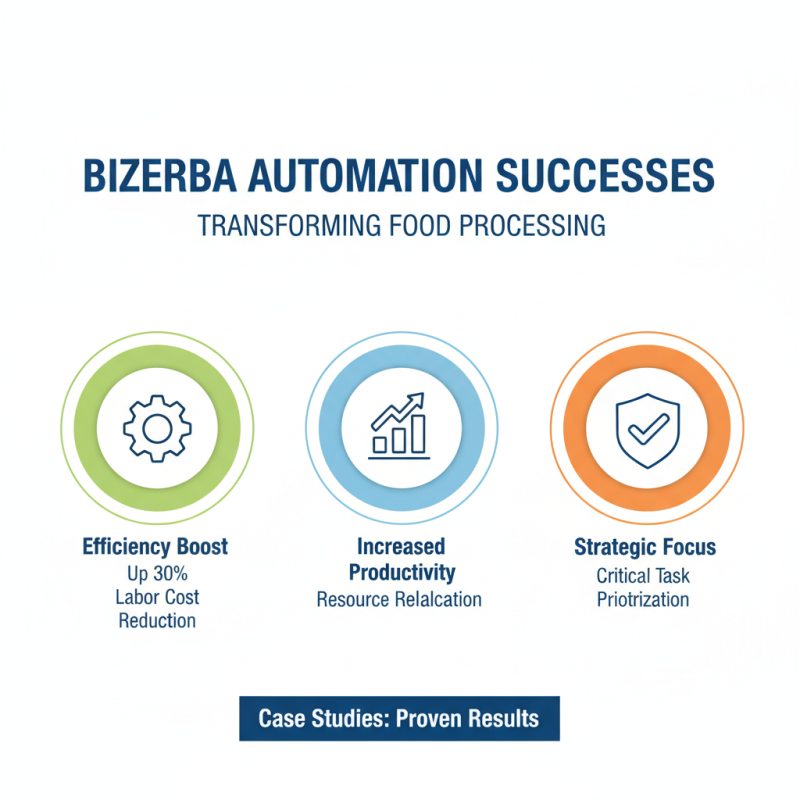
Another hallmark of advanced automation is integration capability. In line with the digitization trend, efficient data management is crucial. Automated systems can connect to existing software, enabling real-time analytics. A McKinsey report highlights that businesses employing such technologies improve operational efficiency by 30%. However, not all systems work seamlessly. Some integration challenges persist, requiring continual assessment.
User experience also plays a key role. Bizerba focuses on intuitive interfaces that reduce training time. Yet, some users still express concerns about complexity during initial setup. Ensuring ease of use remains an ongoing challenge. While automation increases productivity, businesses must not overlook the human element in food processing. Continuous learning and adaptability are essential for maximizing these technologies.
Benefits of Implementing Bizerba Automation in Food Production
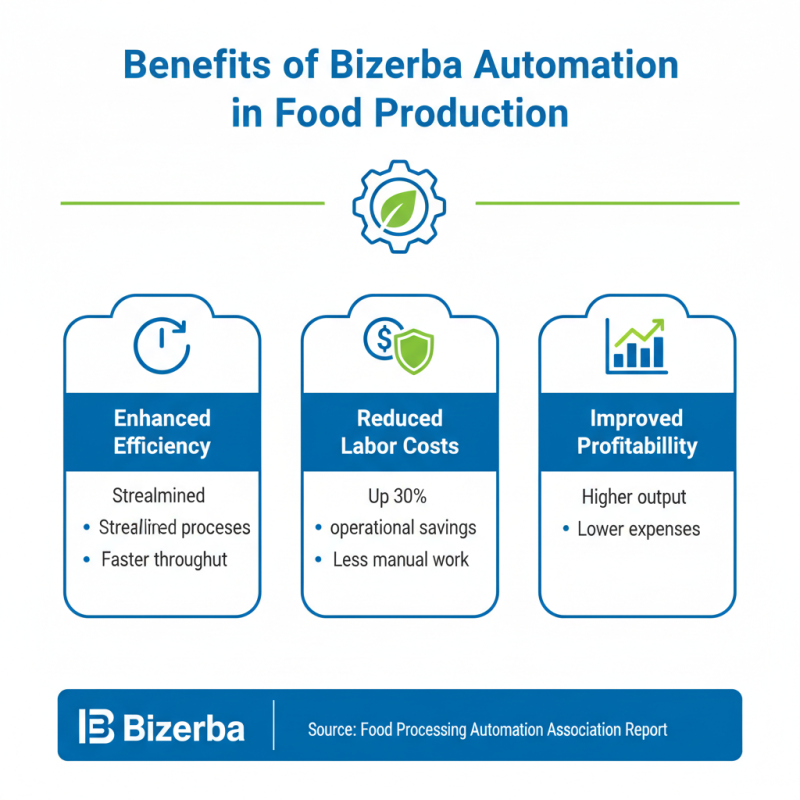
In recent years, food processing companies have increasingly turned to automation solutions for enhancing efficiency. Implementing automation can lead to significant reductions in labor costs. According to a report by the Food Processing Automation Association, companies can save up to 30% on operational expenses by integrating automated systems.
Automation not only minimizes human error but also increases production speed. Data from the International Society of Automation shows that companies experience a 20% boost in output after automating key processes. This can mean the difference between meeting growing consumer demand and compromising product quality. As businesses face tighter regulations around food safety, automation also ensures consistent adherence to these standards.
While the advantages are clear, challenges remain. Initial investments in automation technology can be substantial. The transition period may disrupt existing workflows. Companies must weigh the benefits against possible resistance from staff. An effective strategy involves training employees to adapt to new technologies, ensuring they are not left behind in this evolving landscape. The future of food processing lies in embracing these innovations while addressing workforce concerns.
Future Trends in Food Processing Automation with Bizerba Solutions
In the evolving landscape of food processing, automation is becoming increasingly crucial. The focus on efficiency drives companies to adopt advanced solutions. Recent trends highlight the need for systems that enhance workflow and reduce waste. Many operations now employ integrated technologies to monitor production in real time. These solutions can boost productivity significantly.
However, the implementation of such technologies isn't without challenges. Companies may face hurdles in training staff to adapt to new systems. Resistance to change can slow down the transition. There is also the risk of over-reliance on automation, which can lead to a diminished skill set among workers. Balancing automation with human oversight is essential for long-term success.
Furthermore, the future of food processing automation holds exciting possibilities. As technology advances, we can expect more innovative solutions that leverage data analytics and machine learning. This evolution promises improved quality control and enhanced safety measures. Embracing these trends will require careful planning and willingness to adapt. The path ahead may be complex, but it offers great potential for growth.

 +86 15921716191
 Contact Phone
 Contact Email