2026 Top Trends in Custom Labeling Automation Systems What to Expect?
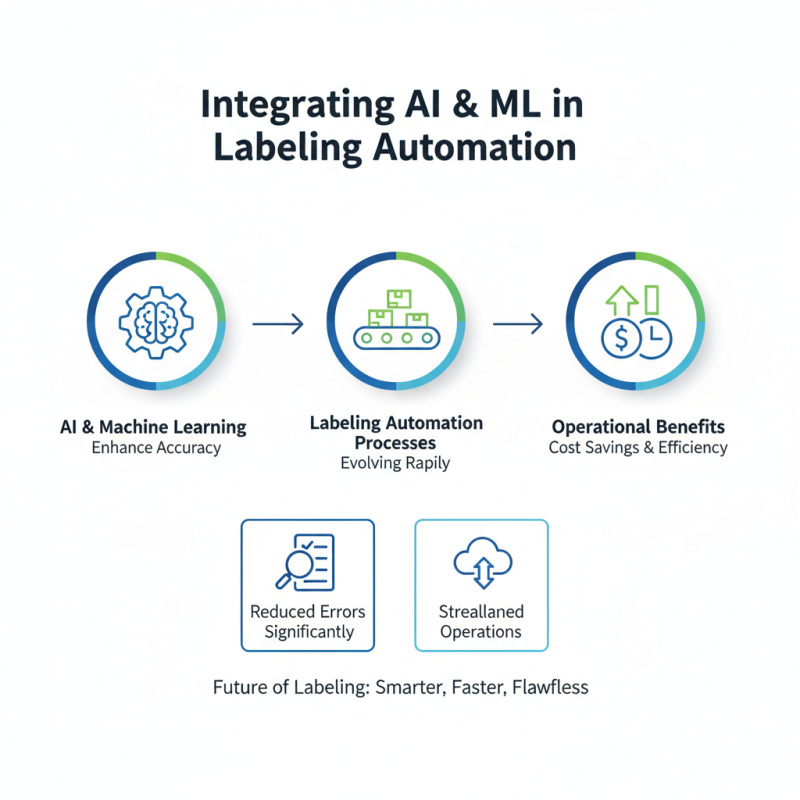
The landscape of Custom Labeling Automation Systems is rapidly evolving. Businesses are increasingly recognizing the importance of automating their labeling processes. This trend not only enhances efficiency but also improves accuracy. With the rise of advanced technologies, customization options are expanding. Companies can now tailor labeling solutions to meet unique needs.
In 2026, we can anticipate significant shifts in labeling automation. Cutting-edge software and smart machinery will dominate the market. These innovations will streamline workflows and minimize human errors. However, while automation brings numerous benefits, it also presents challenges. Companies must continuously adapt to these new technologies and address any training gaps.
Embracing automation requires careful planning. Organizations need to evaluate their current systems and potential improvements. The journey toward effective Custom Labeling Automation Systems is ongoing. Businesses must remain vigilant, ensuring they stay competitive in a fast-paced environment. Overall, the future holds exciting prospects, but reflection on past experiences will be crucial for success.
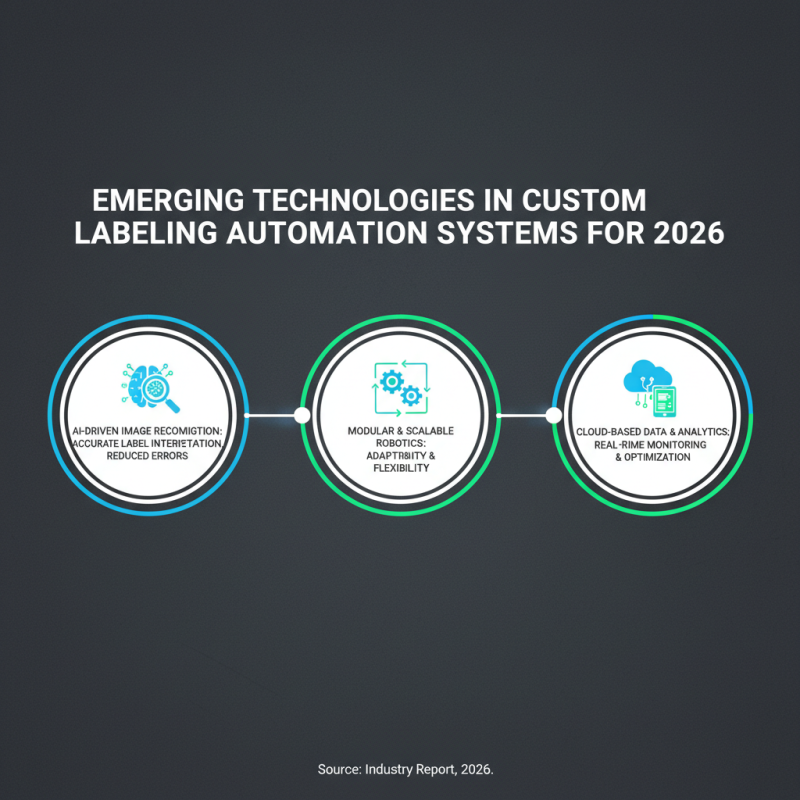
Emerging Technologies in Custom Labeling Automation Systems for 2026
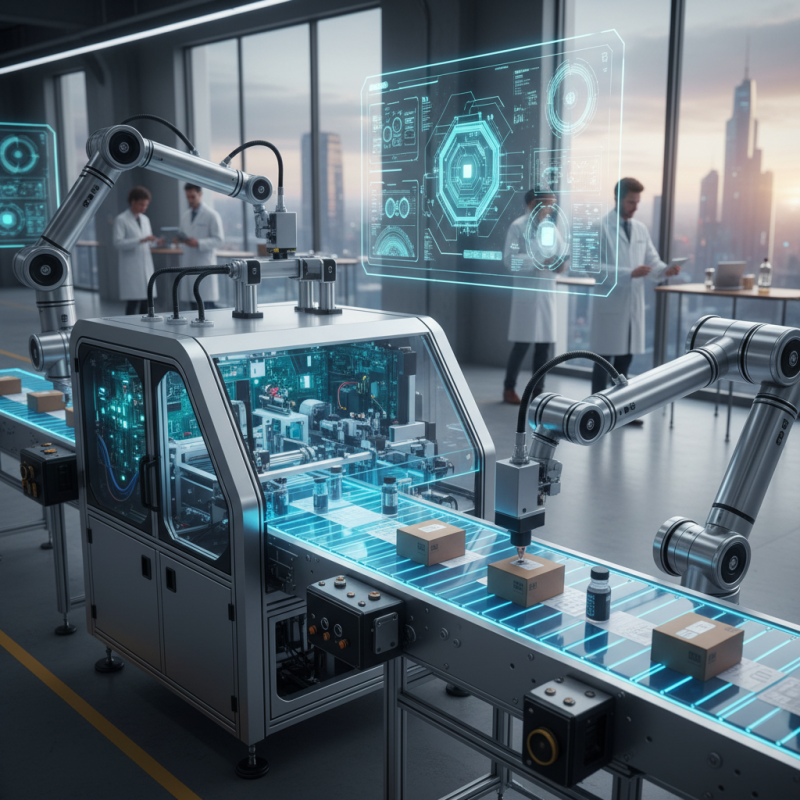
As we approach 2026, the landscape of custom labeling automation systems is evolving rapidly. Emerging technologies are reshaping these systems with impressive innovations. For instance, AI-driven image recognition is becoming more prevalent. This technology can accurately read and interpret various label designs. It enhances efficiency and reduces errors during the labeling process.
Another significant advancement is in blockchain technology. It provides secure tracking of labeling data. Companies can ensure the authenticity and integrity of their products. This is crucial for industries that prioritize transparency. While these advancements offer tremendous benefits, challenges remain. The integration of new technologies requires skilled personnel. Training staff on these evolving systems can be a hurdle for organizations.
Moreover, flexibility remains a concern. Customization of labels must adapt to changing regulations and market needs. Systems should be scalable to accommodate different product lines. Without this adaptability, companies may face operational inefficiencies. Balancing innovation with practical implementation will require careful planning and foresight. Embracing these emerging technologies in 2026 will demand a strategic approach.
Sustainability Trends Impacting Custom Labeling Automation
The push for sustainability is reshaping the custom labeling automation systems industry. According to a recent report from Smithers Pira, nearly 68% of companies aim to adopt eco-friendly labeling practices by 2026. This trend reflects a growing consumer preference for sustainable products, pushing firms to rethink their labeling methods. Automation technology can facilitate these changes, allowing companies to minimize waste and use sustainable materials efficiently.
Incorporating biodegradable and recyclable labels is becoming essential. Presently, more than 50% of consumers consider sustainable packaging crucial in their purchasing decisions. Automation systems can streamline the creation of labels that meet these environmental standards. For example, integrating digital printing technologies can significantly reduce ink waste. Yet, many companies still face challenges in sourcing suitable materials. Their supply chains can be slow to adapt, an area needing focus and innovation.
Moreover, advancements in automation should include efficient tracking of material sources. This ensures compliance with sustainability goals. However, it can be complex to implement. A 2022 study indicated that nearly 40% of firms reported difficulties in monitoring their environmental impact. Thus, companies must balance automation efficiency with the need for transparency. Failure to do so may lead to greenwashing accusations, which can damage brand reputation.
Enhancements in Workflow Efficiency through Automation
As the industry shifts towards greater automation, the role of custom labeling automation systems is evolving. Enhanced workflow efficiency is at the forefront of these advancements. A report from the Automation Industry Association indicates that companies that adopt automation can experience workflow improvements of up to 30%. This is especially significant in industries where labeling accuracy and speed are critical.
Integrating automation into labeling processes reduces manual errors and streamlines operations. A study highlights that 70% of organizations have reported higher productivity after implementing automated labeling solutions. However, there is still a challenge in managing system integration and employee training. As businesses may overlook the importance of ongoing staff education, complications can arise when new systems are introduced.
Moreover, the cost implications of automation are often debated. While the initial investment can be substantial, the long-term savings can offset this. A 2023 industry report noted that organizations often recoup automation costs within two years, yet this timeline varies. Companies must also consider their unique operational needs when deciding on automation technologies. Balancing these factors can be complex, requiring continuous evaluation and adaptation.
2026 Top Trends in Custom Labeling Automation Systems
Future-Proofing Labeling Systems: Trends to Watch in 2026
As industries continue to evolve, the need for innovative labeling systems becomes crucial. By 2026, custom labeling automation systems are expected to embrace advanced technologies. Data from recent industry reports show that the global labeling automation market will reach $7.5 billion by then, indicating a robust growth trajectory. This growth is driven by the increasing demand for faster, more efficient labeling processes across various sectors.
Sustainability will also play a pivotal role in shaping labeling strategies. A report by Smithers Pira indicated that 50% of consumers prefer eco-friendly packaging. Companies will need to integrate sustainable materials in their labeling processes. This shift reflects more than just a trend; it represents a necessary response to consumer behavior. Businesses might face challenges in sourcing these materials, which can complicate their supply chains.
Moreover, personalization in labels could offer brands a competitive edge. Customized labels can enhance customer engagement and brand loyalty. However, there are hurdles in implementing fully automated systems that can cater to diverse consumer preferences. Such complexities necessitate ongoing reflection on consumer needs and technological capabilities. As companies gear up for 2026, being adaptable and forward-thinking will be essential for future-proofing their labeling systems.
2026 Top Trends in Custom Labeling Automation Systems What to Expect? - Future-Proofing Labeling Systems: Trends to Watch in 2026
| Trend |
Description |
Impact on Business |
Expected Adoption Rate |
| AI Integration |
Incorporation of machine learning algorithms for real-time adjustments in labeling. |
Increases efficiency and reduces waste in labeling processes. |
70% |
| IoT Connectivity |
Using IoT devices for tracking and managing labeling systems remotely. |
Enhances supply chain transparency and accountability. |
65% |
| Sustainability Focus |
Adopting eco-friendly materials and practices in labeling production. |
Meets consumer demand for sustainable products, boosting brand image. |
80% |
| Customizable Solutions |
Offering more personalized labeling options to customers. |
Increases customer satisfaction and retention. |
75% |
| Automation Advancements |
Enhancement of automated labeling systems for faster operations. |
Reduces labor costs and improves production speed. |
85% |

 +86 15921716191
 Contact Phone
 Contact Email