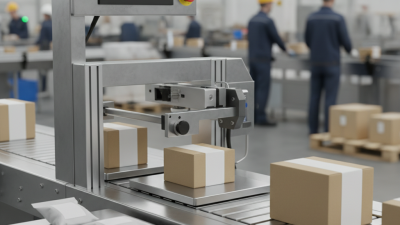
How to Use Automatic Labeling for Retail Products in 2026?
In 2026, the landscape of retail is evolving rapidly. One key innovation is "Automatic Labeling For Retail Products." This technology has the potential to transform how products are marketed and sold. With the increasing demand for efficiency, retailers seek reliable solutions to streamline their operations. Automatic labeling can enhance accuracy and reduce human error.
Implementing automatic labeling systems requires careful consideration. Retailers must choose the right technology and ensure staff are trained. This process may take time, and initial costs can be a hurdle. However, the benefits often outweigh these challenges. Enhanced inventory management and improved customer satisfaction are just a few advantages.
Investing in automatic labeling is a step toward modernizing retail practices. Retailers must remain vigilant and adapt to changes in consumer behavior. As labels become smarter, the connection with customers can deepen. Brands need to think critically about this shift. Not all retailers will thrive with automatic labeling. Understanding unique needs is essential for success in 2026.
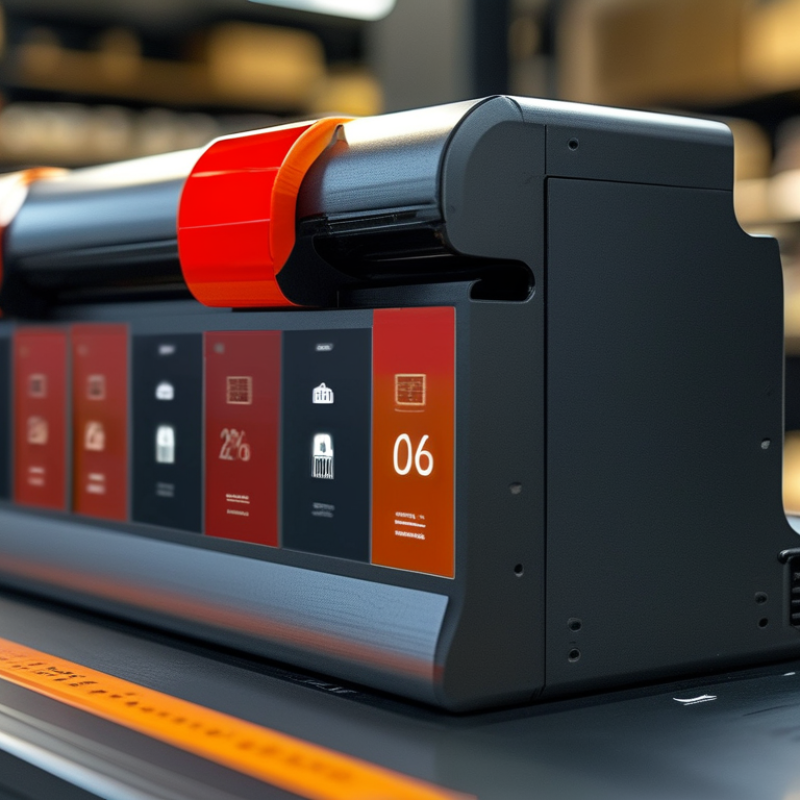
Understanding Automatic Labeling Technology for Retail Products
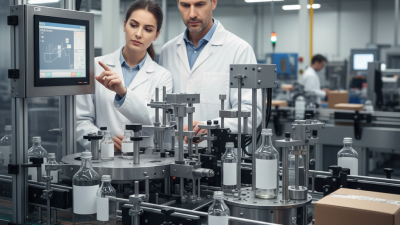
Automatic labeling technology is transforming the retail landscape. In 2026, retailers can leverage this innovation to ensure accuracy and efficiency. This technology, using advanced algorithms and AI, enables automatic product labeling. It reduces human error and ensures compliance with regulations. Accurate labels enhance customer trust and satisfaction.
Tips: Choose user-friendly software. Many options have customizable interfaces. This allows quick adaptation to specific retail needs. Regular updates and maintenance of labeling systems are essential to prevent downtime.
Retailers should analyze their product range. Understanding the specific labeling needs of each product category is crucial. Some products may require more complex information than others. Testing different labeling strategies is also important. This can reveal which methods yield the best results in accuracy and customer engagement.
Tips: Train staff on new labeling technology. They need to understand how it operates. Knowing its benefits helps in troubleshooting minor issues. Encouraging feedback from employees can lead to improvements and optimized processes. Emphasizing adaptability will ensure the technology evolves with changing retail demands.
Key Benefits of Automatic Labeling in Retail Environments
Automatic labeling in retail is set to revolutionize product management. As of 2026, the efficiency gains are expected to be transformative. According to recent industry reports, 80% of retailers could see a significant decrease in labeling errors, thus enhancing overall customer satisfaction. This reduction in inaccuracies not only streamlines operations but also fosters greater trust between retailers and consumers.
Moreover, automatic labeling can drastically cut labor costs. A study by a leading technology consultancy indicates that retailers adopting automation could reduce labor expenses by up to 35%. This shift allows employees to focus on higher-value tasks, such as customer service. While the initial investment may seem daunting, the long-term financial benefits suggest a favorable return on investment.
However, it's crucial to acknowledge that not every deployment will be smooth. Challenges can arise from integrating new technologies with existing systems. Retailers must also ensure their staff is adequately trained to manage these changes. Balancing automation with human elements can lead to nuanced operational improvements. The road to complete automation will require continuous adaptation and reflection on best practices.
Steps to Implement Automatic Labeling Systems in Retail
Implementing automatic labeling systems in retail requires careful planning and execution. Start by assessing your current labeling process. Identify the strengths and weaknesses. Understanding these aspects can guide your improvements. Engage with key stakeholders. This includes employees, suppliers, and customers. Their insights will shape your approach.
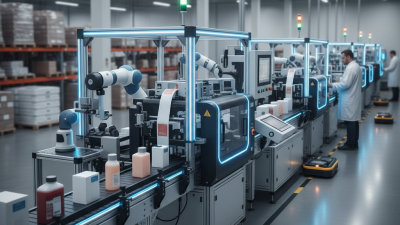
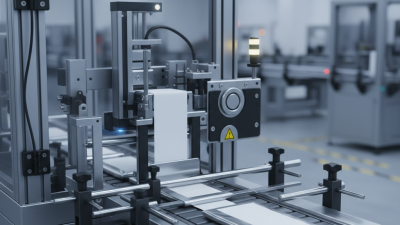
Next, select appropriate technologies for labeling. Options include robotic arms, printers, and sensors. These tools should fit your specific needs. Test the selected systems in a controlled environment. Monitor their performance and make adjustments as necessary. Feedback loops are vital here. They help refine the process and ensure effectiveness.
Training is crucial in this transition. Employees need to understand how to operate new systems. Conduct practical sessions to instill confidence. Provide resources for ongoing support. As systems evolve, continuous learning becomes essential. Reflect on the initial deployment challenges. Identify areas for future improvement. Remember, the journey to fully automated labeling is iterative and requires patience.
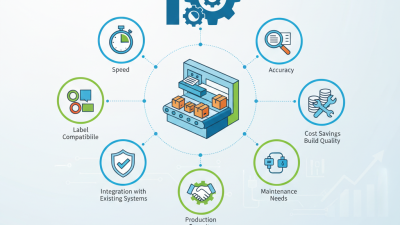
Retail Product Automatic Labeling Efficiency in 2026
Best Practices for Integrating Automatic Labeling with Inventory Management
Integrating automatic labeling with inventory management can streamline operations in retail. This approach reduces human error and increases accuracy. However, it is vital to consider the relationship between labeling and inventory systems. A cohesive strategy can enhance real-time data visibility.
Creating an effective labeling protocol involves collaboration between teams. This ensures that the labeling process is aligned with inventory tracking needs. For instance, labels should contain essential information, including product descriptions and stock levels. This automation can simplify the inventory auditing process.
Tips: Use standardized label formats across your products. This reduces confusion and speeds up training for new staff. Regularly review your labeling process. Look for inconsistencies or outdated practices that may hinder efficiency. Stay open to feedback from employees who interact with the system daily. Their insights can lead to significant improvements, ensuring the system works for you.
Future Trends in Automatic Labeling for Retail Products by 2026
The rise of automatic labeling in retail is transforming how products are identified and marketed. By 2026, it is projected that the automatic labeling market will witness a compound annual growth rate (CAGR) of 5.3%, reaching nearly $4.1 billion. Recent studies indicate that retailers are increasingly adopting automated systems for cost efficiency and quicker inventory turnover.
In this evolving landscape, accuracy and speed will be paramount. Automatic labeling minimizes human error, ensuring accuracy in product information. Reports suggest that consumers prefer clear, accessible product data. In fact, a significant 70% of shoppers rely on labels when making purchase decisions. However, the technology is not without challenges. Issues related to data security and system integration remain significant hurdles. Retailers must invest in robust cybersecurity measures to protect consumer data.
As automatic labeling becomes more prevalent, success will hinge on continuous improvement. Ongoing training for employees will be necessary to adapt to new systems. Feedback loops from shoppers can help companies enhance label design and information clarity. In 2026 and beyond, being flexible and responsive will define effective labeling strategies.

 +86 15921716191
 Contact Phone
 Contact Email