Top 10 Tips for Choosing the Best Labeler Machine For Bottles?
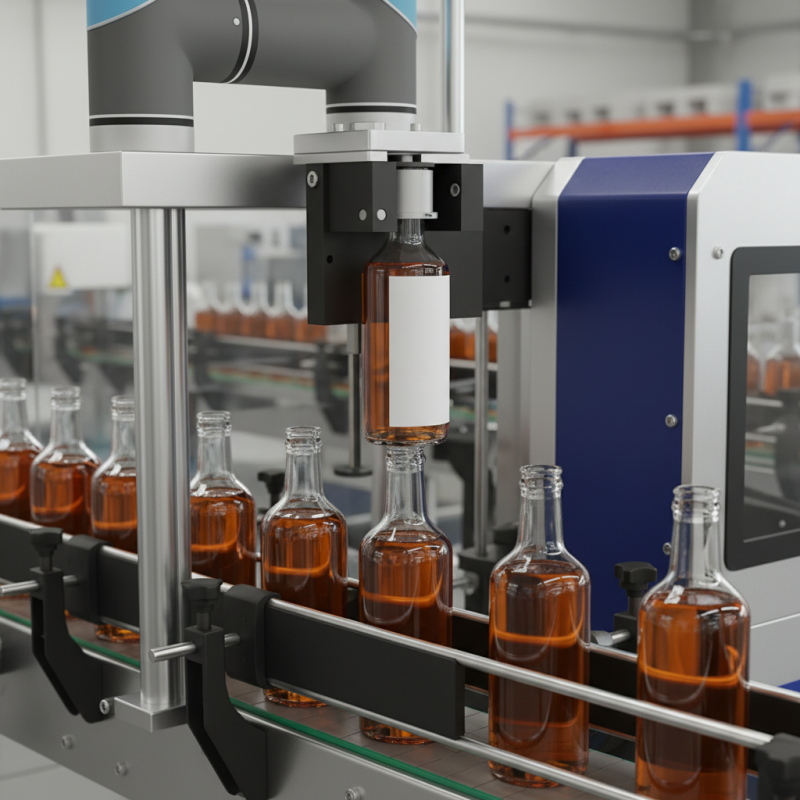
Choosing the right Labeler Machine For Bottles can significantly impact your business. An efficient labeling process boosts productivity. Yet, many factors can complicate this decision. Understanding your specific needs is essential.
When selecting a Labeler Machine For Bottles, consider the bottle types you use. Different designs may require different labeling techniques. Some machines excel at straight labels; others handle complex shapes. Each option has its pros and cons. Determining your product's requirements before purchasing is crucial.
Reliability is another critical factor. A quality machine reduces downtime and saves money. Research reputable brands and customer reviews. This process can be time-consuming but is necessary for making an informed choice. Ultimately, the right Labeler Machine For Bottles enhances efficiency while meeting your operational needs.
Understanding Different Types of Labeler Machines Available on the Market
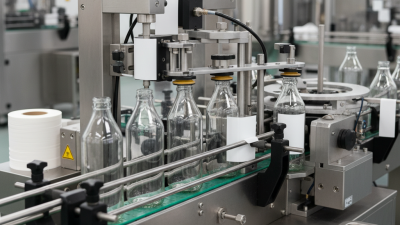
When selecting a labeler machine for bottles, it’s essential to understand the different types available. Each type has unique features tailored for specific needs. The most common types are manual, semi-automatic, and fully automatic labelers. Manual machines are cost-effective but require significant labor. Semi-automatic machines increase efficiency, but they still rely on operator intervention. Fully automatic models offer maximum speed and precision, suitable for high-volume production.
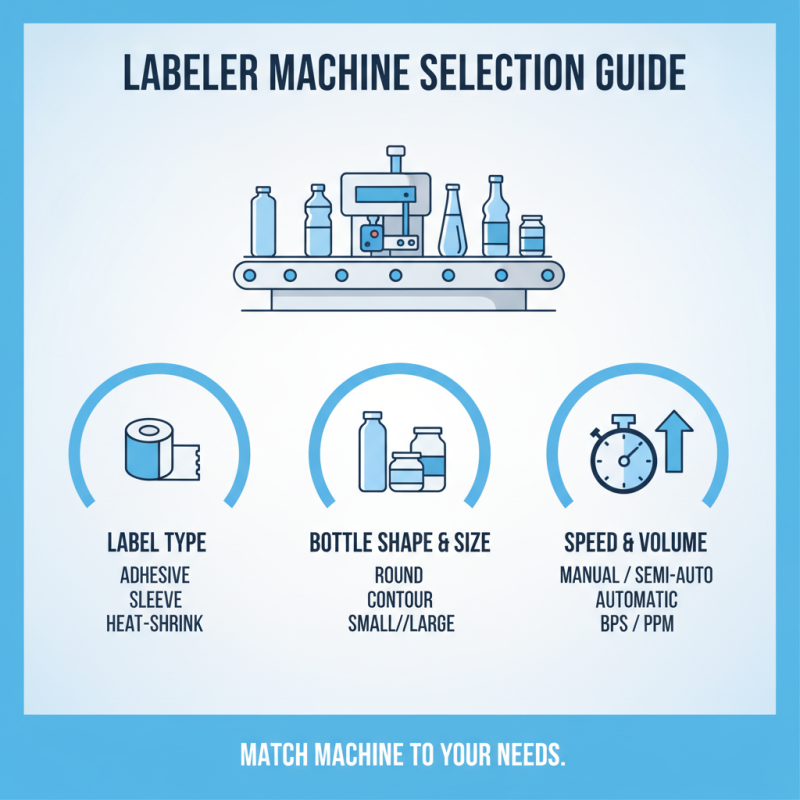
Consider the materials and bottle shapes you will work with. Different labelers handle smooth, round, or irregular surfaces differently. Some machines may struggle with curved bottles, leading to misaligned labels. It's important to evaluate the labeling speed needed for your production line. A mismatch can result in bottlenecks or wasted labels.
Think about the ease of setup and changing label rolls. Complicated adjustments can lead to frustration and downtime. Maintenance is also a critical aspect. Some machines require more frequent servicing than others. Choose one that balances performance and upkeep. Investing time to understand these factors will aid in selecting the right labeler for your specific needs.
Top 10 Tips for Choosing the Best Labeler Machine For Bottles
| Tip No. |
Tip |
Type of Labeler |
Recommended Use |
| 1 |
Define Your Labeling Needs |
Manual & Semi-Automatic |
Small-scale production |
| 2 |
Evaluate Labeling Speed |
Fully Automatic |
High-volume production |
| 3 |
Consider Labeling Accuracy |
All Types |
Quality-sensitive products |
| 4 |
Look into Compatibility with Bottles |
Semi-Automatic |
Various bottle sizes |
| 5 |
Assess Labeling Material Types |
Manual & Fully Automatic |
Different material requirements |
| 6 |
Determine Budget Constraints |
All Types |
Any scale operation |
| 7 |
Examine Maintenance Requirements |
Automatic & Semi-Automatic |
Long-term usage |
| 8 |
Check for User-Friendliness |
Manual & Semi-Automatic |
Ease of operation |
| 9 |
Inquire About Warranty and Support |
All Types |
Purchasing confidence |
| 10 |
Read Customer Reviews and Ratings |
All Types |
Product reliability |
Key Features to Consider When Selecting a Labeler Machine for Bottles
Choosing the right labeler machine for bottles is crucial for various businesses. When selecting a machine, consider the type of labels it can handle. Some machines specialize in adhesive labels, while others can accommodate sleeves or heat-shrink labels. Understanding your labeling needs is essential.
Another key feature is the machine’s speed and accuracy. Will it meet your production requirements? A faster machine may seem appealing, but it must not compromise labeling quality. Look for machines that offer precise alignment to prevent wastage. Ease of use is also vital. This can significantly reduce training time for your staff.
Durability is often overlooked. A robust labeler can save you money in the long run, reducing maintenance costs. However, an overly complex design can lead to frequent breakdowns, impacting productivity. Lastly, consider the support and resources from the manufacturer. Reliable support can help mitigate issues that arise, ensuring smoother operations over time.
Assessing the Labeling Speed and Production Capacity of Labeler Machines
When selecting a labeler machine for bottles, the labeling speed and production capacity are crucial. A recent industry report indicates that machines can typically label between 100 and 300 bottles per minute. This variability highlights the need to match your machine's speed with your production requirements. If your operation demands high throughput, investing in a faster model might be essential. However, if the volume is lower, a less expensive option could suffice.
Production capacity is not solely defined by speed. It's also influenced by the types of bottles being labeled. For instance, an irregularly shaped bottle may slow down the process, impacting overall output. The ability of a machine to handle diverse bottle sizes is a factor worth exploring. Many operators overlook this detail, leading to inefficiencies. An adaptable machine can significantly optimize workflow, making it a smart investment.
Moreover, consider the potential for future growth. What works today might not meet the demands of tomorrow. Upgrading or adapting your equipment could be necessary if your production volume increases. Regularly assessing your current labeling needs could prevent bottlenecks later. By thoroughly evaluating speed and capacity, you can ensure your labeling operations remain efficient and effective.
Labeling Speed and Production Capacity of Labeler Machines
Evaluating the Compatibility of Labeler Machines with Various Bottle Shapes
When selecting a labeler machine, understanding its compatibility with various bottle shapes is crucial. Many industries face challenges due to the diverse bottle designs available. Research indicates that nearly 30% of companies report inefficiencies in their labeling processes because of incompatible machines. Bottles come in many forms—round, square, and tapered—which impact how labels adhere. This diversity means not all labelers can handle every shape effectively.
Evaluating a labeler machine’s adaptability to different bottle shapes is vital. Machines that only cater to standard bottles might struggle with non-traditional shapes, resulting in mislabeling. Data shows that businesses with versatile labelers can enhance productivity by over 25%. Moreover, the right machine should accommodate varying bottle sizes to avoid frequent adjustments. This flexibility not only saves time but minimizes errors and waste.
It's essential to consider the specifications of the labeler. Some machines handle specific materials better than others, affecting adhesion. Bottles made of glass require different labeling techniques compared to plastic ones. Although many machines boast universal compatibility, user reviews often highlight limitations. An informed decision can prevent costly downtime and ensure products reach customers accurately. Analyzing production needs thoroughly can reveal gaps in current efficiencies and point toward more suitable labeling solutions.
Budgeting for Your Labeler Machine Purchase and Future Maintenance Costs
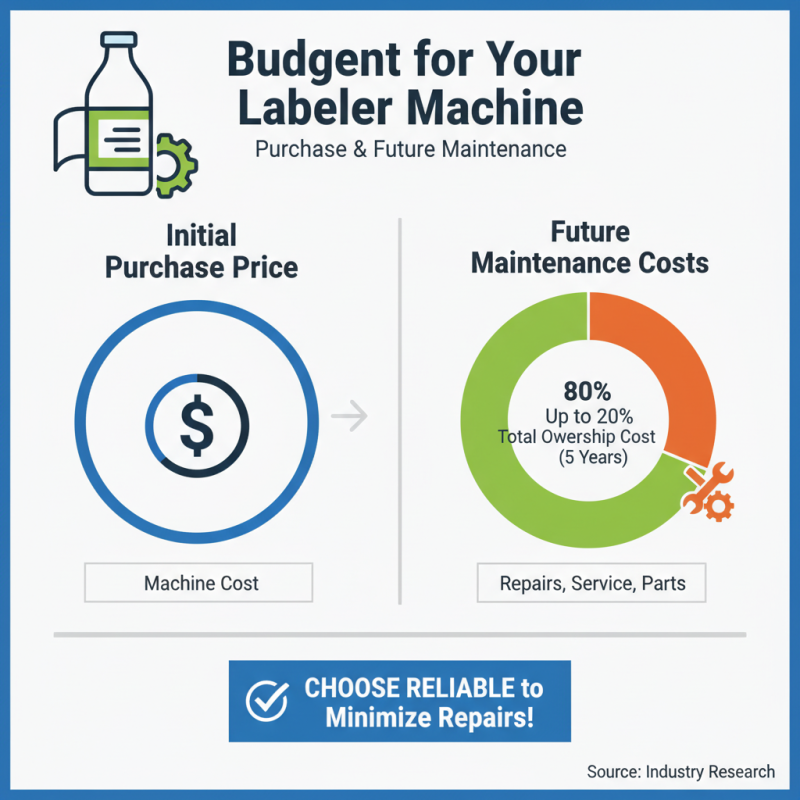
When budgeting for a labeler machine for bottles, consider both the initial purchase price and future maintenance costs. Research indicates that maintenance can account for up to 20% of the total cost of ownership over five years. This highlights the importance of choosing a reliable machine that minimizes frequent repairs and service needs.
Investing in a quality labeler raises upfront costs but can pay off in the long run. Data shows that businesses can save an average of 15% on operational costs with reliable equipment. Regular maintenance helps extend the life of your labeler, ensuring it remains efficient. Some labelers require specialized parts that can add to expenses, so assess the availability and cost of these components.
When selecting a machine, prioritize features that align with your production volume. Consider the speed, accuracy, and flexibility of labels to meet your needs. A low-cost machine may save money initially but might not provide the durability or performance required for demanding environments. Analyzing the total cost of ownership is vital for making a sound investment that supports business growth. Consider setting aside a portion of your budget specifically for maintenance, which will reduce future financial pressure and operational downtime.

 +86 15921716191
 Contact Phone
 Contact Email