China Top Packaging and Labeling Automation Trends and Innovations?
In the rapidly evolving landscape of Packaging And Labeling Automation, companies are exploring innovations that enhance efficiency and sustainability. According to John Smith, an expert in the field, "Automation is not just a trend; it’s the future of packaging." His insights highlight the urgency for businesses to adapt to new technologies.
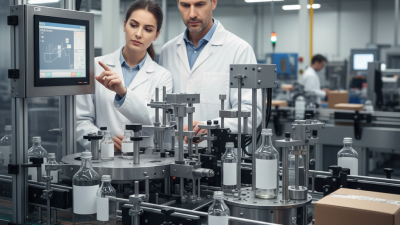
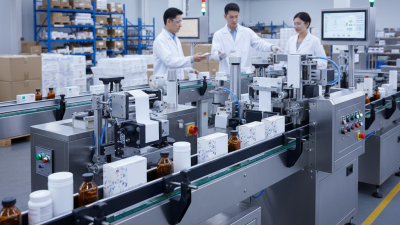
The integration of advanced solutions, such as robotics and AI, is reshaping how products are packaged and labeled. Businesses must consider the balance between technology and human oversight. While automation brings speed, relying solely on machines can lead to errors.
Furthermore, sustainability remains a significant concern. Companies are challenged to innovate while minimizing waste and resource use. As the industry pushes forward, it’s clear that Packaging And Labeling Automation requires a thoughtful approach. Balancing innovation with practical experience will be key to overcoming future challenges.
Emerging Technologies in Packaging Automation in China
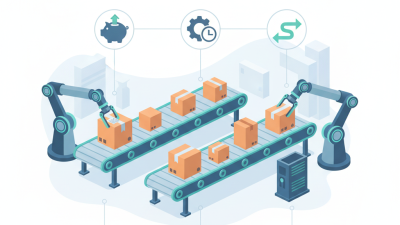
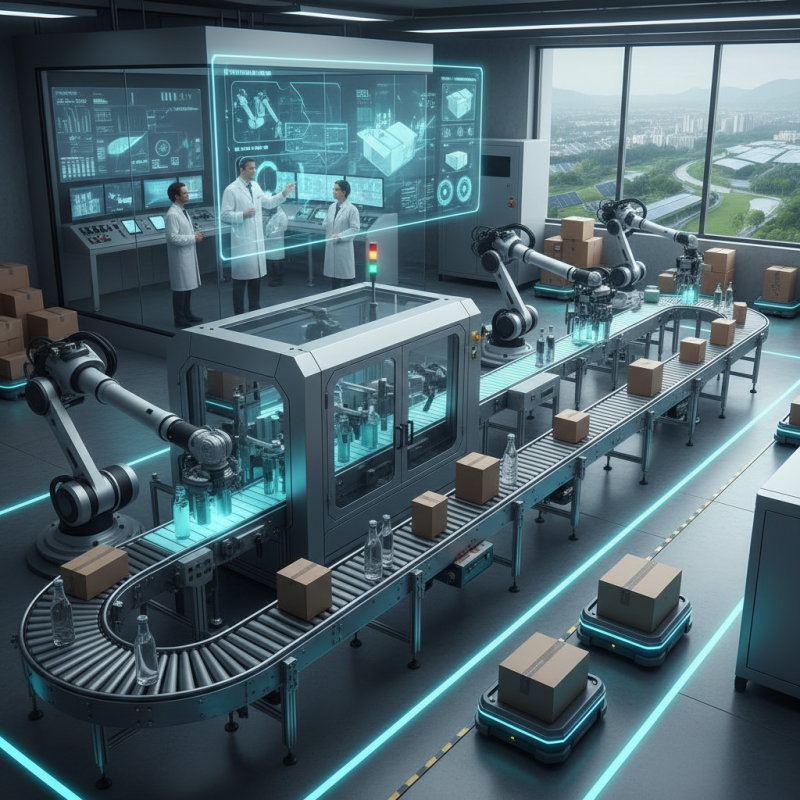
Emerging technologies are transforming packaging automation in China. Smart robotics is one significant trend. These robots enhance speed and efficiency. They can adapt to various product sizes and shapes. Automation solutions now use artificial intelligence for quality control. This leads to fewer defects and waste in production lines.
Additionally, IoT devices are gaining traction in this sector. They monitor machines and track performance in real-time. This data helps optimize workflows and prevent delays. However, integrating these technologies can be challenging for some companies. The learning curve might slow down initial implementation.
Sustainability also plays a crucial role in innovation. Eco-friendly materials are becoming more popular. Many businesses are shifting towards biodegradable and recyclable options. But the transition often raises questions about cost and availability. Some brands struggle to balance sustainability with profitability. Overall, while the trends in packaging automation are promising, practical hurdles remain.
Integration of AI and Machine Learning in Labeling Processes
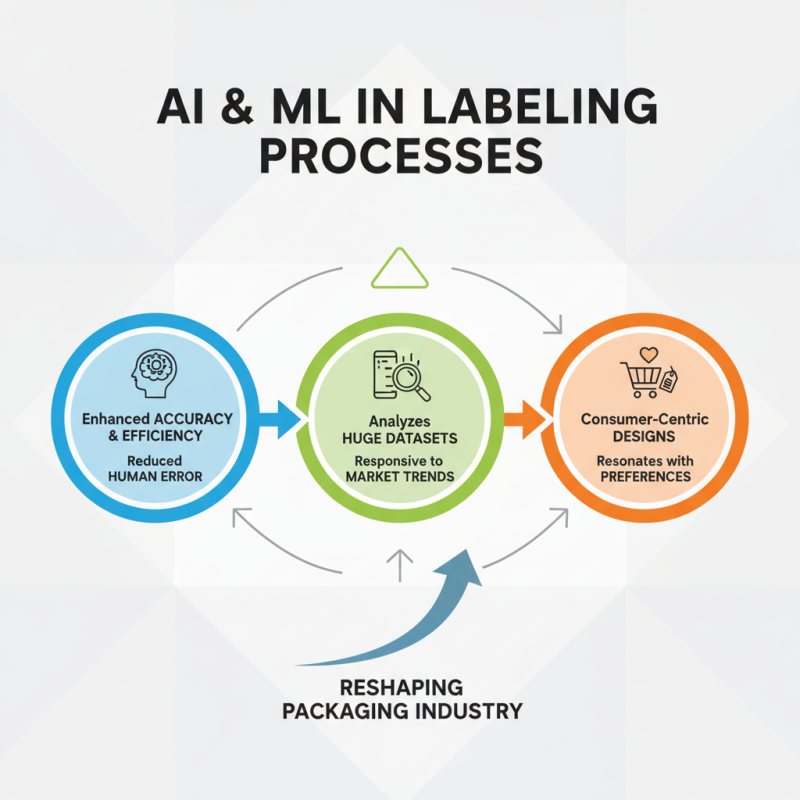
The integration of AI and machine learning in labeling processes is reshaping the packaging industry. These technologies enhance accuracy and efficiency, reducing human error. AI systems analyze huge datasets, making label design more responsive to market trends. This creates labels that resonate with consumers’ preferences.
However, the adoption of these innovations comes with challenges. Not all businesses have the resources to implement advanced AI solutions. Smaller companies may struggle with the costs and complexity of these systems. Moreover, dependence on technology can lead to vulnerabilities. If the system falters, it can disrupt production.
Machine learning can optimize labeling speed and precision. It can adapt to different products and requirements, making it flexible. Yet, companies must continuously train these models to maintain performance. This requires time and expertise. Careful consideration is necessary before fully relying on AI for labeling tasks. Balancing technology with human oversight may be the key to successful implementation.
Sustainable Practices in Packaging and Labeling Innovations
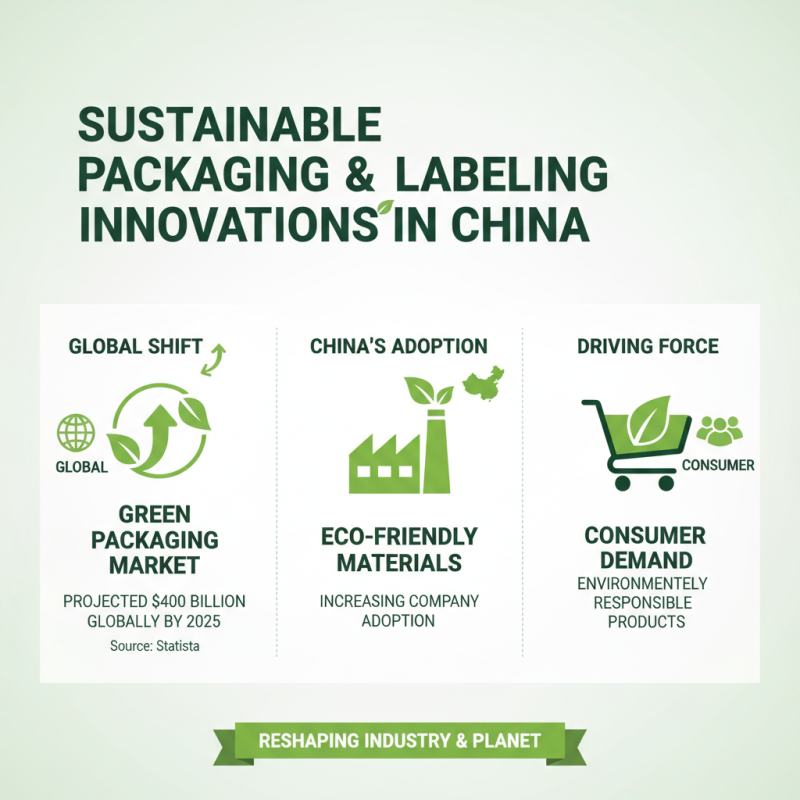
Sustainable practices are reshaping the packaging and labeling industry in China. Companies are increasingly adopting eco-friendly materials. A report by Statista states that the green packaging market is projected to reach $400 billion globally by 2025. This reflects a significant shift towards sustainability, driven by consumer demand for environmentally responsible products.
Innovations in material technology play a crucial role in this trend. Biodegradable films and recycled materials are now standard in many packaging lines. Flexible packaging is gaining traction, reducing waste and resource consumption. According to recent data, 72% of consumers prefer packaging that utilizes sustainable materials. However, challenges remain regarding sourcing and supply chain management.
Automation is also contributing to sustainable practices in labeling. Advanced labeling machines minimize waste by optimizing material usage. The implementation of AI and machine learning in production processes can help identify inefficiencies. Yet, the industry must constantly evaluate the environmental impacts of new technologies. Balancing innovation with sustainability is essential for long-term growth.
Customization Trends in Packaging Solutions for Chinese Markets
Customization is becoming essential in the packaging industry, especially in China. Consumers want products that reflect their personal taste. This demand drives brands to adopt unique designs and materials in their packaging solutions.
Customized packaging not only enhances the appeal of a product but also tells a story that resonates with shoppers.
Furthermore, technology plays a vital role in this trend. Digital printing allows manufacturers to produce small batches of customized packaging quickly. This adaptability reduces waste and adds flexibility. Brands are more willing to experiment with different sizes, shapes, and colors.
These options create a sense of exclusivity for the consumer. However, the challenge lies in maintaining quality while offering such variety.
The focus on sustainability also influences customization. Eco-friendly materials are now a priority. Brands want custom packaging that aligns with their sustainability goals. Yet, this shift is not without its hurdles.
Companies must balance cost and quality while meeting consumer expectations. As brands navigate these complexities, they must reflect on their processes and adapt to stay relevant in this evolving market.
The Role of E-commerce in Transforming Packaging and Labeling Strategies
E-commerce is shaping packaging and labeling strategies significantly. The online shopping boom has changed consumer expectations. Shoppers now prioritize sustainability and convenience. According to a recent report by McKinsey, 70% of consumers prefer eco-friendly packaging. Brands must adapt to this demand swiftly.
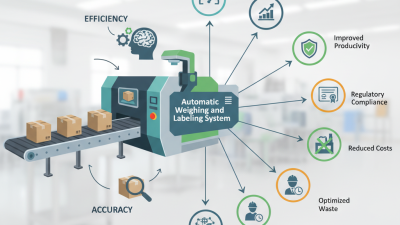
Automation plays a pivotal role here. Packaging processes are becoming smarter and more efficient. Automated labeling helps reduce errors and speeds up production. Industry research indicates that automation in packaging could increase productivity by 25% in the next three years. However, challenges arise. Many companies struggle to integrate new technologies smoothly.
Innovative labeling techniques are also critical. QR codes and augmented reality (AR) are gaining popularity. They provide more information and enhance customer engagement. However, not all brands can leverage these technologies effectively. Some face budget constraints, limiting their options. Addressing these challenges is essential for future competitiveness in the e-commerce landscape.
Trends in Packaging and Labeling Automation in China

 +86 15921716191
 Contact Phone
 Contact Email