How to Choose the Best Industrial Labeling Solutions for Your Business?
Choosing the right Industrial Labeling Solutions is crucial for businesses today. John Simmons, a recognized expert in industrial labeling, once stated, "The right labels can transform your operational efficiency." His insight highlights the significance of thoughtfully selecting labeling options.
In today's competitive landscape, effective labeling is more than just aesthetics. It impacts compliance, workflow, and customer satisfaction. For many companies, choosing labels can feel overwhelming. Brands need to consider materials, printing methods, and durability. Each factor can influence production costs and time.
Some businesses choose labels without fully understanding their needs. This can lead to costly mistakes. The demand for clarity and functionality often clashes with budget constraints. Companies must reflect on their specific needs before settling on a solution. Exploring various options ensures they find an industrial labeling solution that truly fits. Balancing quality and affordability is essential for long-term success.

Identifying Your Business Labeling Needs and Goals
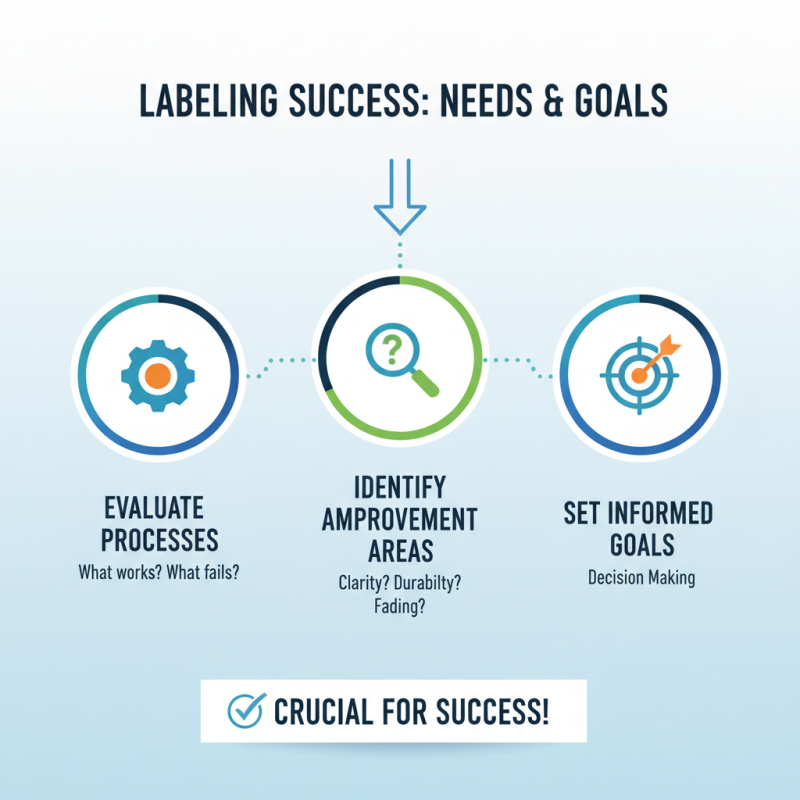
Identifying your business labeling needs and goals is crucial for success. Start by evaluating your current labeling processes. What works? What doesn’t? Look for areas that need improvement. Are your labels clear and durable? Or do they fade quickly? Taking note of these factors is essential for making informed decisions.
Consider the types of materials you use. Do they withstand harsh conditions? Explore options that align with your specific industry needs. Also, think about your target audience. What information do they need? Is it accessible on your labels? Strive for clarity and simplicity, but also ensure that your labels comply with industry standards.
It’s vital to reassess your goals regularly. Are your labeling efforts meeting your expectations? Feedback from employees and customers can offer insights. Maybe some labels are too complex. A simpler design might serve better. Reflect on these elements, as they can significantly affect your operational efficiency and brand perception.
Exploring Different Types of Industrial Labeling Solutions
When exploring industrial labeling solutions, it's crucial to understand the various types available. Labels can vary significantly by material, purpose, and application method. For instance, thermal transfer labels offer durability but can be more expensive. Direct thermal labels, on the other hand, are cost-effective but may fade over time. Choosing the right type requires balancing budget and longevity.
Adhesive types also play a vital role. Permanent adhesive labels are great for products that need to withstand harsh conditions. Removable adhesives may suit situations where items need to be repositioned frequently. However, there's potential for adhesive residue, requiring thorough clean-up later. Moreover, color coding can enhance workflow efficiency, yet it demands careful planning to avoid confusion among workers.
Design is another critical aspect. A legible, clear label can drastically affect inventory tracking and compliance. Ineffective designs may lead to mislabeling or lost items, hindering operations. Testing different designs with users can reveal flaws. It’s essential to create labels that meet industry standards while enhancing visibility. Lastly, consider scalability, as your business might grow and require different labeling solutions over time.
How to Choose the Best Industrial Labeling Solutions for Your Business? - Exploring Different Types of Industrial Labeling Solutions
| Labeling Solution Type |
Key Features |
Advantages |
Best Use Cases |
| Thermal Transfer Labels |
High durability, options for color printing |
Resistance to chemicals and abrasion |
Manufacturing, warehousing, and logistics |
| Direct Thermal Labels |
No ribbon needed, fast printing |
Cost-effective for short-term use |
Shipping labels and temporary labels |
| Inkjet Labels |
Vibrant color printing, flexibility |
Great for high-quality graphics |
Product branding and marketing |
| Laser Labels |
High-resolution printing, durable |
Long-lasting labels suitable for many surfaces |
Asset tracking and identification |
| Customizable Labels |
Tailored shapes, sizes, and materials |
Meets specific industry needs |
Niche markets and specialized applications |
Evaluating Labeling Technologies and Equipment Options
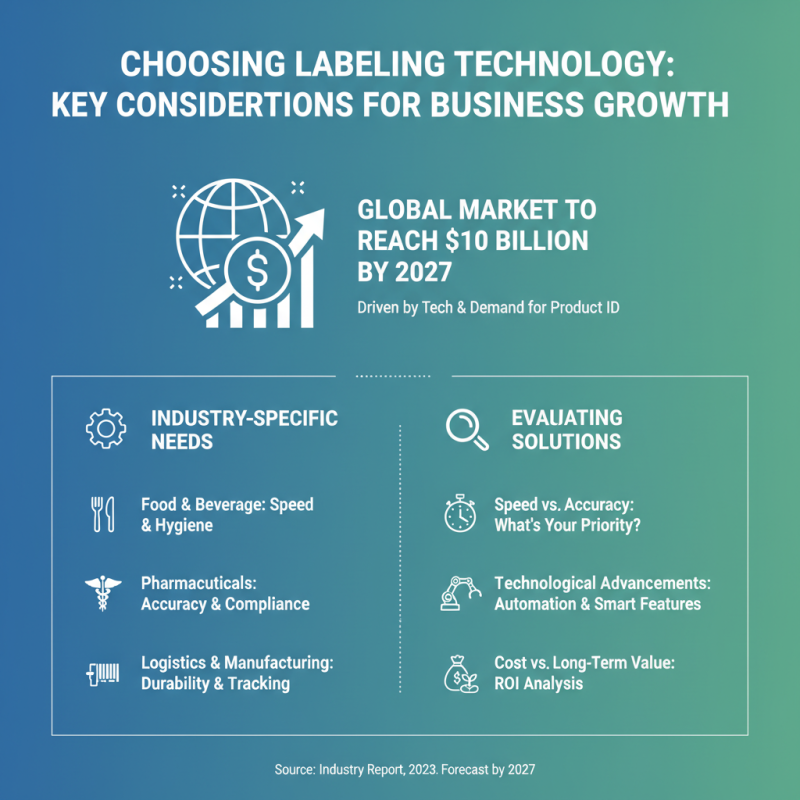
When evaluating labeling technologies and equipment for your business, consider the specific needs of your industry. A recent report indicated that the global labeling equipment market is expected to reach $10 billion by 2027. This significant growth is driven by advancements in technology and increased demand for product identification. Yet, not all solutions are created equal. Some may focus more on speed, while others prioritize accuracy.
It's essential to assess various labeling systems available in the market. Digital printing technology offers flexibility and high-quality output. However, some businesses still rely on traditional methods, which may hinder efficiency. In fact, a study showed that companies using smart labeling systems increased production efficiency by 25%. But these systems can involve steep initial costs, which might deter small businesses. It's crucial to weigh cost against efficiency improvements.
Additionally, consider the scalability of your chosen labeling solution. Many businesses face challenges when their needs shift. A labeling system that works today may not suit future demands. The wrong choice could lead to wasted resources and time. Reflect on the long-term impacts of your decision. Ensuring you have options for growth can make a significant difference in maintaining operational effectiveness.
Considering Compliance and Industry Standards in Labeling
When choosing industrial labeling solutions, compliance is crucial. Different industries have specific regulations that define labeling requirements. These can include safety standards, material specifications, and environmental considerations. Always review the standards relevant to your industry. Missing even a small detail can lead to hefty fines or product recalls.
Next, think about the materials used for your labels. They should withstand various conditions, such as moisture, heat, or chemicals. For instance, labels in a manufacturing plant may need extra durability. Conversely, labels in food production must adhere to safety regulations. An overlooked compliance detail can affect product integrity.
Consider your printing technology as well. Choosing the right printer affects label quality and compliance. A slow printer may lead to errors, while a fast one might compromise durability. You may want to reflect on your current processes. Is there room for improvement? Engaging in a review could lead to better compliance and reduce risks.
Comparison of Industrial Labeling Compliance Standards by Industry
Assessing Cost-Effectiveness and Long-Term ROI of Labeling Solutions
When evaluating labeling solutions, cost-effectiveness is crucial. Businesses often focus on initial expenses, but it’s vital to look beyond that. Consider efficiency and waste reduction. An affordable label printer might save money upfront but could lead to higher costs in the long run. Poor quality labels can cause mislabeling, leading to product returns and customer dissatisfaction.
Long-term ROI is another aspect to reflect upon. Investing in durable, high-quality labeling can save expenses over time. Think about maintenance and consumable costs. More reliable equipment may require less frequent repairs and replacements. This results in significant savings. Evaluate how well different solutions integrate with existing workflows, too. A seamless process can enhance productivity and reduce labor costs.
It’s essential to analyze your specific needs. What types of labels do you require? Will you need variations in size and material? Unclear specifications can lead to poor decisions. Take time to research and gather feedback from your team. Misalignments in expectations can result in frustration and financial strain. Each business has unique demands, so customization matters greatly. The right choice should align with your long-term objectives and operational goals.

 +86 15921716191
 Contact Phone
 Contact Email