Why Choose a Manual Price Labelling Machine for Your Business?
In today's competitive market, choosing the right pricing tools is crucial for business success. According to industry expert Sarah Johnson, a leading consultant in retail technology, "Investing in a Manual Price Labelling Machine can significantly enhance efficiency." This sentiment resonates with many businesses seeking cost-effective solutions.
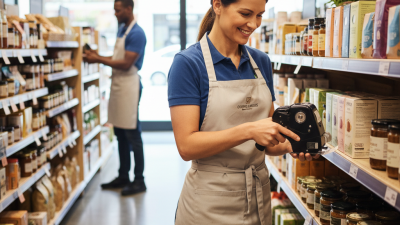
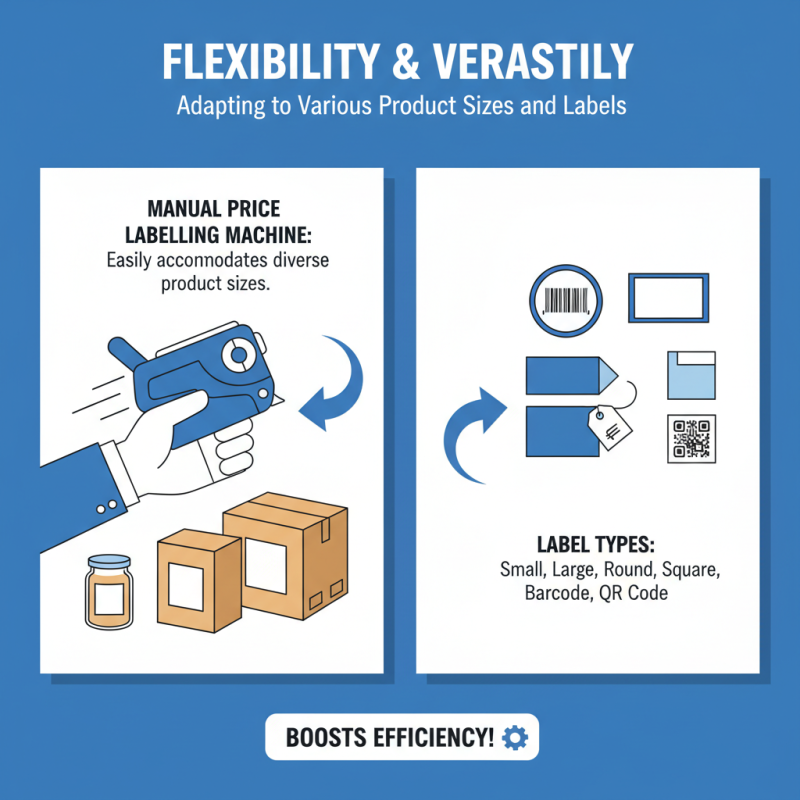
A Manual Price Labelling Machine offers flexibility and control. For small to medium-sized retailers, these machines are often the perfect fit. They allow for quick adjustments in pricing without the need for complex systems. Retailers can adapt prices in real-time based on fluctuating costs. This adaptability is vital in today’s fast-paced economy.
However, reliance on a Manual Price Labelling Machine comes with its own set of challenges. Inexperienced staff may struggle with proper usage, leading to pricing errors. Additionally, while these machines are cost-effective, they may not always align with high-volume operations. Carefully weighing these pros and cons is essential for making the best choice for your business.
Benefits of Manual Price Labelling Machines Over Automated Options
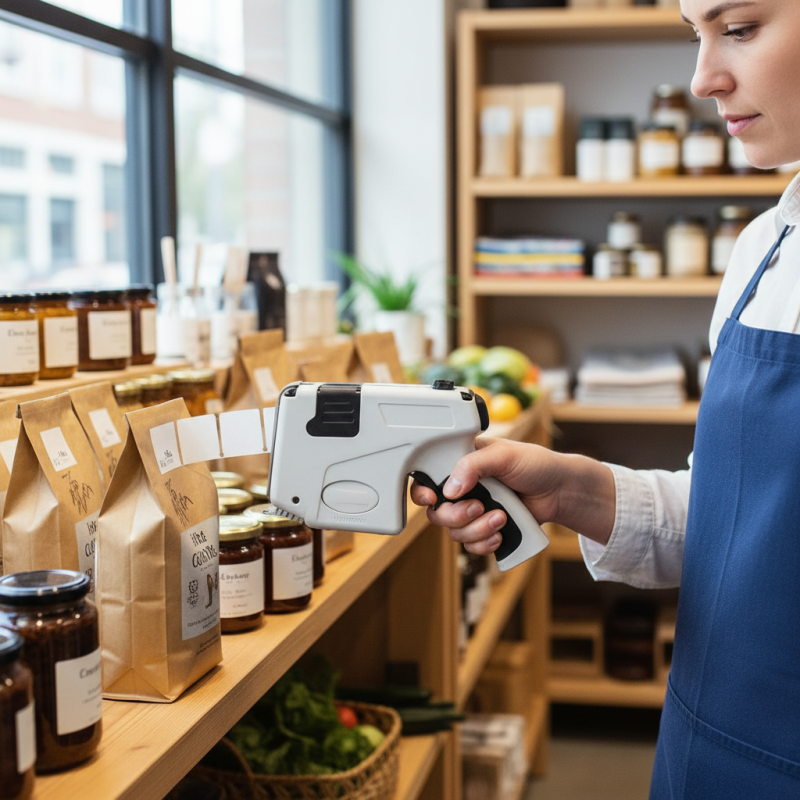
Choosing a manual price labelling machine can transform how businesses approach pricing. One of the primary benefits lies in its cost-effectiveness. Unlike automated solutions, manual machines require less initial investment and minimal maintenance. This is especially important for small businesses with tight budgets. The simplicity of manual machines allows for easy operation. Staff members can quickly learn to label products, reducing training time.
Another advantage is the flexibility offered by manual labellers. Businesses can adjust prices swiftly based on market fluctuations. This adaptability retains customer interest and maintains competitiveness. Manual machines also work well in environments where labeling needs frequently change. Employees can react in real-time, ensuring that the right price is always on the shelf.
Manual price labelling machines offer a personal touch. Customers appreciate seeing prices that reflect recent sales or promotions. However, reliance on manual processes can lead to errors. A misplaced label may confuse customers. Regular checks are essential to avoid miscommunication. Balancing these factors can define how well the labelling process supports overall business goals.
Benefits of Manual Price Labelling Machines Over Automated Options
Cost-Effectiveness: Analyzing Investment vs. Long-term Savings Statistics
Choosing a manual price labeling machine can profoundly impact your business's bottom line. Cost-effectiveness is one of the primary reasons for this choice. According to industry reports, businesses can save up to 30% on labeling costs when switching from automated systems to manual machines. This statistic underscores how manual machines can reduce initial expenses.
Investment in manual labeling machines typically ranges from $200 to $1,000, depending on features and quality. In contrast, automated systems often start at $5,000. Over time, the savings from reduced maintenance and operational costs with manual machines can significantly outweigh the upfront investment. A study found that manual systems can operate for years with minimal upkeep, while automated counterparts frequently require costly repairs.
However, manual labeling may involve drawbacks. The labor-intensive nature can lead to inconsistencies in labeling accuracy. Also, depending on worker efficiency, the time taken to label products may increase. This aspect can affect production schedules. It's essential for companies to consider these factors when evaluating the long-term advantages of a manual labeling system against automated solutions.
Why Choose a Manual Price Labelling Machine for Your Business? - Cost-Effectiveness: Analyzing Investment vs. Long-term Savings Statistics
| Factor |
Initial Investment ($) |
Annual Operational Cost ($) |
Estimated Lifespan (Years) |
Total Cost Over Lifespan ($) |
Estimated Annual Savings ($) |
| Manual Price Labelling Machine |
500 |
100 |
10 |
1,500 |
300 |
| Automated Price Labelling Machine |
5,000 |
800 |
10 |
13,000 |
200 |
| Manual vs. Automated |
|
|
|
11,500 |
100 |
User-Friendliness: Training Time and Employee Productivity Metrics
When considering a manual price labelling machine, user-friendliness is crucial.
Training employees should not take long. A straightforward design allows quick mastery of the machine, enhancing productivity.
With easy-to-follow instructions, new hires can learn to operate it in minimal time.
This leads to less downtime and more efficient work processes.
Moreover, a manual price labelling machine
reduces potential errors. When employees can quickly grasp its use, they feel more confident.
This boosts overall morale and output. Yet, some might struggle at first.
Not everyone will adapt immediately. Continuous practice can help bridge this gap.
Regular feedback helps identify areas that need improvement.
Incorporating a manual price labelling machine into daily operations should support employee effectiveness.
When the machine functions as an ally rather than an obstacle, the benefits multiply.
Reflecting on employee experiences will guide future adjustments,
fostering a smoother workflow for all.
Impact on Branding: Consistency in Pricing Presentation and Customer Perception
In the competitive retail landscape, pricing presentation plays a crucial role. A manual price labeling machine ensures consistency in how prices are displayed. This uniformity fosters trust and enhances a brand's image. According to a study by the Retail Industry Leaders Association, 70% of consumers believe that organized, clear pricing reflects a better overall shopping experience.
Confusing price tags can lead to frustration. Research suggests that 58% of customers encountered issues due to unclear pricing. An inconsistent presentation may result in a perceived lack of professionalism. Manual labeling allows businesses to maintain control over their pricing aesthetics and messaging. Each label can be crafted to match brand guidelines, supporting customer recognition and loyalty.
Pricing inconsistencies can hurt customer perceptions. A clear visual identity enhances memorability. Customers associate thoughtful presentation with quality. Brands leveraging manual labeling report improved customer satisfaction and repeat visits. However, depending solely on manual processes can introduce human error. Businesses must train staff consistently while balancing speed and accuracy. This challenge reflects the need for continuous improvement in branding strategies.

 +86 15921716191
 Contact Phone
 Contact Email