How to Choose the Best International Labeling Equipment Suppliers?
Choosing the right international labeling equipment suppliers is critical for businesses. The labeling industry is expected to grow at a CAGR of 4.5% from 2021 to 2026, reaching nearly $45 billion. This growth underscores the need for reliable suppliers who can match the demand.
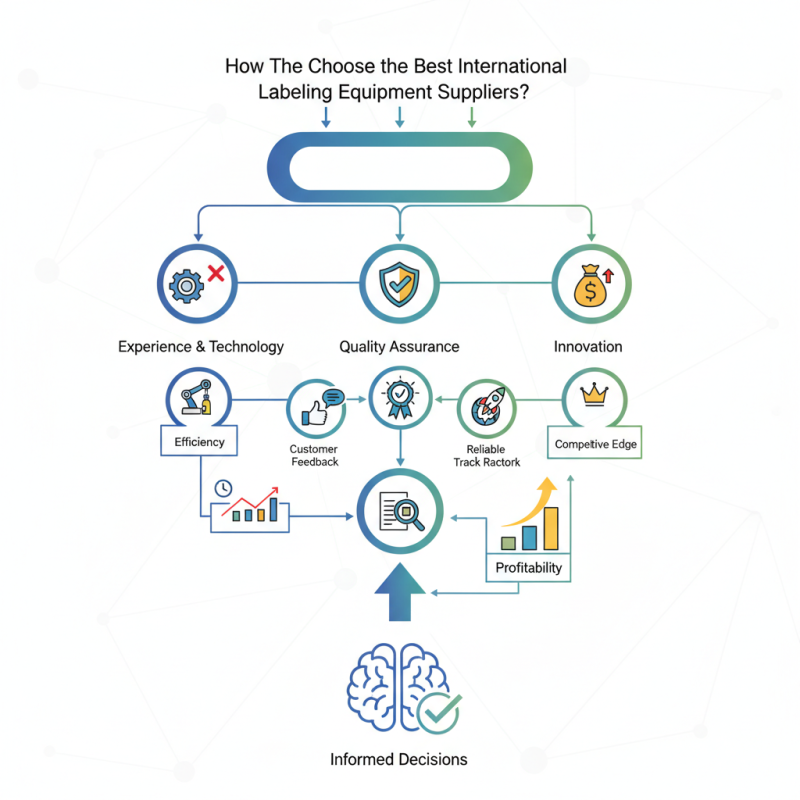
Selecting suppliers involves various factors. It is essential to evaluate their experience and technology. Many leading suppliers offer advanced solutions that reduce labeling errors and improve efficiency. However, not all suppliers meet high standards. Businesses often encounter suppliers with outdated technology.
Quality assurance is vital. Look for suppliers with robust customer feedback and track records. Certifications can provide additional assurance of reliability. Engaging with suppliers who prioritize innovation can keep your operations competitive. Your choice of international labeling equipment suppliers can impact not just efficiency but also overall profitability. Make informed decisions to navigate potential pitfalls in the supplier selection process.
Identifying Key Criteria for Selecting Labeling Equipment Suppliers
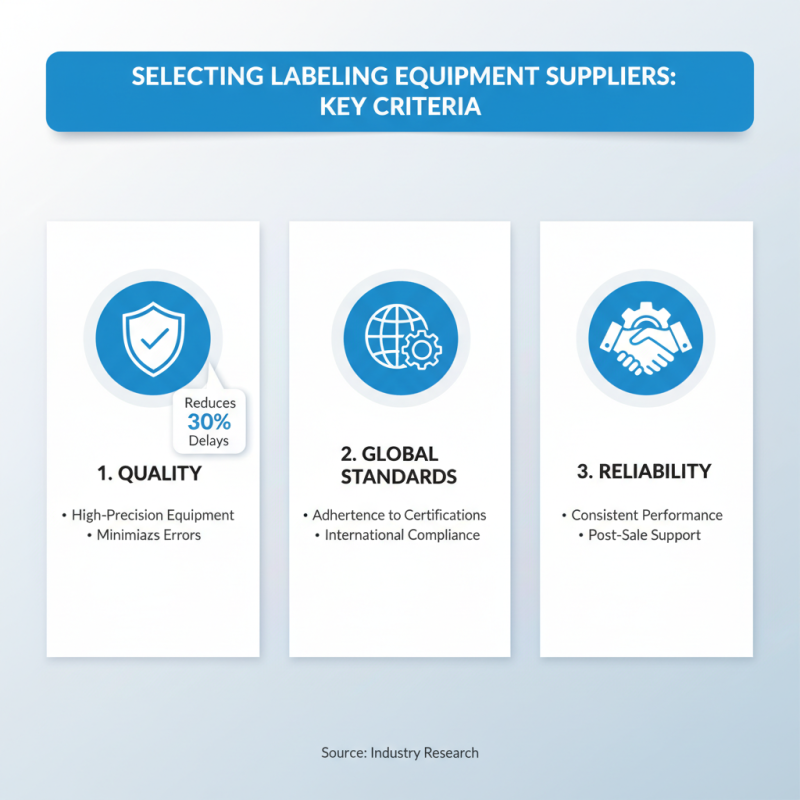
When selecting international labeling equipment suppliers, it’s crucial to focus on specific criteria. Quality is paramount. According to industry research, around 30% of production delays can be attributed to labeling errors. Reliable suppliers reduce these risks. They provide high-precision equipment that minimizes mistakes and adheres to global standards.
Additionally, evaluate the supplier’s experience in your industry. Suppliers with a track record in similar markets understand unique challenges. For instance, pharmaceutical labeling has stricter regulations than food labeling. Suppliers familiar with these nuances can better support compliance. Reports indicate that businesses often face cost increases of 25% when switching suppliers due to regulatory failures.
Customer support is another critical aspect. A survey noted that 70% of companies prioritize ongoing support after equipment installation. Look for suppliers who offer training and responsive service. This can impact your operational efficiency. Recognizing these elements can help avoid costly pitfalls and ensure you make informed decisions.
Understanding Technological Innovations in Labeling Equipment
In today’s fast-paced market, technological innovations in labeling equipment significantly impact efficiency. These advancements include automated labeling systems that streamline operations. Such systems minimize human errors while increasing production speed. An increased focus on user-friendly interfaces allows operators to work with ease.
Recent developments also emphasize sustainability. Many suppliers are now investing in eco-friendly materials for labels. This shift not only supports environmental efforts but also meets consumer demands for sustainable products. Yet, companies must ensure these eco-options remain durable and cost-effective, a delicate balance.
Integration of data analytics into labeling machinery is another noteworthy trend. This technology allows for real-time monitoring of production quality. Insights can highlight potential issues before they escalate, enhancing overall productivity. However, reliance on sophisticated systems raises questions about user training. Companies must prioritize staff education to fully harness these innovations. Embracing technology is crucial, but understanding its challenges is equally important.
How to Choose the Best International Labeling Equipment Suppliers? - Understanding Technological Innovations in Labeling Equipment
| Supplier Type |
Technological Innovation |
Region |
Customer Support |
Price Range |
| Manufacturer |
High-Speed Printing Technology |
North America |
24/7 Support |
$5,000 - $20,000 |
| Distributor |
Eco-Friendly Printing Solutions |
Europe |
Business Hours Support |
$3,000 - $10,000 |
| OEM Supplier |
Automated Label Application |
Asia |
Email Support Only |
$2,000 - $15,000 |
| System Integrator |
Blockchain for Supply Chain Transparency |
Global |
Extended Hours Support |
$10,000 - $50,000 |
Analyzing Cost-Effectiveness and Return on Investment (ROI)
Choosing the right international labeling equipment supplier is crucial for operational efficiency. Analyzing cost-effectiveness and return on investment (ROI) can direct this choice. Businesses often face the dilemma of selecting suppliers based solely on price, which can lead to increased long-term costs. According to a report by Smithers Pira, companies that invest in high-quality labeling equipment experience a 15% increase in production efficiency.
Evaluating the ROI of labeling equipment requires a detailed look. Factors like machine reliability, maintenance costs, and output quality all play a role. Research from the Packaging Machinery Manufacturers Institute (PMMI) indicates that poorly chosen suppliers can lead to equipment downtime, costing businesses up to $500,000 annually. This data highlights the importance of assessing suppliers beyond just upfront costs.
Effectiveness can also differ across various industries. A study by Freedonia Group shows that food and beverage sectors have specific labeling challenges. These can influence ROI metrics significantly. When prioritizing cost-effectiveness, businesses should consider their unique requirements. Additionally, a one-size-fits-all solution may not provide the expected results, leading to potential dissatisfaction and further costs.
Assessing Customer Support and After-Sales Service in Labeling Supply Chains
When choosing international labeling equipment suppliers, customer support and after-sales service are vital. Responsive support can significantly impact your operations. Immediate attention to technical issues minimizes downtime. Suppliers should offer various communication channels. Some prefer email. Others find phone support more effective. Look for suppliers who actively engage during these interactions.
Consider the after-sales service provided. Regular maintenance checks can enhance equipment longevity. Suppliers that offer training sessions demonstrate their commitment to customer satisfaction. Ensure there is a clear process for reporting issues. Transparent communication fosters trust and reliability. Frequent feedback from customers reveals areas needing improvement.
Evaluate the supplier's reputation in after-sales support. Reading reviews can provide insights into their effectiveness. Some suppliers might appear reliable initially but fall short in the long run. Be cautious of those with inconsistent service records. Pay attention to how they handle complaints. Responsiveness can reveal much about a supplier’s dedication to their clients.

 +86 15921716191
 Contact Phone
 Contact Email