How to Choose the Best Label Printing Machine For Small Business?
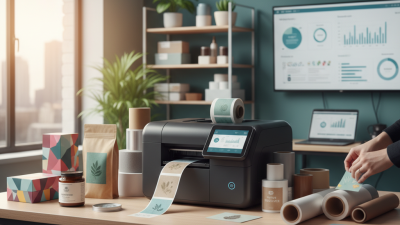
Choosing the right label printing machine for small business is crucial for operational efficiency. A label printing machine can enhance branding and streamline packaging processes. However, selecting the best one can feel overwhelming.
Small business owners often face unique challenges. Limited budgets, space, and varying product needs create complexity. It’s important to consider these factors before purchasing any label printing machine for small business. Some brands may not live up to their promises. Therefore, research is essential.
Explore key features like speed, print quality, and usability. Consider the type of labels you will print. Will the machine handle different materials? This decision impacts your production capability. Ultimately, your choice of a label printing machine for small business could define your brand’s identity. Reflect on your specific needs and make an informed choice.
Understanding Your Label Printing Needs for Small Business
Choosing the right label printing machine starts with understanding your unique needs. Small businesses often face different requirements than larger corporations. Consider the types of labels you will print. Do you need durable, water-resistant labels? Or are you working with paper labels? Identifying the use case is essential.
According to a report by Smithers Pira, the global label market is projected to reach $50 billion by 2025. This makes label printing a critical area for investment. However, many small businesses overlook the costs. Label stock and ink can add up, potentially straining your budget. Be realistic about your printing volume. If you print just a few labels a week, a high-end machine may not be necessary.
Tips: Always evaluate the machine's speed and quality. You wouldn’t want to compromise on label sharpness. Additionally, look for machines that are easy to operate. Complexity can lead to errors and frustrations. Test machines before buying, if possible. Don't just assume one model will fit all your needs. Adjusting to your requirements may take time. Balancing cost and functionality is key. Be prepared for trial and error. Learn what works best for your business over time.
Key Features to Look for in Label Printing Machines
Choosing the right label printing machine for your small business can be challenging. Several key features should guide your decision.
Print speed is essential. A machine that can produce labels quickly can enhance your workflow. Look for options that can print multiple labels in a short time. Efficiency impacts your overall productivity.
Another vital factor is print quality. Crisp and clear labels reflect professionalism. High resolution helps ensure your labels are readable and visually appealing.
Consider machines with adjustable settings for different label sizes and materials. Versatility could save you from purchasing additional equipment later.
Connectivity options are also important. Machines that support wireless printing or USB connections offer flexibility. It’s frustrating when technology complicates simple tasks.
Ease of use is not just a luxury but a necessity. Look for user-friendly interfaces that simplify the printing process. Remember, investing time in research can lead to better outcomes.
Comparing Different Types of Label Printers for Small Enterprises
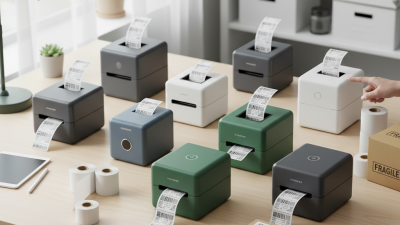
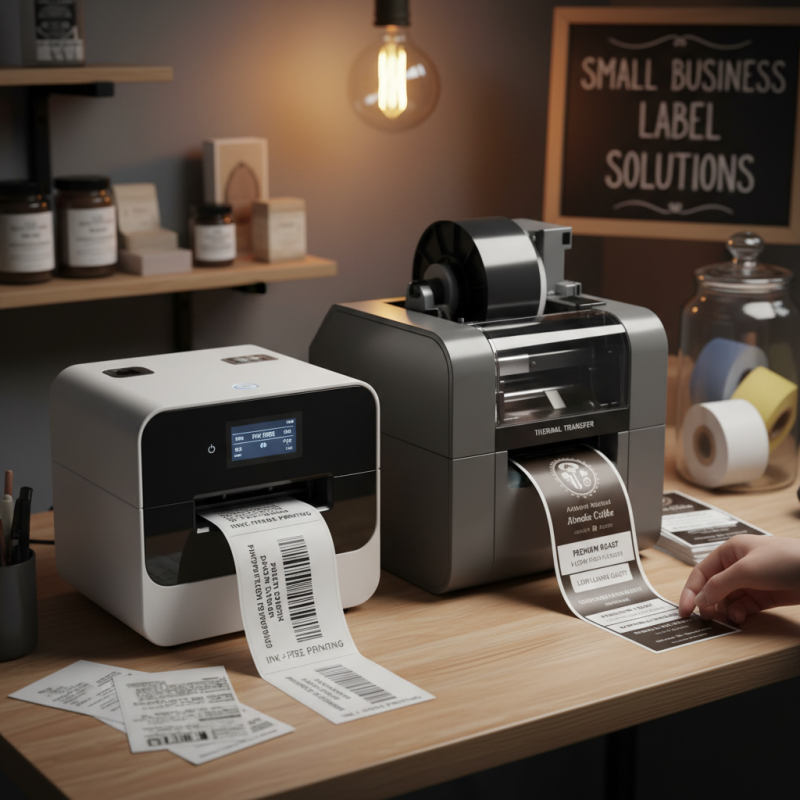
When selecting a label printing machine for a small business, it is essential to consider various printer types. Direct thermal and thermal transfer printers are popular options. Direct thermal printers are easy to use and require no ink. However, labels produced may fade over time. They are ideal for short-term labeling tasks. In contrast, thermal transfer printers offer durability. They use a ribbon for printing, resulting in higher quality labels. According to industry reports, thermal transfer printers account for 35% of the label printer market.
Inkjet and laser printers are also viable choices. Inkjet printers excel in color printing, making them suitable for product packaging. However, they can be costly in terms of ink usage. Laser printers are faster and generally more efficient but may struggle with high-resolution labels. Experts suggest understanding your specific labeling needs before making a decision.
Tips: Evaluate the volume of labels you need. If your business requires a high-output capacity, consider a robust thermal transfer printer. Check the cost-effectiveness of ink or ribbons as well. Always factor in the long-term maintenance costs. Being aware of these aspects can prevent unexpected expenses down the line. Reflecting upon your actual requirements is key to effectively choosing the right printer.
Assessing Budget and Cost-Effectiveness of Label Printers
When choosing a label printing machine for your small business, assessing budget and cost-effectiveness is crucial. Start by determining how much you're willing to invest in a printer. A good range is between $200 and $2,000. Cheaper models may save money upfront but could lead to costly replacements later. Consider how many labels you’ll need each month. High-volume printing might justify a pricier model, making it essential to balance initial costs with long-term benefits.
Maintenance costs are another vital factor. Some printers have lower repair rates, while others may require frequent service. Investigate the replacement costs for ink and labels, too. The price of supplies can impact your overall expenses significantly. Think of the unexpected. A broken part can disrupt production and lead to delays. Budgeting for potential repairs is wise, even if it feels pessimistic.
Lastly, evaluate the features you need. A machine with advanced capabilities may seem appealing, but is it essential? Avoid overspending on unneeded functions. It’s critical to strike a balance between quality and price. Reflect on what your business genuinely requires. Sometimes, simpler options meet your needs perfectly and save money.
Evaluating Customer Reviews and Technical Support Options
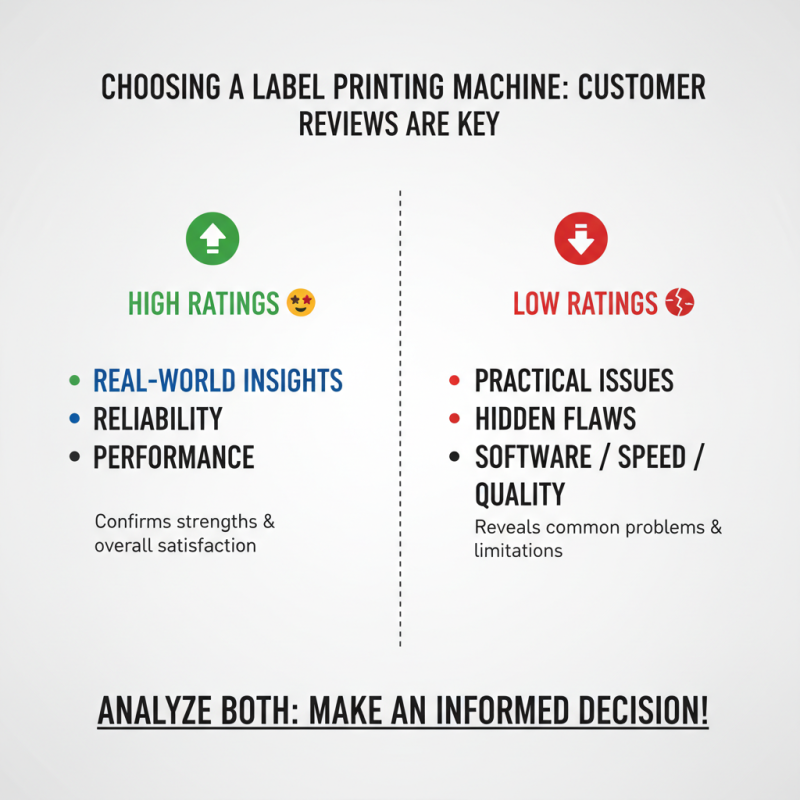
When choosing a label printing machine, evaluating customer reviews is crucial. Reviews provide real-world insights. Look for machines with high ratings but also pay attention to the lower ones. These negative reviews often highlight practical issues. Consider complaints about software usability, speed, or print quality. Sometimes, a well-reviewed machine may have hidden flaws.
Technical support options are equally important. Reliable support can save time and reduce frustration. Check if the manufacturer offers live chat, phone support, or a comprehensive FAQ section. A quick response can make a significant difference. Some companies might have long waiting times during peak hours.
Tips: Always inquire about warranty terms. Understand what’s covered. Reach out to customer service before purchasing. Ask specific questions, like support response times. This helps gauge their efficiency. Finally, join forums or communities. Engage with other users to gather additional insights. These are valuable for making an informed decision.

 +86 15921716191
 Contact Phone
 Contact Email