10 Tips for Choosing Wholesale Automated Label Applicators for Your Business?
In today’s competitive market, businesses are increasingly turning to Wholesale Automated Label Applicators to enhance efficiency. According to a 2022 industry report by Smithers Pira, the global market for automated labeling equipment is projected to grow by 5.2% annually. This growth underscores the importance of selecting the right applicator for your operations.
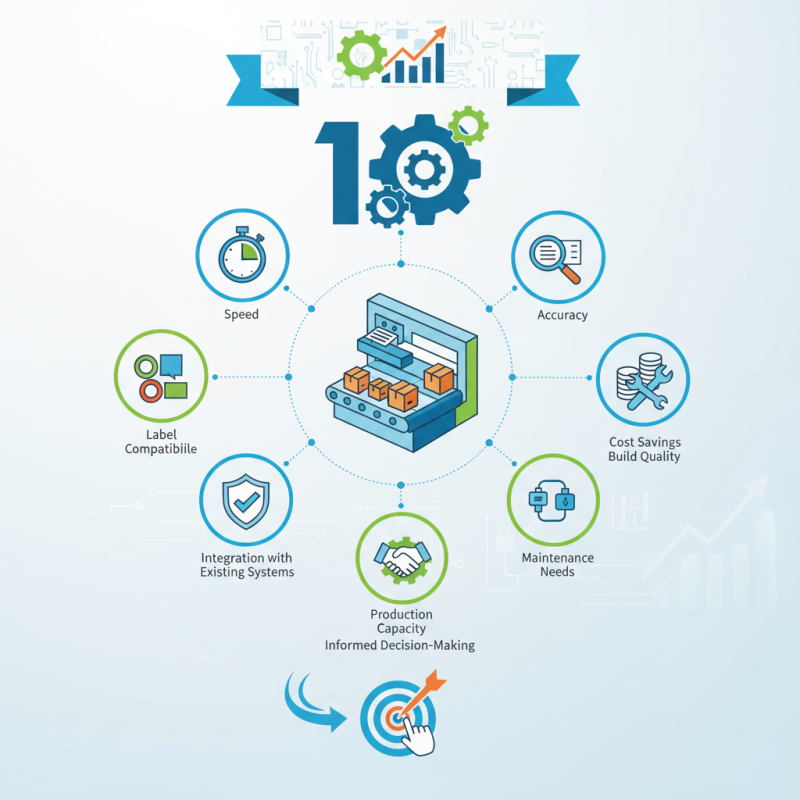
Choosing the optimal wholesale automated label applicator is crucial for cost savings and operational efficiency. With the right equipment, companies can reduce labor costs and meet higher production demands. However, not all options are suitable for every business. Factors such as speed, accuracy, and label compatibility can vary significantly among models, making informed decision-making essential.
Moreover, manufacturers must consider the long-term return on investment. A thorough evaluation of supplier reliability and machine maintenance needs can prevent potential pitfalls. Investing in high-quality wholesale automated label applicators may seem daunting, yet the right choice will yield significant benefits. An informed approach is vital to avoid common mistakes that could impact productivity and profitability.
Understanding Your Business Needs for Label Applicators
Understanding your business needs for label applicators starts with assessing your production volume. A report by Smithers states that industries are moving towards automation to increase efficiency by up to 30%. Evaluating your throughput is crucial. A small business may only need a manual system, while high-volume industries could require advanced automation.
Next, consider the type of products being labeled. The surface texture, size, and shape of your products play a significant role. For instance, round bottles may need rotating applicators, while flat boxes require labelers for flat surfaces. Different environments also impact your choice. If you operate in a humid location, choosing stainless steel machines may be necessary for durability.
Engaging with industry experts can provide insight into common pitfalls. A 2022 survey revealed that 15% of manufacturers regretted their initial label applicator choice due to oversight of the product's specific needs. Understanding these nuances can help minimize costly mistakes. Regularly reviewing label applicator technology trends will also ensure you're not left behind.
Evaluating Different Types of Automated Label Applicators
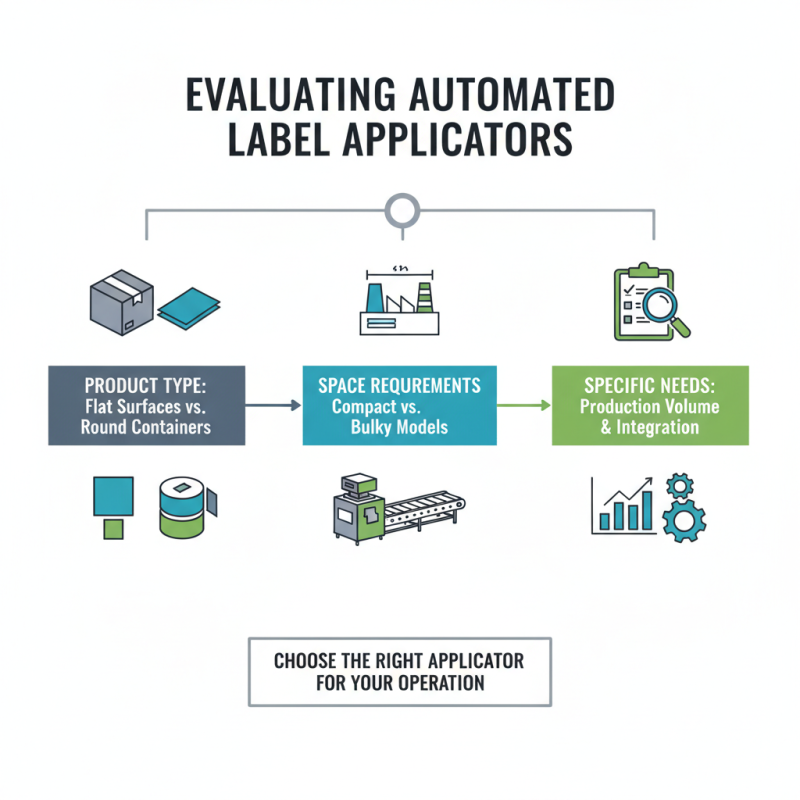
When evaluating different types of automated label applicators, consider your specific needs. Think about the variety of products you package. Some applicators work well on flat surfaces, while others specialize in round containers. Analyze how much space you have for equipment, as some models are bulkier than others.
It's vital to assess the speed and accuracy of each model. A slower machine may frustrate your production line, especially during peak times. However, a fast machine might lead to more errors if it’s not properly calibrated. Look for options that offer easy adjustments. This feature allows you to switch between products seamlessly as your inventory changes.
Also, think about maintenance requirements. Some machines are user-friendly and easy to clean, while others may require professional servicing. A balance between initial cost and long-term maintenance is essential. You may find a cheaper machine, but higher maintenance could lead to higher overall costs. Reflect on your team’s skills too; complex systems may require specialized training.
Key Features to Look for in Wholesale Applicators
When selecting wholesale automated label applicators, understanding key features is crucial. These machines boost productivity and reduce labor costs. According to industry reports, businesses see a 30% increase in efficiency when utilizing automated solutions.
Look for applicators with adjustable speed settings. They offer flexibility based on your production needs. A good range allows for precise application, whether you’re labeling bottles or boxes. Customization is another essential feature. The ability to accommodate various label sizes enhances versatility across different products.
Consider user-friendly controls. Complex interfaces can lead to operational errors and downtime. A simplified layout saves training time and helps workers adapt quickly. Maintenance requirements should not be overlooked. Machines requiring frequent repairs may disrupt workflow. Regular downtime affects the bottom line.
Evaluate the durability of the applicator. Machines that cannot withstand heavy use can lead to frequent replacements. Industry studies indicate that reliable machines can last over ten years with minimal maintenance. In contrast, cheaper options often fall short, leading to increased costs over time.
Comparing Costs: Budgeting for Label Applicators
When budgeting for wholesale automated label applicators, it's crucial to understand both initial costs and long-term savings. Many businesses underestimate the total investment. While the upfront cost may be within budget, ongoing maintenance and consumables can add up. A machine that appears affordable may actually incur higher operational costs in the long run.
Assess all expenses before finalizing your choice.
Consider the features that directly influence costs. Some applicators are designed for high-speed applications, while others focus on precision. This sometimes leads to overspending on features that are not essential for your operations.
Researching user reviews can shine a light on whether those features are truly beneficial. Compare models and focus on your specific labeling needs to avoid unnecessary expenses.
It's advisable to account for future growth too. Will your label applicator adapt to changing demands? A device that meets current requirements may become inadequate as your business expands.
A flexible system may have a higher price tag initially, but it often pays off by meeting evolving needs without needing frequent replacements. Keep these factors in mind to ensure a wise investment.
Researching and Selecting Reliable Suppliers for Your Needs
When selecting a wholesale automated label applicator, supplier reliability is crucial. Start by researching potential suppliers. Check their online presence and reviews. Reliable suppliers usually have positive feedback. Look for industry certifications, as these often indicate quality and adherence to standards.
Consider visiting suppliers’ facilities if possible. This firsthand observation can reveal their production capacity and quality control processes. Ask detailed questions about their machines. Understanding their technology and maintenance support is important for ensuring smooth operations in your business.
Evaluate their pricing structures carefully. Compare different suppliers to find competitive rates, but don’t compromise on quality. Request samples to test the applicators’ performance. Consider their customer service, as responsive support can be a game-changer.
Ultimately, your choice should reflect a balance of cost, quality, and service. Keep your specific needs in mind. Finding the right supplier may take time, but it will pay off in the long run.

 +86 15921716191
 Contact Phone
 Contact Email