How to Export Automated Labeling Solutions Effectively?
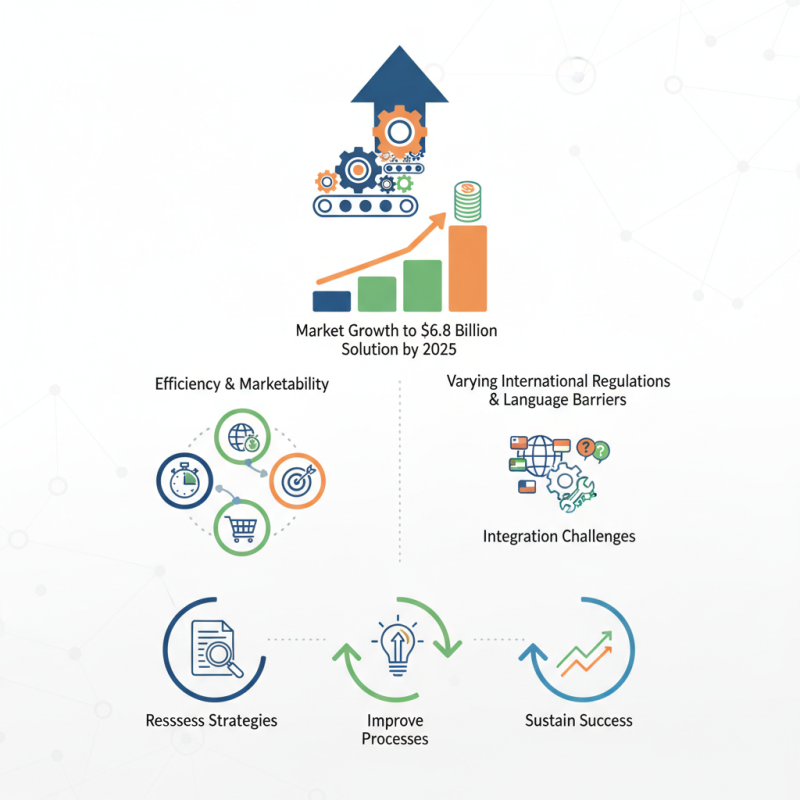
In recent years, the demand for Export Automated Labeling Solutions has surged significantly. According to a report by MarketsandMarkets, the automated labeling market is expected to reach $6.8 billion by 2025, highlighting the importance of efficient labeling in global trade. As industries evolve, businesses must adapt their labeling processes to enhance productivity and ensure compliance.
Industry expert John Smith, known for his work in automation technologies, once stated, "Effective labeling is not just about compliance; it's about efficiency and marketability." This underscores the critical role of automated labeling solutions in today’s competitive market. However, as companies expand their export operations, challenges arise. Issues such as varying international regulations and language barriers complicate the labeling process.
Moreover, many businesses struggle with integrating automated systems into existing workflows. While technology offers solutions, it also requires continuous refinement. The quest for perfect labeling solutions is ongoing. Companies must constantly reassess and improve their strategies to remain relevant. As the market evolves, understanding the nuances of Export Automated Labeling Solutions becomes paramount for success.
Understanding Automated Labeling Solutions in Global Markets
In the context of global markets, automated labeling solutions play a pivotal role. These systems streamline the labeling process, enhancing efficiency across various industries. Businesses leverage automation to reduce errors and improve production speed.
However, not all automated solutions fit every market. Each region has unique labeling regulations and consumer expectations.
A key tip for effective export is understanding local requirements. Always research the specific labeling laws of the target market. This includes language, symbols, and safety information. Failure to comply can lead to costly fines. Regularly update your knowledge, as regulations often change.
Another consideration is the flexibility of your labeling system. Choose solutions that adapt to different products and markets. It’s crucial that your labeling process can evolve with customer needs. For example, incorporating QR codes or digital labels may enhance engagement.
Sometimes, the automated process may encounter glitches. It’s essential to have a backup plan when technology fails. Regular audits can help identify these issues before they escalate. Ultimately, a proactive approach aids in navigating the complexities of the global labeling landscape.
Key Considerations for Exporting Labeling Technologies
Exporting labeling technologies requires careful planning and consideration. Companies must understand the specific needs of their target markets. According to a recent industry report, 70% of companies face challenges in adapting their products for different regions. This knowledge gap can lead to major setbacks. Key factors include compliance with local regulations, language barriers, and cultural differences.
Localization is crucial. Companies should ensure that labels not only comply with regulations but also resonate with local consumers. Reports indicate that products tailored to local preferences can see up to a 30% increase in sales. For instance, color meanings vary significantly across cultures. Missteps here can alienate potential customers.
Finally, effective communication is essential. Over 40% of exporters report difficulties in collaborating with local partners. Without clear dialogue, misunderstandings can derail projects. Investing in strong relationships and feedback mechanisms can help bridge these gaps. Regular assessments of product performance and market response should not be overlooked. This reflective practice can significantly enhance future export strategies.
Compliance Standards and Regulations for Labeling Exports
When exporting automated labeling solutions, compliance with various standards is critical. Each region has unique regulations affecting labeling requirements. The International Organization for Standardization (ISO) outlines essential practices, stating that compliance can reduce product recalls by up to 30%. This emphasizes the importance of understanding local laws.
Labeling must meet environmental and safety guidelines. Countries often have specific labeling mandates. For example, the European Union requires compliance with REACH (Registration, Evaluation, Authorization, and Restriction of Chemicals). Failing to comply can lead to fines and reputational damage. Understanding these regulations is vital for successful exports.
Tips: Always review regulations before exporting. Involve legal experts. Update labels according to local laws. Stay informed about changes in compliance standards. Engage in regular audits to ensure adherence.
Additionally, incorporating language accessibility can enhance compliance. Labels should be easy to read and understand. This may seem simple, yet inadequate communication can lead to violations. Consider testing labels with focus groups to identify potential issues.
Market Trends: Growth of Automated Labeling in Key Industries
Automated labeling solutions are experiencing significant growth across various industries. The demand is driven by the need for efficiency and accuracy. Businesses are seeking ways to optimize their labeling processes without sacrificing quality. Industries such as food and beverage, pharmaceuticals, and logistics are at the forefront of this trend.
In the food industry, labeling automation is vital due to strict regulations. Products must display accurate information about ingredients and nutrition. Automated systems streamline this process but can sometimes mislabel items. A simple error can lead to recalls, impacting brand reputation. It highlights the challenge of balancing speed and accuracy.
Pharmaceutical companies also benefit from automated labeling. They need to ensure every product is compliant and safe. However, technical glitches can lead to improperly labeled medications. This raises concerns about patient safety. Continuous improvement and regular audits are necessary to minimize these risks. Each industry must reflect on its unique challenges while embracing automation.
Best Practices for Marketing and Selling Automated Labeling Solutions
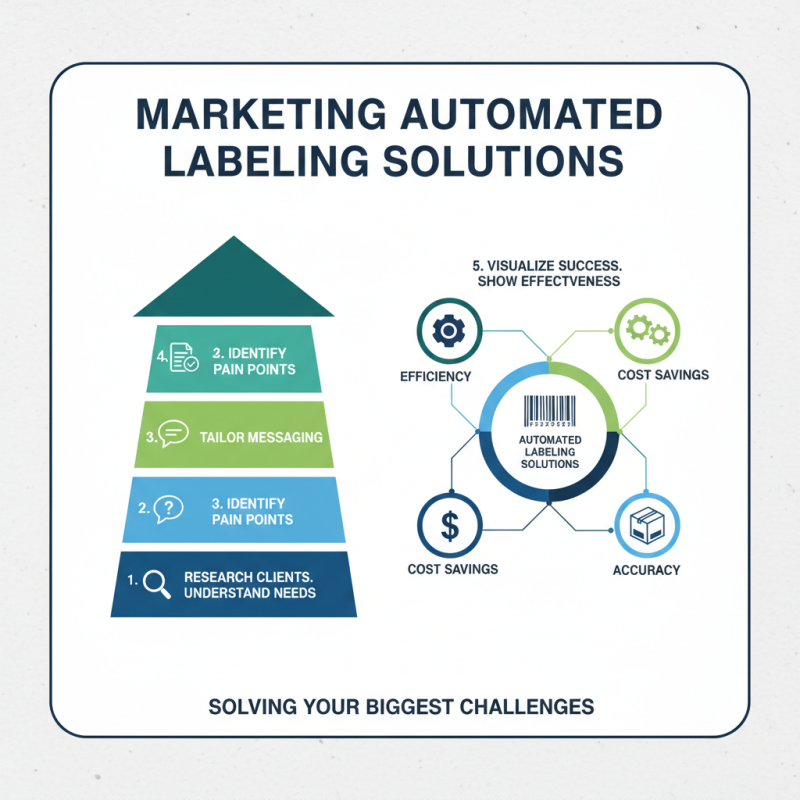
When marketing automated labeling solutions, focus on understanding customer needs. Research potential clients thoroughly. Know their pain points. Tailor your messaging to address specific issues they face. Create case studies that showcase how your solutions have solved similar challenges. Visual examples can be powerful. Use them to illustrate effectiveness.
Utilize social media to engage with your audience. Share informative content that educates potential customers. However, don’t just promote. Foster discussions. Encourage feedback and questions. This two-way communication can reveal insights into their preferences. Your marketing strategy should evolve based on this input. Avoid sticking rigidly to old methods. Being adaptable is key.
Reflect on the selling process. Are your sales reps effectively communicating the benefits? Regular training can improve their skills. Furthermore, consider how your outreach feels to the customer. It should be authentic, not just a sales pitch. Building trust takes time. Transparency and honesty in your approach can make a difference. Remember, not every strategy will work perfectly. Be willing to reevaluate and adjust as needed.

 +86 15921716191
 Contact Phone
 Contact Email