Multilingual Labeling Solutions Tips for Improving Global Communication Efficiency
In today’s increasingly interconnected world, the importance of effective communication across different languages cannot be overstated. Multilingual Labeling Solutions provide a vital framework for businesses aiming to enhance their global reach and ensure that their products resonate with diverse audiences. According to Dr. Emily Roberts, an esteemed expert in linguistic communication, "Effective multilingual labeling is not just about translation; it’s about crafting a message that speaks directly to the heart of each culture." This insight underscores the significance of not only translating words but also localizing content to align with cultural nuances.
As companies expand their operations internationally, the need for tailored communication strategies becomes paramount. Multilingual Labeling Solutions offer businesses the tools to navigate linguistic barriers, streamline operations, and ultimately improve global communication efficiency. By implementing these solutions, organizations can foster inclusivity and accessibility, ensuring that all customers, regardless of their native language, receive information in a manner that is clear and culturally relevant.
In light of these considerations, this article will explore practical tips for enhancing the effectiveness of multilingual labeling systems. Through the lens of industry best practices, companies can better harness the power of language to connect with their audience, drive engagement, and support their global branding efforts.

Understanding the Importance of Multilingual Labeling in Global Business
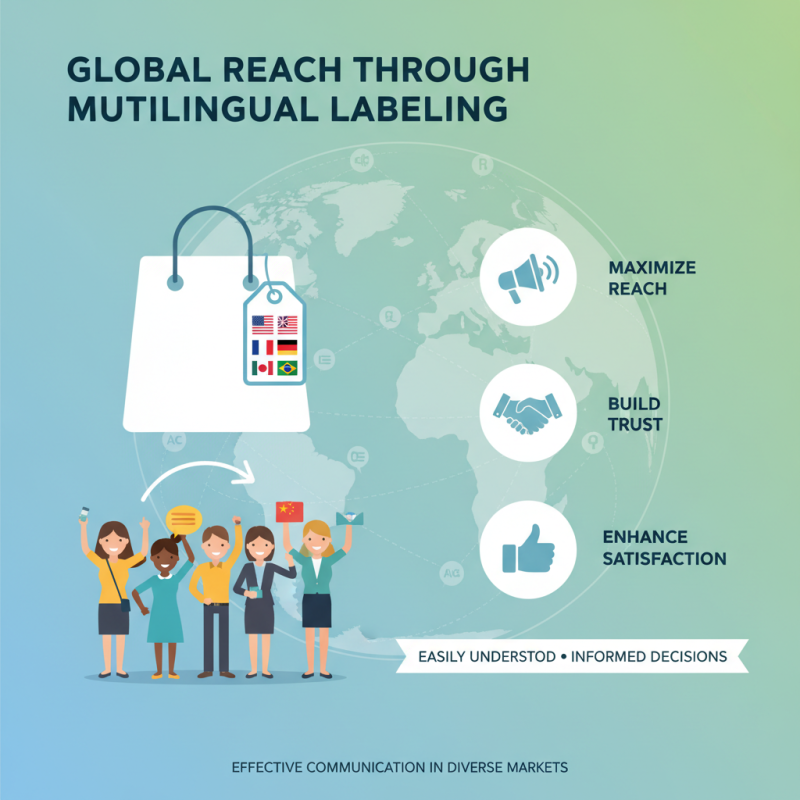
In today's globalized marketplace, the importance of multilingual labeling cannot be overstated. Effective communication is crucial for businesses aiming to reach diverse audiences across various regions. Multilingual labeling plays a vital role in ensuring that products are easily understood and that consumers can confidently make informed decisions. By providing labels in multiple languages, businesses not only maximize their reach but also build trust and enhance customer satisfaction.
To improve global communication efficiency, businesses should consider these tips for multilingual labeling. Firstly, conducting thorough research on the target markets’ language preferences and cultural nuances can help avoid misunderstandings and ensure that the messaging resonates with the local audience. Secondly, utilizing professional translation services can guarantee that the product labels maintain accuracy and context, as automated translations may sometimes lead to inaccuracies that could misrepresent the product. Lastly, incorporating visual elements alongside text can transcend language barriers, making products appealing and understandable to a broader customer base.
Overall, embracing multilingual labeling is more than just a necessity; it is a strategic advantage in fostering inclusive global communication, enabling businesses to connect more profoundly with their consumers. By prioritizing this aspect of product labeling, companies can pave the way for greater international collaboration and growth.
Key Strategies for Effective Multilingual Labeling Implementation
Effective multilingual labeling is essential for enhancing global communication. One key strategy is to prioritize cultural relevance over mere translation. Understanding the cultural nuances of the target audience ensures that labels resonate with them, avoiding misinterpretations that could arise from direct translations. For instance, colors and symbols that are acceptable in one culture may have negative connotations in another. By conducting thorough market research and engaging with native speakers, organizations can create labels that not only communicate the intended message but also align with local customs and values.
Another important strategy is to utilize technology in the labeling process. Digital solutions, such as automated translation tools and content management systems, streamline the workflow, allowing for quicker updates and consistency across various languages. However, while technology can aid in efficiency, it’s crucial to have human oversight to ensure accuracy and context appropriateness. Collaborating with professional linguists and cultural consultants can enhance the quality of the labels, ensuring they meet both linguistic and market-specific needs. Balancing technology and human expertise is vital for effective multilingual labeling implementation, ultimately improving global communication efficiency.
Choosing the Right Technology for Multilingual Labeling Solutions
When it comes to enhancing global communication efficiency, choosing the right technology for multilingual labeling solutions is critical. Various technologies can facilitate effective communication across different languages, ensuring that your labeling is precise and culturally relevant. From translation management systems to machine learning algorithms, the right technology can streamline the process, enabling faster and more accurate label creation for diverse markets.
One of the essential tips for selecting the appropriate technology is to assess the scalability of the solution. Your business may expand to include new markets and languages, so investing in a scalable technology platform that can grow with your needs is crucial. Additionally, consider solutions that offer integration capabilities with your existing systems, as this can enhance workflow efficiency and reduce the likelihood of errors in labeling.
Another important factor is the technology's ability to support various file formats and languages. The flexibility to manage diverse content types ensures that your labeling projects remain consistent and coherent, regardless of language. Moreover, look for features that facilitate collaboration among teams, as this will enhance user input and improve the overall quality of your multilingual labels.
Multilingual Labeling Solutions Tips for Improving Global Communication Efficiency
| Language |
Technology Solution |
Efficiency Improvement |
Cost Reduction (%) |
Implementation Time (Weeks) |
| Spanish |
Cloud-based Localization |
30% |
15% |
4 |
| Chinese |
AI Translation Tools |
40% |
20% |
6 |
| French |
Human Translation Networks |
25% |
10% |
5 |
| German |
Translation Management System |
35% |
18% |
3 |
| Japanese |
Machine Translation with Post-editing |
50% |
25% |
8 |
Best Practices for Ensuring Accuracy in Translations and Labels
In today’s global marketplace, effective communication is paramount, making
accurate translations and labeling crucial for businesses targeting multilingual audiences.
To ensure precision, it is essential to implement best practices that span the entire translation process.
First, engaging professional translators who are native speakers of the target language can significantly enhance the quality of translations.
These experts not only grasp the language nuances but also understand cultural contexts, which can prevent misunderstandings and inaccuracies.
Another best practice involves using technology wisely.
Leveraging translation management systems can streamline the workflow, making it easier to maintain consistency across all materials.
Additionally, utilizing terminology management tools helps ensure that specific terms are uniformly translated,
which is vital for brand image and clarity of information.
Regularly updating these databases with industry-specific terminology can further improve accuracy and relevance in communications.
By prioritizing these strategies, businesses can enhance their global communication efficiency,
ensuring that every message is clearly understood and appropriately conveyed across diverse markets.
Measuring the Impact of Multilingual Labeling on Communication Efficiency
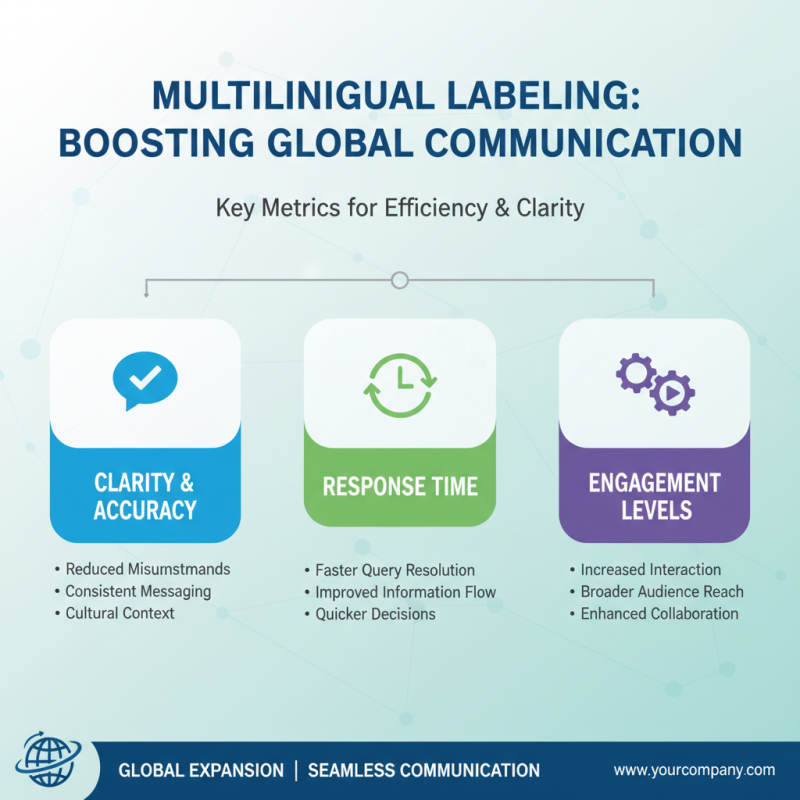
Effective communication in a multilingual environment is vital for organizations aiming to expand their global reach. To measure the impact of multilingual labeling on communication efficiency, it's essential to assess various metrics such as clarity, response time, and engagement levels. Clear labeling in multiple languages can significantly reduce misunderstandings, ensuring that messages are conveyed accurately across diverse cultural contexts. Organizations must track the time taken for teams to respond to queries in different languages, as improved labeling often leads to quicker responses and enhances overall communication flow.
Additionally, the effectiveness of multilingual labeling can be evaluated through user feedback and engagement analysis. By collecting data on how well different language labels resonate with audiences, companies can fine-tune their messaging to better suit specific demographics. This feedback loop not only allows for improved communication strategies but also reinforces cultural sensitivity. Ultimately, by systematically measuring these factors, organizations can understand the profound impact effective multilingual labeling has on their overall communication efficiency and, in turn, their global operations.

 +86 15921716191
 Contact Phone
 Contact Email