Why Is Packaging and Labeling Automation Essential for Modern Businesses?
In today's fast-paced business landscape, the importance of efficiency and accuracy cannot be overstated. As companies strive to meet the ever-growing demands of consumers, they pivot towards innovative solutions that enhance their operational workflows. One such solution that has emerged as vital for modern enterprises is Packaging and Labeling Automation. This technology not only streamlines the packaging process, ensuring products are prepared quickly and with minimal errors, but it also enhances compliance with industry standards and regulations.
The adoption of Packaging and Labeling Automation offers numerous benefits, including cost savings, improved productivity, and greater flexibility in response to market changes. Businesses can significantly reduce manual labor time by utilizing automated systems, leading to quicker turnaround times and enabling them to allocate resources more effectively. Furthermore, automation ensures consistent quality and accuracy in labeling, which is critical in maintaining brand integrity and customer trust.
As competition intensifies and consumer preferences shift, organizations must embrace Packaging and Labeling Automation to remain relevant and efficient. By integrating these advanced systems, businesses can not only improve their operational capabilities but also enhance their overall customer experience, paving the way for sustainable growth in an increasingly challenging market environment.
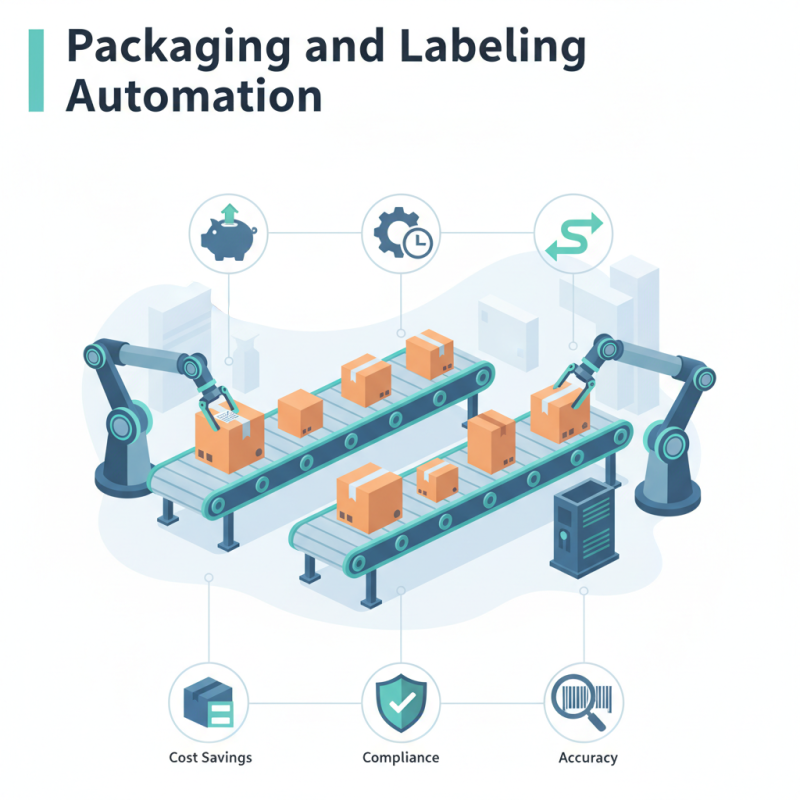
The Role of Automation in Streamlining Packaging Processes
Automation has become a transformative force in packaging processes, enabling businesses to enhance efficiency and reduce operational costs. By integrating automated systems, companies can streamline their packaging workflows, minimizing manual interventions that often lead to delays and errors. The use of advanced machinery not only speeds up the packaging operation but also ensures consistent quality. Automated labeling systems, for instance, accurately apply labels at high speeds, reducing the risk of mislabeling and enhancing compliance with industry regulations.
Furthermore, the implementation of automation in packaging provides real-time data and analytics, allowing businesses to monitor performance and make informed decisions. This insightful data helps in optimizing inventory management and predicting demand trends, ultimately leading to better resource allocation. By utilizing smart technology, companies can also achieve greater flexibility, accommodating changes in production volume or packaging design without significant downtime. Overall, automation in packaging processes is essential for modern businesses seeking to maintain a competitive edge in a rapidly evolving market.
Why Is Packaging and Labeling Automation Essential for Modern Businesses? - The Role of Automation in Streamlining Packaging Processes
| Dimension |
Value |
| Increase in Efficiency |
30% Reduction in Packaging Time |
| Cost Savings |
20% Decrease in Labor Costs |
| Error Reduction |
15% Fewer Packaging Errors |
| Production Speed |
Increased by 25% with Automation |
| Scalability |
Ability to Scale Operations by 50% |
| Customer Satisfaction |
Improved by 40% Due to Efficient Processes |
Benefits of Automated Labeling for Efficiency and Accuracy
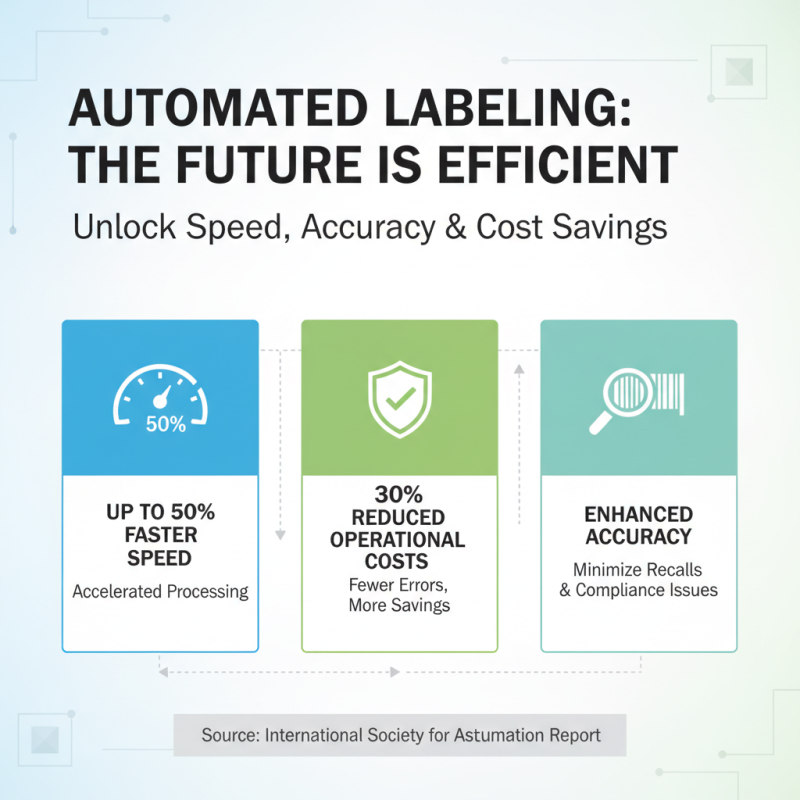
Automated labeling has become a cornerstone for enhancing operational efficiency and accuracy in modern businesses. Recent studies highlight that automation can increase labeling speed by up to 50%, significantly reducing the time required for manual processes. According to a report by the International Society for Automation, companies that implement automated labeling systems can experience up to a 30% reduction in operational costs attributed to faster processing times and fewer human errors. The precision of machine-driven labeling minimizes the risk of mislabeling, which can lead to costly product recalls and compliance issues—challenges that many businesses face today.
Furthermore, the adoption of automated labeling contributes to improved data accuracy and traceability. A survey by the Association for Packaging and Processing Technologies indicates that businesses utilizing automated labeling technologies have reported a 40% increase in inventory accuracy. This advancement not only fosters better inventory management but also enhances customer satisfaction by ensuring that products are correctly labeled and delivered. As regulations become increasingly stringent, automating the labeling process provides a robust foundation for compliance, allowing businesses to maintain stringent quality control without extensive manual oversight. Overall, investing in automated labeling systems stands to benefit organizations significantly while streamlining their operational workflows.
Impact of Packaging Automation on Supply Chain Management
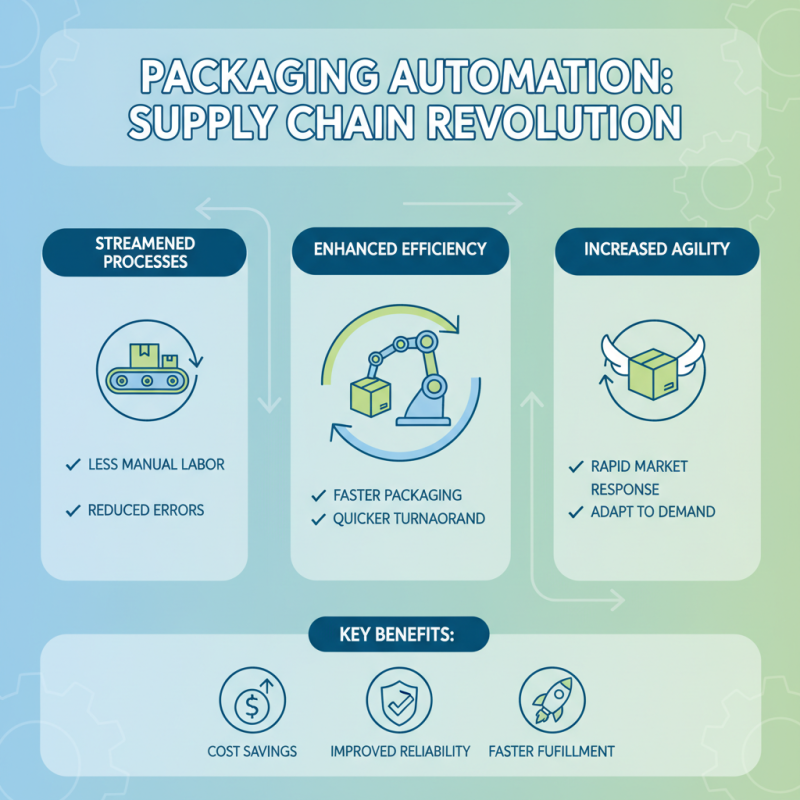
The impact of packaging automation on supply chain management is profound, streamlining processes and enhancing efficiency. Automated packaging systems minimize manual labor, reduce errors, and accelerate the packaging process, leading to quicker turnaround times. As a result, businesses can respond faster to market demands and adapt to fluctuations in consumer preferences. This agility is crucial in today's fast-paced market, where delays can lead to lost opportunities and revenue.
Tips: Embrace versatile packaging solutions that can adapt to different products. This flexibility can save time and resources, allowing businesses to pivot quickly in response to new trends.
Moreover, the integration of automated packaging technology into supply chains facilitates better inventory management. With real-time data analytics and tracking capabilities, businesses can gain insights into their stock levels and packaging efficiency. This enhances transparency and enables informed decision-making, reducing waste and optimizing resource allocation.
Tips: Invest in software that integrates with your existing systems to ensure smooth data flow between packaging operations and inventory management. This connectivity is essential for maximizing operational efficiency.
Challenges and Solutions in Implementing Packaging Automation
Implementing packaging automation can bring significant efficiencies to modern businesses, but it also presents several challenges. A report by PMMI indicates that over 60% of manufacturers highlighted integration with existing systems as a primary hurdle in adopting automation technologies. This challenge often stems from outdated machinery and processes that lack compatibility with new automated systems, which can lead to increased costs and prolonged setup times. In addition, the skilled labor shortage highlights another obstacle; companies may struggle to find personnel who are equipped to manage and maintain advanced automated packaging solutions.
To address these challenges, solutions such as phased implementation and employee training programs are vital. Industry research suggests that businesses opting for a step-by-step integration of automation see a 30% improvement in productivity within the first year of implementation. Moreover, investing in comprehensive training for existing employees not only alleviates concerns regarding the skill gap but also enhances employee morale and retention. By fostering an environment of continuous learning, companies can ensure that their teams are well-prepared to leverage the benefits of automation effectively.
Future Trends in Packaging and Labeling Automation Technology
The future trends in packaging and labeling automation technology are poised to revolutionize how modern businesses operate. One significant trend is the integration of advanced robotics and artificial intelligence, which enhances the precision and efficiency of packaging processes. These technologies are capable of adapting to varying production scales and complexities, allowing companies to automate repetitive tasks while minimizing human error. Additionally, AI-driven systems can optimize real-time adjustments in packaging formats, leading to improved resource management and reduced waste.
Another notable trend is the increasing adoption of smart packaging solutions. This includes the use of QR codes and NFC technology that enable consumers to access detailed product information directly from their mobile devices. Such interactive labeling not only engages customers but also fosters transparency in supply chains. Furthermore, the rise of eco-friendly packaging materials is driving innovation, as companies seek sustainable options that align with environmental standards and consumer demands. The convergence of these technologies promises not only to streamline operations but also to enhance the user experience, positioning businesses for future growth in a competitive market.
Growth in Packaging and Labeling Automation Adoption (2018 - 2023)
This bar chart illustrates the increasing adoption rate of packaging and labeling automation technologies among modern businesses from 2018 to 2023. As companies strive for efficiency and accuracy, the trend shows a significant rise in the utilization of automation within this sector.

 +86 15921716191
 Contact Phone
 Contact Email