Top 10 Tips for Designing Labels For Bottles Effectively?
Designing Labels For Bottles is a crucial aspect of product marketing. Effective labels can attract consumers and enhance brand recognition. The right design communicates key information about the product. It can influence buying decisions. Labels should be visually appealing and informative.
Color choices, typography, and images play significant roles. Consumers often make snap judgments based on label design. Therefore, clarity and simplicity are essential. Overly complex designs may confuse potential buyers. Labels must reflect the brand's identity effectively.
However, it’s not just about aesthetics. Compliance with regulations is vital. Labels must include necessary information like ingredients and warnings. Neglecting these details can lead to issues. Balancing creativity with practicality is a challenge. Ultimately, effective label design requires careful thought and experience.
Understanding the Importance of Label Design for Bottles
Label design holds significant importance for bottles. Effective labels can make or break a product's market success. They convey vital information. This includes ingredients, usage instructions, and branding details. Eye-catching designs attract customers, guiding their purchasing decisions. However, poor design can lead to confusion and mistrust.
It's crucial to consider the target audience when creating labels. Aesthetic choices should resonate with potential buyers. For instance, a minimalist design can suggest sophistication, while bold colors may evoke excitement. Yet, balancing creativity with clarity is essential. Labels must be legible and informative. Overcomplicating a design can backfire, causing potential customers to overlook a product altogether.
Furthermore, consistency across label designs is vital for brand recognition. Consumers appreciate familiarity. A cohesive look can foster trust and loyalty. However, it's necessary to remain flexible. Trends change, and labels may need refreshing. Feedback from consumers can help identify when a design feels outdated or unclear. Reflect on design choices regularly to ensure they align with current market preferences. This practice can prevent stagnation and enhance the overall effectiveness of your labels.
Identifying Your Target Audience for Effective Label Communication
Identifying your target audience is crucial for effective label communication. Knowing who will purchase and use your product shapes your design decisions. For instance, younger consumers may prefer bold colors and modern typography. In contrast, older demographics often gravitate towards classic styles and legible fonts. This distinction influences everything from color choices to material selection.
Research is essential. Conduct surveys or focus groups to gather data on preferences. Analyze competitor labels to identify industry trends. This information can provide insight into what resonates with your potential customers. However, it's important to avoid making assumptions without facts. A design that appeals to one group might alienate another.
Testing prototypes is valuable. Gather feedback on initial designs. What works well? What needs improvement? Iterative testing helps refine your label before final production. Don't shy away from criticism. Embrace it; it will lead you to a more effective label. Always be open to change, as consumer preferences can shift rapidly. Engaging your audience ensures your labels effectively communicate your brand values while attracting the right customers.
Choosing the Right Materials and Finishes for Bottle Labels
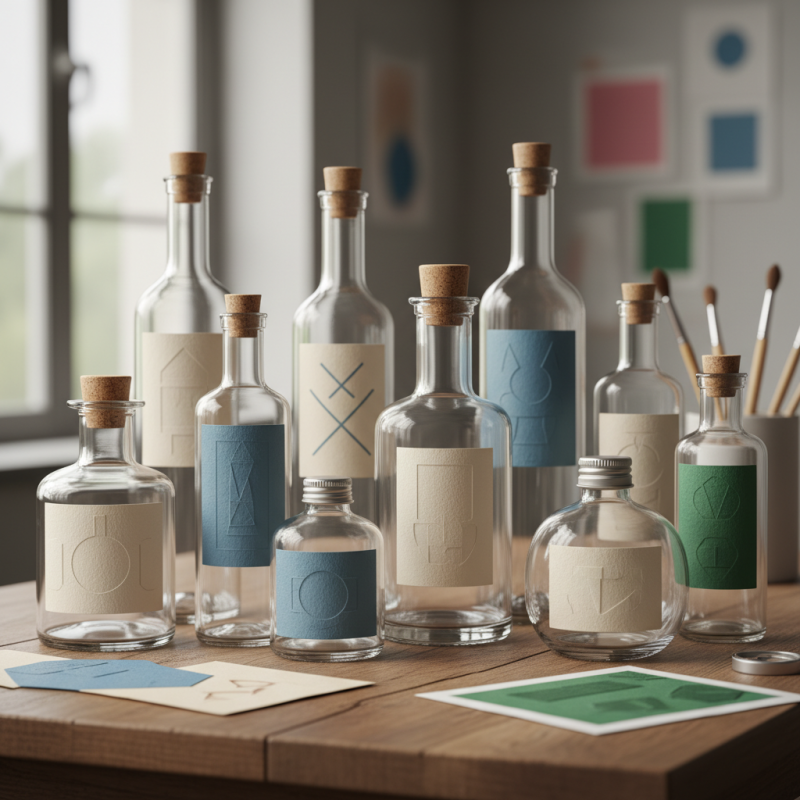
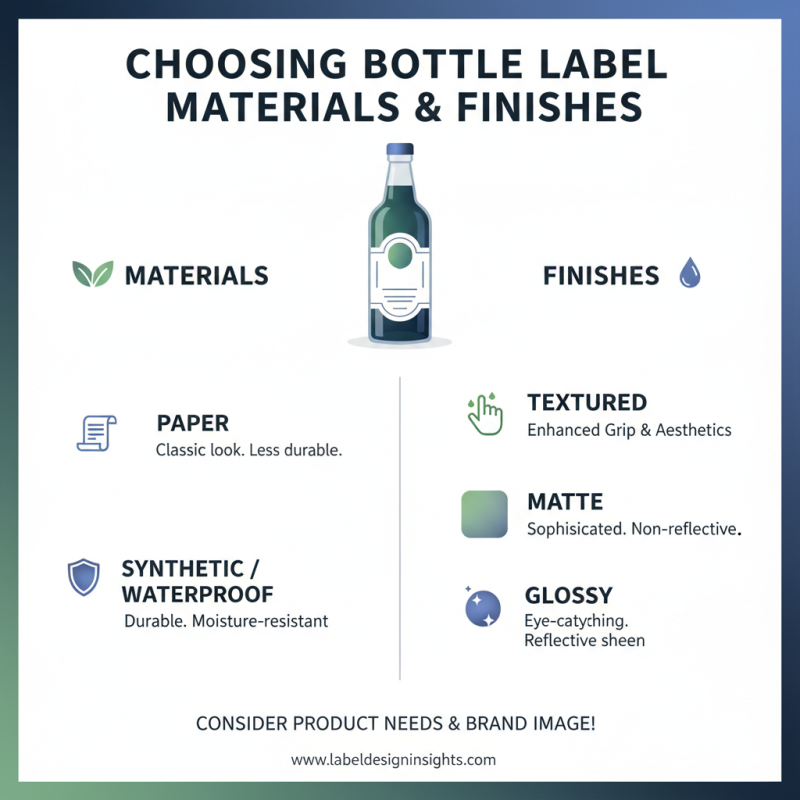
When designing labels for bottles, selecting the right materials is crucial. The choice of paper or synthetic material can greatly impact durability. Waterproof labels can prevent damage from moisture. Consider textured finishes to enhance grip and aesthetics. Matte surfaces can give a sophisticated look, while glossy finishes attract attention. Each option has its benefits, so reflect on your product's needs.
Moreover, the weight of the label matters. Lightweight options may reduce shipping costs but can feel less premium. Heavyweight materials often convey quality but can increase production expenses. Think about how the label feels in your customer's hand. A flimsy label might not evoke trust.
Adhesive strength is another key aspect. A strong adhesive keeps the label intact during handling. If it peels or wrinkles, it can harm your brand image. The finish and ink also interact differently, influencing the overall look. Test samples before full production. Sometimes, the initial concept may not align with the final product’s appearance. Stay open to adjustments. The right choices will elevate your labels, making them both eye-catching and functional.
Incorporating Brand Identity into Your Label Design
Creating effective labels for bottles requires a deep integration of brand identity. A strong label tells a story. It showcases who you are and what you stand for. Think about color, typography, and imagery. Each element should reflect your brand's personality. For instance, vibrant colors can evoke excitement, while softer tones might suggest calmness.
Imagery plays a vital role in label design. It should resonate with your target audience. A well-chosen image can communicate your message instantly. Avoid generic visuals that lack character. They dilute your brand identity. Also, consider the shape and size of your labels. Unique shapes can attract attention but must still align with your brand story.
Brand consistency is crucial. Every label should feel like part of a bigger narrative. Inconsistencies can confuse your customers. Reflect on previous designs and customer feedback. Assess what resonates and what doesn’t. This process might reveal flaws in your approach. Make iterative changes to improve. Ultimately, a well-designed label does more than inform. It builds a connection, inviting customers to engage with your brand.
Ensuring Compliance with Regulatory Requirements for Labeling
When designing labels for bottles, ensuring compliance with regulatory requirements is crucial. Different regions have specific labeling laws that must be followed. For example, nutritional information, ingredients, and safety warnings may all need to be clearly displayed. Failure to comply can lead to hefty fines or product recalls. Understanding these requirements is key to successful label design.
Tip: Research the regulations in your target market. Check for guidelines on font sizes, contrast, and colors. These elements often influence legibility and compliance. Ensure that all mandatory information is not only included but also easy to read.
Another important aspect is testing your labels. Once designed, print them and apply them to bottles. This helps to catch any potential issues. It allows for adjustments before mass production. It's also advisable to gather feedback from potential customers. What do they think of the clarity of the information? Such reflections can offer valuable insights.
Tip: Keep labels simple and consistent. Overloading a label with too much information can confuse consumers. Focus on clarity, ensuring that critical details shine. Balance is essential. Awareness of this aspect can lead to a better overall design.

 +86 15921716191
 Contact Phone
 Contact Email