+86 15921716191


In the fast-paced world of retail, efficiently labeling products is crucial for maintaining an organized inventory and providing clear pricing for customers. According to John Smith, an industry expert and consultant on pricing solutions, "A well-utilized Manual Price Labelling Machine can drastically enhance a store's operational efficiency and customer experience." With the right techniques, retail staff can maximize the potential of these tools, ensuring that they not only streamline the labeling process but also contribute to better customer satisfaction.
Whether you are a small business owner or part of a larger retail chain, understanding how to use a Manual Price Labelling Machine effectively can lead to significant improvements in your pricing strategy. By implementing best practices, you can avoid common pitfalls, reduce errors, and ensure that your product pricing is both accurate and appealing. This article will explore the top ten tips that can help you harness the full potential of your Manual Price Labelling Machine, ultimately driving success in your business operations.

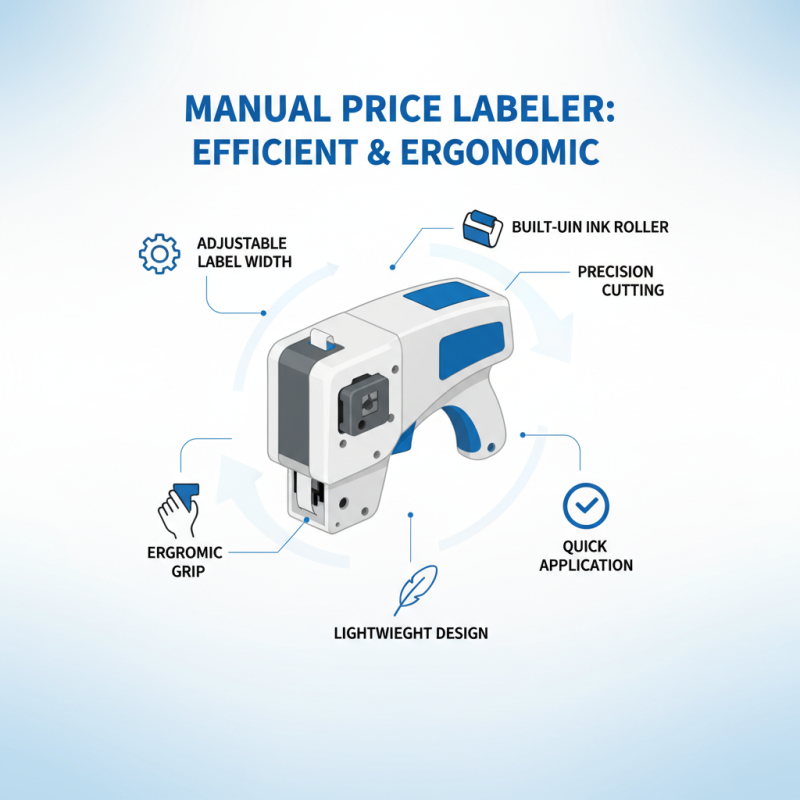
Manual price labelling machines are essential tools for businesses looking to streamline their pricing processes. These devices typically feature a simple design that allows users to apply labels quickly and efficiently. Key characteristics include an adjustable label width, a built-in ink roller, and a precision cutting mechanism that ensures clean and accurate label application. The ergonomic handle design ensures comfort during prolonged use, minimizing strain on the hands. Additionally, many models come with a lightweight construction, making them easy to carry around the store or warehouse.
The benefits of using a manual price labelling machine go beyond just efficiency. One significant advantage is the flexibility they offer in pricing strategies. Businesses can easily change prices on the go without the need for an electronic system, allowing for dynamic pricing based on market conditions. Furthermore, these machines require minimal maintenance and are often more cost-effective than automated alternatives. By facilitating quick label changes and ensuring clear visibility of prices, manual price labelling machines play a pivotal role in enhancing customer service and boosting sales.
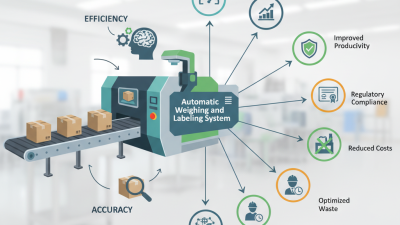
When using a manual price labelling machine, accuracy in price tag application and adhesion is crucial for maintaining a professional appearance in retail environments. To ensure that the labels are applied correctly, it is important to first align the price tag so that it is visible and legible from a customer’s perspective.
Hold the label at a slight angle while applying it to avoid wrinkles and bubbles, which can detract from the overall presentation. This technique not only makes the pricing information easier to read but also enhances the aesthetic appeal of the product.
Adhesion is equally important when it comes to the longevity of price tags. Before applying a label, make sure the surface of the product is clean and dry, as any dust or moisture can hinder the adhesive properties. Once the label is affixed, press down firmly and evenly for a few seconds to ensure proper adhesion. Additionally, consider the storage conditions—extreme temperatures or humidity can weaken the adhesive bond, leading to labels peeling off over time. By following these optimal techniques, retailers can enhance both the functionality and presentation of their pricing strategies.
Maintaining your manual price labelling machine is essential for ensuring its longevity and optimal performance. Regular cleaning is one of the most important maintenance tasks. Dust and label residue can accumulate over time, leading to sticky mechanisms and uneven label application. By using a soft cloth and a mild detergent, you can gently wipe down the exterior and interior components, ensuring that all parts remain operational and free of obstruction. Additionally, regularly checking the ink roller and replacing it when necessary will help maintain clear and sharp labels, reducing the likelihood of misprints.
Another critical aspect of maintenance is proper handling and storage of the machine. After each use, it is best to store the labelling machine in a dry environment away from direct sunlight and moisture. This prevents unnecessary wear and protects it from environmental factors that could compromise its functionality. When not in use for extended periods, consider disassembling parts, such as the ink roller or label holder, to prevent them from adhering to each other, which could cause damage. By following these simple maintenance tips, you can significantly extend the life of your manual price labelling machine while ensuring it operates effectively whenever needed.
When utilizing a manual price labelling machine, it is essential to adhere to industry standards for price labels to ensure clarity and compliance. First and foremost, size matters. Labels should be appropriately sized for the products they are attached to; too small and they may be hard to read, too large and they may overwhelm the packaging. Common sizes generally range from 1 inch by 2 inches to 2 inches by 3 inches. This allows for easy visibility while maintaining an appealing presentation on shelves.
Typography is another critical consideration in label design. The choice of fonts can impact readability significantly. Sans-serif fonts like Arial or Helvetica are often recommended for their clarity, especially from a distance. Additionally, the font size should be large enough to be legible without straining the eye; typically, a font size between 10pt and 14pt works best for most applications. Furthermore, compliance guidelines mandate that price labels display not only the price but also any relevant information, such as promotional discounts or weight. Following these standards helps ensure that customers have a clear understanding of pricing and product information, fostering trust and transparency in retail environments.
| Tip | Details | Font Size | Label Size | Compliance Guidelines |
|---|---|---|---|---|
| 1. Choose the Right Machine | Ensure the machine fits your labeling needs. | 8 pt | 2" x 1" | Follow local pricing regulations. |
| 2. Use Clear Fonts | Select easy-to-read fonts for visibility. | 10 pt | 3" x 2" | Ensure legibility from a distance. |
| 3. Consistent Labeling | Maintain a standard format for all labels. | 12 pt | 4" x 3" | Adhere to branding standards. |
| 4. Regular Maintenance | Check for jams and clean routinely. | N/A | Standard Sizes | Follow manufacturers instructions. |
| 5. Proper Storage of Labels | Store labels in a climate-controlled area. | Varies | All Sizes | Follow labeling material guidelines. |
| 6. Include Essential Information | Price, product name, and expiration date. | 10 pt | 3" x 1" | Check legal requirements for contents. |
| 7. Train Staff Properly | Ensure all staff knows how to use the machine. | N/A | N/A | Train regularly on updates. |
| 8. Adhere to Color Coding | Use colors to indicate discount or freshness. | 12 pt | 2" x 1" | Comply with store policy on colors. |
| 9. Keep Labels Updated | Remove old labels and print new ones as needed. | Varies | All Sizes | Follow inventory control guidelines. |
| 10. Seek Feedback | Ask customers about the legibility of labels. | N/A | N/A | Use feedback to improve labeling practices. |
Effective training is essential for the successful use of a manual price labelling machine within any retail operation. A well-structured training program can significantly enhance staff efficiency by ensuring that all employees understand the machine’s functions and features.
Start by providing a comprehensive overview of the machine, explaining each component, and demonstrating how to load labels correctly. Hands-on practice is invaluable, so allowing employees to try using the machine under supervision helps build their confidence and identify any common challenges they may face.
Moreover, regular refreshers and updates on best practices should be implemented to maintain optimal performance standards. Encourage staff to share their experiences and tips for using the labelling machine effectively, fostering a culture of continuous improvement. Establishing a feedback loop, where employees can report issues or suggest enhancements, will further streamline operations and reduce errors. By prioritizing training and creating an open atmosphere for discussion, businesses can ensure that their employees are not only skilled at using the labelling machine but are also motivated to adopt efficient practices that contribute to overall productivity.