Top Automatic Labeling Systems Exporters in China Are You Ready?
In recent years, the rise of Automatic Labeling Systems Exporters in China has drawn significant attention. These exporters play a crucial role in the global supply chain, providing advanced labeling solutions that enhance product packaging. Their innovations have transformed industries, ensuring efficiency and compliance with regulatory standards.
The competitive landscape is evolving. Many companies seek reliable partners in China for automated labeling solutions. However, navigating this market can be challenging. Exporters must maintain high-quality standards while adapting to diverse client needs. Some companies struggle to meet these demands, leading to subpar products and frustrations. Understanding the nuances of this market is essential for success.
Potential buyers should prepare for the complexities ahead. Researching suppliers, assessing quality certifications, and seeking industry feedback are vital steps. The journey to find the right Automatic Labeling Systems Exporters in China requires diligence and strategic planning. Each decision can significantly impact business outcomes.
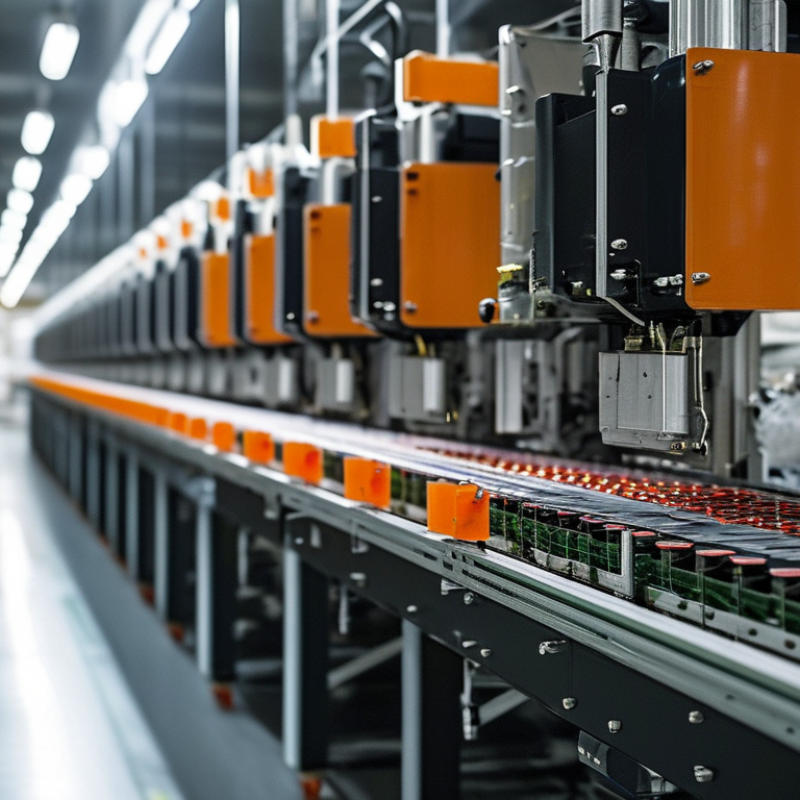
Overview of Automatic Labeling Systems in China
Automatic labeling systems in China have seen significant growth in recent years. The market is projected to reach
$1.5 billion by 2025, according to recent industry reports. This growth reflects the increasing demand for efficiency in production lines across various sectors.
Automatic labeling enhances productivity and accuracy, essential for competitive industries like
food and beverage,
pharmaceuticals, and
consumer goods.
However, not all systems are created equal. Some manufacturers struggle with quality control and equipment integration. A well-designed labeling system can reduce waste and improve throughput.
Conversely, poorly implemented systems may hinder operations. It’s crucial for businesses to assess their specific needs before investing in new technology.
Data suggests that China’s export of automatic labeling systems has grown by
8% annually. This trend indicates a robust global demand. Nonetheless, challenges such as
supply chain issues and
evolving regulatory standards need careful consideration. Companies must remain agile to navigate these complexities. Understanding the local market dynamics is vital for successful integration into global supply chains.
Key Features and Technologies of Labeling Systems
Automatic labeling systems have become essential in various industries. They enhance efficiency and accuracy in product packaging. These systems employ advanced technologies to streamline the labeling process, ensuring consistency and quality.
Key features of modern labeling systems include precision control and speed. Many systems utilize sensors and cameras for real-time adjustments. This capability reduces errors and minimizes waste. Additionally, flexible design allows them to handle different label sizes and materials seamlessly. The ability to integrate with existing production lines is crucial for many manufacturers.
The latest labeling systems also focus on user-friendly interfaces. Operators can easily adjust settings through touch screens. However, despite advancements, there can be a learning curve for staff. Comprehensive training is vital to fully harness the system’s capabilities. Challenges in implementing these systems often arise, prompting a need for reflection on operational processes. The emphasis should remain on continuous improvement to ensure long-term success.
Top Exporters of Automatic Labeling Systems in China
The demand for automatic labeling systems is rising in various sectors. Companies in China have emerged as key exporters of these innovative solutions. Their systems enhance efficiency and accuracy in labeling processes. With rapid industrial growth, the need for reliable labeling solutions becomes more pressing.
Chinese manufacturers are harnessing advanced technologies. This helps them produce high-quality labeling systems for global markets. However, not all systems meet the same standards. Some exporters may prioritize speed over quality. This can lead to complications in international supply chains. Buyers must conduct thorough research before choosing a supplier.
Looking into sourcing, it is vital to consider several factors. Evaluate the technological capabilities of the manufacturer. Assess their experience in the industry. Quality control processes are critical in ensuring reliable products. Even minor defects can disrupt production lines significantly. As this market continues to evolve, staying informed about trends and potential exporters is essential.
Top Automatic Labeling Systems Exporters in China
This chart displays the export value and growth percentage of automatic labeling systems from China in 2023, providing insights into the market trends and performance of this industry.
Market Trends and Demand for Labeling Systems
The global labeling systems market is experiencing significant growth. Recent reports estimate a compound annual growth rate (CAGR) of 5.8% from 2021 to 2026. This growth is driven by increased demand from the food and beverage, pharmaceuticals, and cosmetics industries. Businesses are recognizing the importance of labeling for compliance and marketing.
Automation in labeling systems is becoming essential. Companies seek to improve efficiency and reduce labor costs. Automated systems provide accuracy and consistency. Data from industry studies suggests that automated solutions can reduce labeling errors by up to 30%. This reduction significantly impacts operational costs and product reliability.
However, challenges remain. Many companies struggle with integrating new technologies into existing systems. Training staff on new automated systems can also be daunting. The shift to automation requires careful planning and execution. A thoughtful approach can enhance productivity and ensure alignment with market demands.
Challenges and Opportunities in the Export Market
The export market for automatic labeling systems in China presents both challenges and opportunities. As demand increases globally, manufacturers must stay ahead. However, navigating complex regulations can be daunting. Keeping up with international standards is essential for success.
Local and global competition intensifies. Many businesses find it hard to differentiate their products. Understanding market needs is crucial. Companies may need to adapt their offerings and stay flexible.
**Tip**: Engage with local experts. Their knowledge can help you understand regulations better.
Additionally, logistics can be an obstacle. Shipping delays can impact profitability. Building strong relationships with logistics providers can mitigate this risk.
**Tip**: Always have backup plans. This readiness can save time and resources when unforeseen issues arise.
Opportunities exist in diverse markets. Expanding into regions with growing demand can drive growth. Researching potential buyers is vital to tailor your approach appropriately.

 +86 15921716191
 Contact Phone
 Contact Email