Top Automatic Labelling Systems for Streamlining Your Business Processes?
In the rapidly evolving landscape of packaging and manufacturing, businesses are increasingly turning to Automated Labelling Systems. According to a recent report by MarketsandMarkets, the global market for automatic labelers is projected to reach USD 5.5 billion by 2026, with a notable compound annual growth rate (CAGR) of 6.4%. This growth underscores the pressing demand for streamlined processes within various industries.
Industry expert Dr. John Simmons, a leading voice in labelling technology, emphasizes the importance of efficiency: "Automatic Labelling Systems are no longer optional; they are essential for competitive advantage." His insights reflect a broader truth in the market—a shift towards automation that enhances productivity while reducing human error. As businesses adopt these systems, some challenge remains. The integration of new technology can disrupt existing workflows and requires training and adaptation.
Navigating the complexities of these systems is critical. Many companies face issues with system compatibility and label supply chain management. Addressing these hurdles is pivotal in realizing the full potential of Automatic Labelling Systems. As industries adapt, the conversation must continue around the best practices for effective implementation.
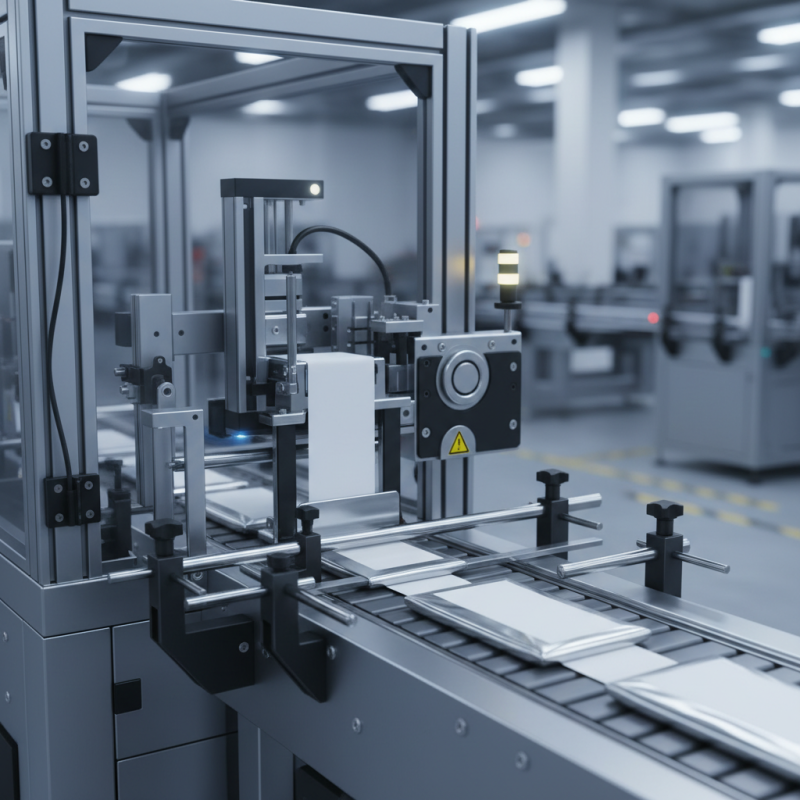
Overview of Automatic Labelling Systems and Their Importance
Automatic labelling systems play a crucial role in business efficiency. According to a recent industry report, companies using these systems can increase productivity by up to 30%. This is largely due to reduced manual work and fewer errors. Many businesses, from manufacturing to logistics, depend on accurate labelling to streamline workflows.
These systems help ensure compliance with regulations. Mislabelled products can lead to costly fines and damage a company’s reputation. A study revealed that 25% of supply chain delays are caused by labelling issues. Implementing automatic labelling not only prevents these setbacks but also saves time and resources.
However, businesses must carefully assess their needs before adopting new technologies. The integration process can be complex and may require adjustments to existing workflows. Some employees may resist change, which can hinder implementation. Continuous evaluation of system performance is essential. Embracing automation is beneficial, but being aware of potential challenges ensures long-term success.
Top Automatic Labelling Systems for Streamlining Your Business Processes
| System Type |
Speed (items/min) |
Labeling Accuracy (%) |
Integration Capability |
Cost ($) |
| Semi-Automatic Labeling |
15 |
95 |
Low |
500 |
| Fully Automatic Labeling |
50 |
99 |
High |
5000 |
| Labeling Systems with Vision |
30 |
98 |
Medium |
3000 |
| Print and Apply Systems |
40 |
97 |
High |
7000 |
| Manual Labeling |
5 |
90 |
None |
100 |
Key Features to Look for in Automatic Labelling Systems
When considering automatic labeling systems for your business, key features are crucial. Speed is a primary factor. A report by Smithers Pira states that automated labeling can increase production efficiency by up to 30%. Systems that handle high-speed applications can significantly reduce downtime and manual errors.
Accuracy is equally essential. Manufacturers should seek systems that offer verification functionalities. According to a study by the Packaging Association, labeling errors can lead to costly recalls. Look for technology that includes real-time error detection to prevent these inaccuracies.
Tips: Evaluate the system’s compatibility with your existing processes. Customization options can enhance efficiency. Consider systems that allow for updating labels quickly as regulations change. Investing in robust training for staff can also improve operational effectiveness.
Also, assess maintenance support. A system with reliable support can reduce long-term operational costs. Remember, investing in technology involves reflection on current practices and readiness to adapt. Find a balance between automation benefits and the specific needs of your business.
Top Brands and Models of Automatic Labelling Systems
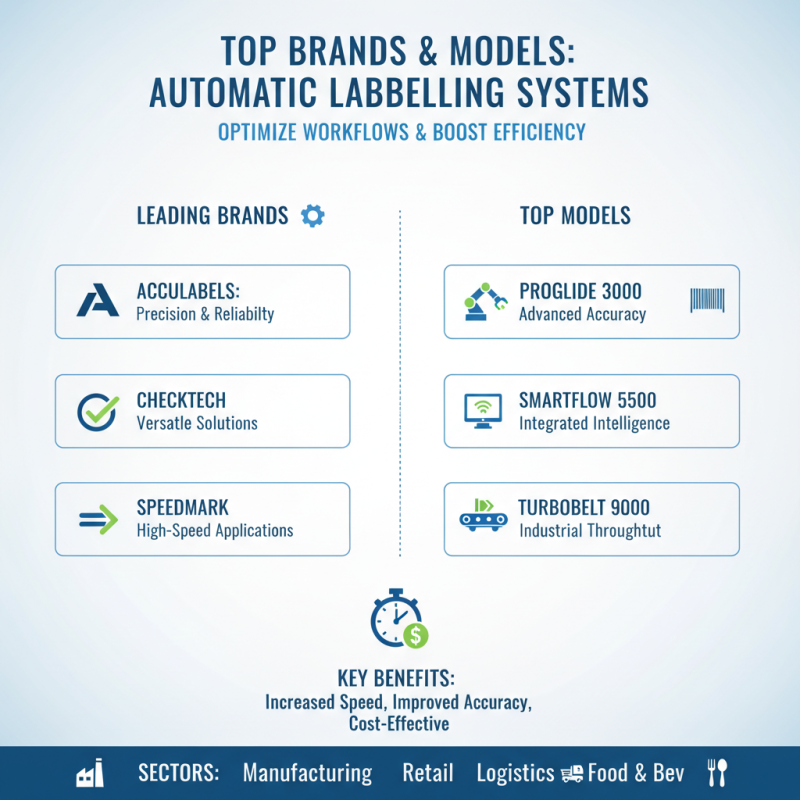
When it comes to automatic labelling systems, selecting the right brand and model matters significantly. Many businesses find that efficiency drives success. The best systems can improve speed and accuracy in labelling, thus optimizing workflows. These technologies help streamline operations in various sectors, from manufacturing to retail.
Investing in a reliable system ensures that products are labelled consistently. Users often highlight the importance of choosing models that can handle different label sizes. Look for systems with adaptable features. This flexibility can save costs and reduce time spent on adjustments.
Tips: Always consider machine compatibility with your current setup. Simple integration can make a big difference. Regular maintenance is crucial as well; even the best models can falter without proper care. Additionally, user-friendly interfaces can greatly enhance operational efficiency, reducing the learning curve for new staff. Always remain open to feedback and improvements. These insights can lead to better performance and satisfaction.
Case Studies: Successful Implementation of Labelling Systems
In recent years, various industries have embraced automatic labelling systems to enhance efficiency. According to a report by MarketsandMarkets, the labelling market is expected to grow by 5.2% annually, reaching a value of $67.5 billion by 2025. Companies leverage these systems to automate their production lines and reduce manual errors. The impact on productivity is clear. For instance, one study highlighted a manufacturing plant that decreased labelling errors by 90% after implementing an automated solution. This reduced waste significantly.
A logistics company reported moving from manual to automatic systems, cutting their operation time by 30%. Employees could focus on quality control instead of repetitive tasks. However, not all implementations are seamless. Initial system integration often faces challenges, such as training employees and ensuring software compatibility. A survey revealed that 40% of companies struggled with these aspects. This highlights the importance of having a solid strategy and support system.
Another case saw a food production company increase its output by 50% within a year. However, they encountered issues with system downtime, causing delays. Adjusting to a new system is a continuous process. Even successful cases stress the need for ongoing training and assessment. Companies should be prepared to adapt. Not every system will fit perfectly; learning from these implementations is crucial for achieving long-term success.
Top Automatic Labelling Systems and Their Impact on Business Processes
This chart illustrates the performance improvement in various business processes after implementing automatic labelling systems. The data reflects the percentage increase in efficiency, accuracy, and customer satisfaction.
Future Trends in Automatic Labelling Technology and Automation
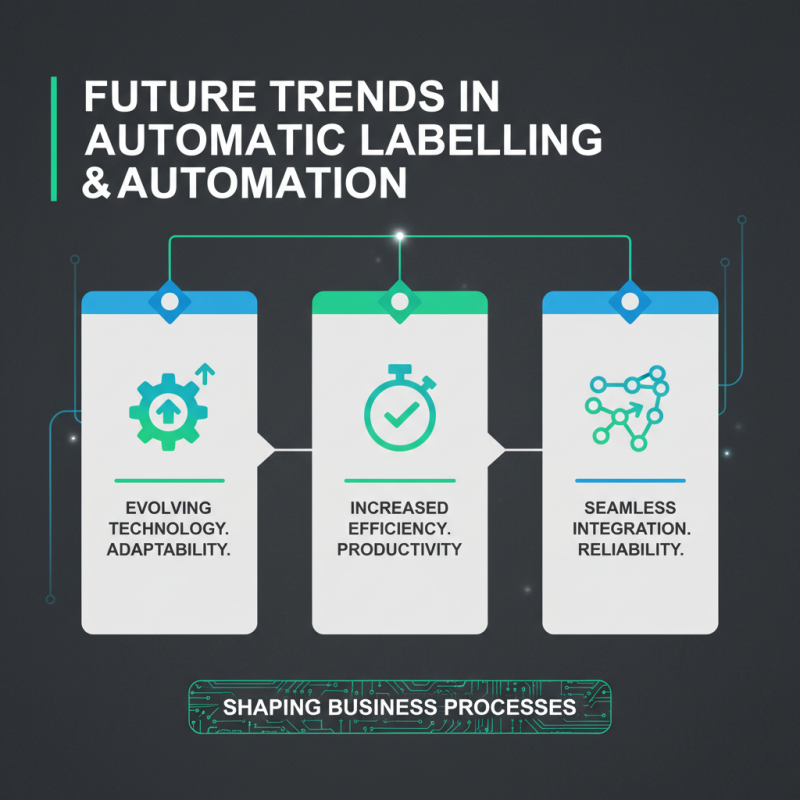
Automatic labelling technology is evolving rapidly, shaping the future of business processes. As organizations embrace automation, efficiency becomes paramount. Businesses need reliable systems that can adapt to changing demands and improve productivity.
One significant trend is the integration of artificial intelligence in labelling systems. AI can analyze data and optimize labelling procedures. This results in faster production times and reduced errors. However, implementing AI requires thorough training and adjustment. Companies must also ensure that their workforce can adapt to these new technologies.
Tip: When considering new labelling systems, invest in training programs for your employees. This can help bridge the gap between technology and human skills.
Another trend is the emphasis on sustainability. Many businesses are prioritizing eco-friendly materials and processes. This move not only meets consumer demands but also reflects social responsibility. However, transitioning to sustainable options might come with initial costs. Companies should track these expenses closely to measure long-term benefits.
Tip: Start with small changes in your labelling materials. Analyze the impact on your operations and customer feedback.
As technology advances, flexibility in labelling systems is essential. Businesses face challenges when adapting to new software or hardware. Planning for these transitions demands careful thought and strategy. It is crucial to analyze the potential risks and rewards of new systems.

 +86 15921716191
 Contact Phone
 Contact Email