Top Automatic Weighing and Labeling Systems for Your Business?
In today's competitive market, businesses strive for efficiency and precision. "Automatic Weighing And Labeling Systems" are crucial for achieving these goals. Expert John Smith, a leader in automation technology, once noted, "Investing in smart systems can elevate your operations." His insight underscores the importance of accurate weighing and labeling in production.
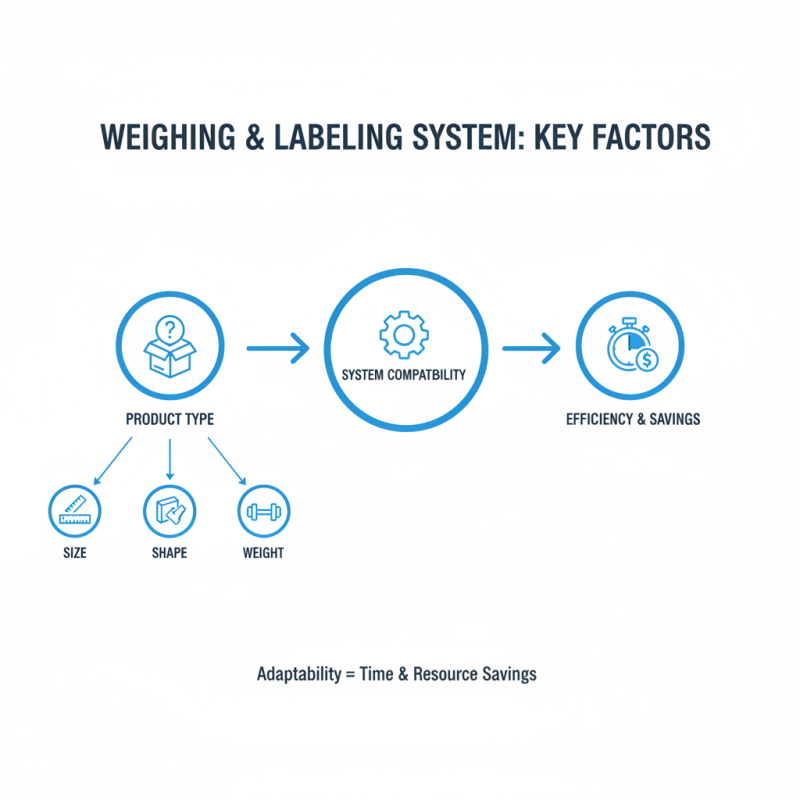
These systems streamline processes, reduce errors, and enhance productivity. However, not all solutions fit every business. Companies must consider factors like product type and volume. A one-size-fits-all approach may lead to unexpected challenges. For instance, some systems might struggle with high-speed production lines, resulting in bottlenecks.
Moreover, businesses should reflect on their specific needs. Evaluating current workflows can identify gaps. This introspection is vital for making informed investments. As technologies evolve, staying updated is essential. Balancing cost with capability will ultimately shape the effectiveness of "Automatic Weighing And Labeling Systems" in any enterprise.
Key Features of Automatic Weighing and Labeling Systems
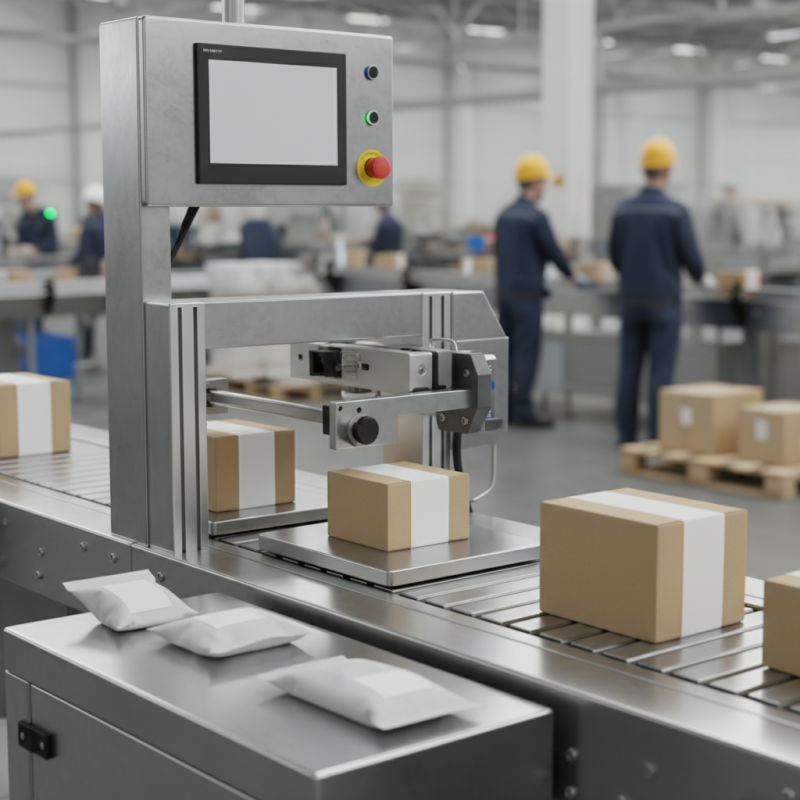
Automatic weighing and labeling systems play a crucial role in enhancing operational efficiency. These systems offer precise measurement and accurate labeling, reducing human error in production lines. According to industry research, automating these tasks can improve processing speeds by up to 30%. This efficiency not only speeds up production but can also significantly lower labor costs.
Key features to look for in these systems include high accuracy scales, user-friendly interfaces, and integration capabilities with existing equipment. A study found that systems with advanced sensors can reduce weight discrepancies to as low as 0.1 grams. Furthermore, labeling technology that supports real-time data processing ensures compliance with food and pharmaceutical regulations, a necessity in today’s market.
Tips: Always assess scalability when choosing a system. Your business needs may grow, and a scalable system will accommodate future demands without major overhauls. Regular training for staff on new technologies is also essential. This ensures that operations run smoothly and efficiently as new systems are integrated.
Benefits of Implementing Weighing and Labeling Solutions in Business
Implementing automatic weighing and labeling systems can significantly streamline business operations. A recent report by MarketsandMarkets states that the global market for such systems is projected to reach $5.8 billion by 2025, growing at a CAGR of 6.2%. These systems can enhance efficiency by reducing manual errors. This is crucial because a study found that 20% of manual labeling tasks result in mistakes.
Incorporating weighing and labeling solutions also improves compliance. Many industries face strict regulations regarding product accuracy and labeling. Non-compliance can lead to financial penalties. Automated systems ensure greater consistency and traceability, which builds customer trust. According to a survey conducted by PMMI, 75% of manufacturers noted improved accuracy after implementing these technologies.
Yet, businesses sometimes overlook the need for regular system updates or maintenance. Neglecting these aspects can lead to outdated processes that hamper productivity. Proper training is essential for employees to effectively use these systems. Investing in user education greatly influences the success of the technology. Ignoring this could result in wasted resources and diminished operational benefits.
Top Automatic Weighing and Labeling Systems for Your Business
| System Type |
Weight Capacity (kg) |
Labeling Speed (items/min) |
Features |
Benefits |
| Dynamic Weighing System |
50 |
30 |
Integrated scale and printer |
Accurate measurements, speed |
| Semi-Automatic Weighing |
10-100 |
20 |
User-friendly interface |
Cost-effective, ease of use |
| Fully Automatic System |
200 |
50 |
End-to-end automation |
High efficiency, lower labor costs |
| Labeling Machine with Vision |
20-30 |
40 |
OCR and barcode scanning |
Error reduction, quality control |
| Multi-Head Weigher |
5-100 |
120 |
High-speed weighing |
Speed and accuracy, versatility |
Top Brands and Models of Automatic Weighing and Labeling Systems
Automatic weighing and labeling systems are vital for businesses aiming to enhance efficiency. According to industry reports, these systems can reduce labor costs by up to 30% while improving accuracy. Automation in this area helps minimize errors that often occur in manual processes. It allows businesses to maintain compliance with strict regulations.
Top models in the market integrate advanced features. These include real-time monitoring and adjustable settings for various packaging types. A recent study found that systems with smart technology have a higher rate of customer satisfaction. This is due to their ability to quickly adapt to different product specifications. However, companies must consider operational training as a necessary investment. Proper usage ensures maximum system performance and minimizes delays.
It’s important to reflect on the implementation phase. Some businesses experience challenges when integrating new systems with existing workflows. Reports indicate that 25% of companies report downtime during transitions. Addressing these issues early can help avoid extended disruptions. Continuous assessment and feedback from employees can also promote better usage. Balancing these factors is key to harnessing the full potential of automatic weighing and labeling systems.
Top Automatic Weighing and Labeling Systems by Accuracy
This chart displays the accuracy of various automatic weighing and labeling systems. The data shows that System A offers the highest accuracy, followed by Systems B, C, D, and E.
Maintenance and Best Practices for Optimal System Performance
Maintaining automatic weighing and labeling systems ensures their efficiency and reliability. Regular maintenance can prevent costly downtime.
Periodic checks of scales and labeling heads help identify wear and tear before they affect performance. Pay attention to the calibration of weighing instruments. An uncalibrated scale can lead to inaccurate readings, impacting product quality and compliance.
Tips for prolonging system life: Schedule maintenance during off-peak periods to avoid disruptions. Keep the area around the equipment clean and free from dust and debris. This practice not only enhances accuracy but also extends machinery lifespan. Use only recommended cleaning products. Harsh chemicals can damage sensitive components.
Monitor system performance continuously. Track the number of misplaced labels or wrong weights. These metrics reveal underlying issues. Engaging operators in this analysis promotes a proactive culture towards system care. Document any recurring problems for future reference. Reflect on the strategies employed for improvement.
Adapting methods based on real data will lead to better outcomes. Regular training sessions for your team can strengthen their expertise, ensuring they operate systems effectively.

 +86 15921716191
 Contact Phone
 Contact Email