Top 10 Flexible Packaging Labeling Equipment for Global Buyers?
In the ever-evolving world of packaging, selecting the right equipment is critical for success. Among various options, Flexible Packaging Labeling Equipment stands out for its versatility and efficiency. These machines cater to diverse products, from food items to pharmaceuticals. They enhance branding and streamline operations, making them essential in today's competitive market.
Global buyers face numerous choices when sourcing labeling equipment. Factors like technology, speed, and precision play crucial roles. However, making an informed decision can be overwhelming. Some solutions may not fully address the specific needs of certain industries, which highlights the importance of thorough research. Yet, the landscape is rich with innovative options that promise reliability and improved performance.
Understanding the dynamics of flexible packaging is vital. This sector has seen rapid advancements, yet not all labeling equipment can keep up. As companies strive for sustainability and efficiency, the selection process must consider long-term benefits. Each piece of equipment should align with the overall vision of packaging strategies. As we explore the top options in this guide, let's reflect on what truly matters in flexible labeling solutions.
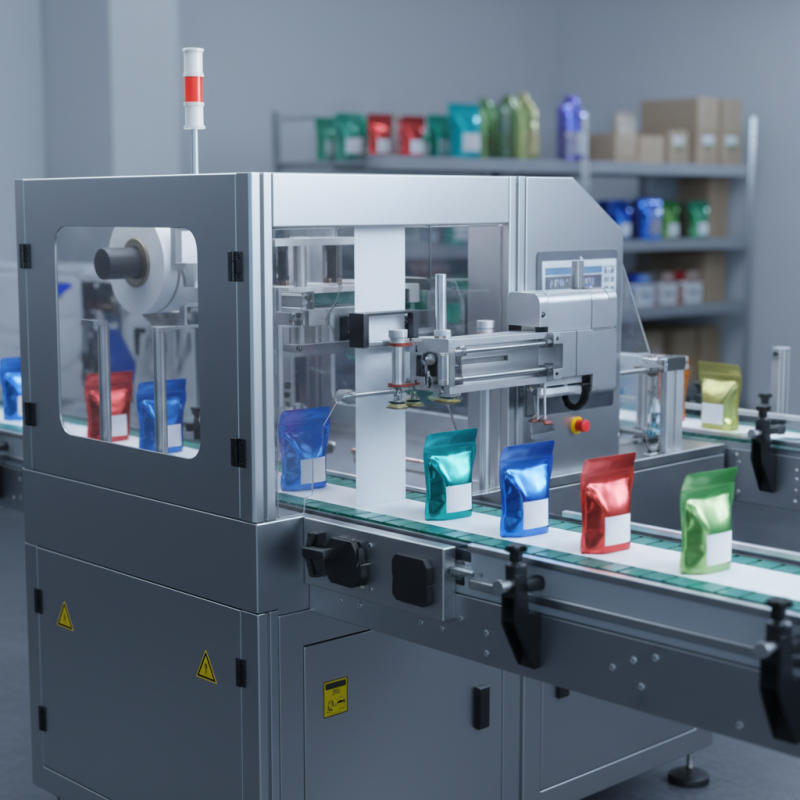
Top Trends in Flexible Packaging Labeling Equipment for 2023
The flexible packaging industry is evolving rapidly. In 2023, labeling equipment trends show a strong shift towards automation and sustainability. A recent study highlighted that 72% of businesses are prioritizing automated systems. These systems not only enhance efficiency but also reduce labor costs significantly.
Sustainability remains a major focus. Many companies are seeking eco-friendly materials for their labels. According to industry data, around 65% of consumers prefer products with sustainable packaging. This shift challenges manufacturers to innovate continuously. They face the need to balance aesthetics, functionality, and environmental impact.
Companies increasingly utilize digital printing technologies. These allow for shorter runs and quick adjustments. However, some manufacturers still rely on traditional methods, which can hinder flexibility. This duality illustrates a gap between innovation and existing practices. The journey towards improved labeling solutions continues, posing both challenges and opportunities for stakeholders.
Key Features and Technologies in Flexible Packaging Labeling Systems
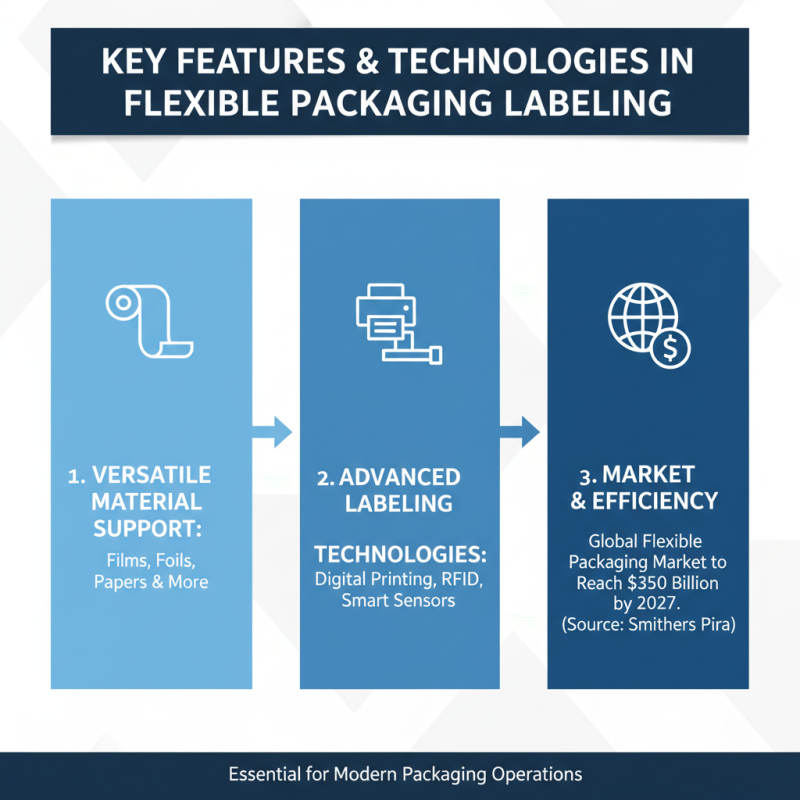
Flexible packaging labeling systems are essential for modern packaging operations. They support various materials, which enhances versatility. According to a recent report by Smithers Pira, the global flexible packaging market is expected to reach $350 billion by 2027, showcasing the growing need for efficient labeling solutions.
Key technologies in flexible packaging labeling include digital printing and automated application systems. Digital printing allows brands to produce high-quality labels quickly. Automated systems ensure consistency and accuracy in application, reducing waste. These technologies can adapt to multiple sizes and formats, greatly improving production efficiency. However, implementing such advanced systems can be costly and may require training.
Integration with data management systems is also crucial. Real-time tracking of inventory and production helps in decision-making. Yet, companies often struggle with seamless data integration. There’s a need for better evaluation of existing processes to maximize technology benefits. Overall, while the advancements in flexible packaging labeling offer significant advantages, the implementation phase poses challenges that require careful consideration.
Market Analysis: Growth of Flexible Packaging in Global Trade
The global flexible packaging market is experiencing significant growth. This increase can be attributed to changing consumer preferences and a shift towards sustainability. Flexible packaging offers many advantages, including reduced waste and lower transportation costs. These factors are driving businesses to adopt innovative packaging solutions.
A recent market analysis highlights the rising demand for flexible packaging. Industries such as food and beverage, personal care, and pharmaceuticals are leading the way. Companies are focusing on eco-friendly materials and processes. However, many still struggle with regulatory challenges. Ensuring compliance while maintaining flexibility can be difficult.
As flexible packaging becomes more prevalent, labeling equipment plays a critical role. Accurate labeling is necessary for both regulatory compliance and consumer information. The need for advanced labeling technologies is apparent in the industry. Buyers must consider various factors when selecting equipment. The right choice can enhance production efficiency and improve product visibility on shelves.
Comparative Review of Leading Flexible Packaging Labeling Brands
In the evolving landscape of the flexible packaging industry, labeling equipment plays a crucial role. Buyers often seek reliable solutions tailored to their specific needs. A variety of options are available, each with distinct features and advantages. Some machines excel in speed and accuracy, essential for high-volume production lines. Others focus on flexibility, capable of handling diverse packaging formats.
An ideal labeling machine should provide ease of operation and maintenance. Intuitive interfaces can reduce training time, making it easier for staff to adapt. However, some models fall short in offering comprehensive support and troubleshooting resources. It’s vital for buyers to consider the long-term reliability of the equipment. Additionally, understanding the machine's integration into existing production workflows can be challenging.
Assessing the performance of different brands provides insights into their strengths and weaknesses. Some systems may offer advanced technology, enhancing precision. Yet, outdated models might struggle with newer materials. Buyers must weigh these factors carefully, ensuring the chosen equipment aligns with their operational goals. Such reflections can lead to better purchasing decisions in a competitive market.
Operational Efficiency and Cost-Saving Benefits of Modern Labeling Solutions
Modern labeling solutions play a crucial role in enhancing operational efficiency in the flexible packaging industry. According to a recent report by Smithers Pira, the global flexible packaging market is expected to reach $300 billion by 2024. This growth indicates a rising demand for efficient labeling technologies. Advanced labeling equipment can reduce human error and streamline workflow. Labels can be applied faster and more accurately, speeding up the production process.
Cost-saving benefits are equally significant. Research from Freedonia Group suggests that automated labeling systems can lower labor costs by up to 30%. These systems require less manual intervention, which decreases the likelihood of operational hiccups. However, the initial investment in modern labeling equipment may seem daunting. Companies must assess their return on investment carefully.
Despite advancements, challenges remain. Adapting to new technologies requires training and adjustments in workflows. Some businesses may struggle to integrate advanced labeling systems into their existing operations. Continuous monitoring and optimization of labeling processes are essential for maximizing benefits. Balancing innovation with practical implementation requires ongoing effort. Industry stakeholders must remain vigilant to ensure they capitalize on emerging trends while addressing operational challenges effectively.
Top 10 Flexible Packaging Labeling Equipment - Operational Efficiency and Cost-Saving Benefits
This chart illustrates the operational efficiency and cost-saving benefits of the top 10 flexible packaging labeling equipment, highlighting key metrics such as speed, accuracy, and operational cost reduction.

 +86 15921716191
 Contact Phone
 Contact Email