Leave Your Message

Top International Labeling Equipment Suppliers in 2026?

International Labeling Equipment Suppliers are shaping how manufacturers apply product information at speed and with consistent placement. In 2026, buyers face a crowded market, from compact tabletop units to automated lines built for high-volume production. A machine that works well for one bottle or carton may struggle with a different surface, label stock, or line speed. Fit matters.

This guide examines leading suppliers through practical criteria: equipment range, application accuracy, changeover time, controls, service access, and integration with upstream packaging systems. It also considers whether suppliers support installation, operator training, spare parts, and ongoing maintenance. These details can matter as much as headline speed. A fast applicator is not automatically the right investment.

Supplier rankings can be useful, but they rarely tell the whole story. Availability, local technical support, and the buyer’s product mix can change the best choice. It can vary. Specifications should be checked against real production samples, not brochure claims alone. Ask for a demonstration using your containers and labels. Then review output quality over a sustained run. There are trade-offs, and no list can remove them. The companies discussed here offer different strengths, so this overview is a starting point—not a substitute for a site assessment, clear requirements, and direct supplier verification.
Top International Labeling Equipment Suppliers in 2026?

Labeling Equipment in 2026: Machine Types, Applications, and Key Functions

Labeling Equipment in 2026: Machine Types, Applications, and Key Functions

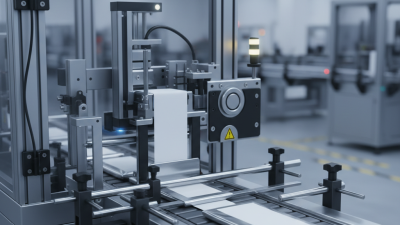
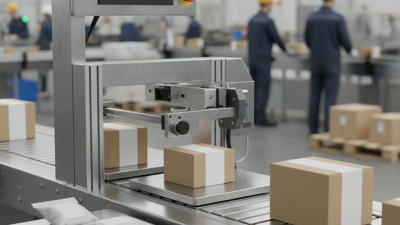
In 2026, labeling equipment ranges from compact tabletop units to high-speed automated lines. Pressure-sensitive machines apply adhesive labels to bottles, jars, cartons, and pouches. Wraparound systems cover cylindrical containers, while sleeve applicators place shrinkable film around products. Print-and-apply units add variable details, such as batch codes, during production. The right type depends on container shape, label material, and required output.

Key functions include product detection, label positioning, application, and inspection. Sensors can identify a passing container and trigger label placement. Adjustable guides help manage different package sizes, but frequent changeovers can still slow a line. Vision systems may flag crooked or missing labels. A clean-looking result matters, yet it does not prove that adhesion will hold through storage and handling. Test labels on actual containers before settling on machine settings.

Tips: Check label placement under real line speeds. Test damp, dusty, or curved surfaces where relevant. Record changeover time, not just rated output. Small details matter. A machine that performs well on one package may need careful adjustment for another. And specifications alone rarely tell the whole story.

How Pressure-Sensitive, Sleeve, and In-Mold Labeling Technologies Differ

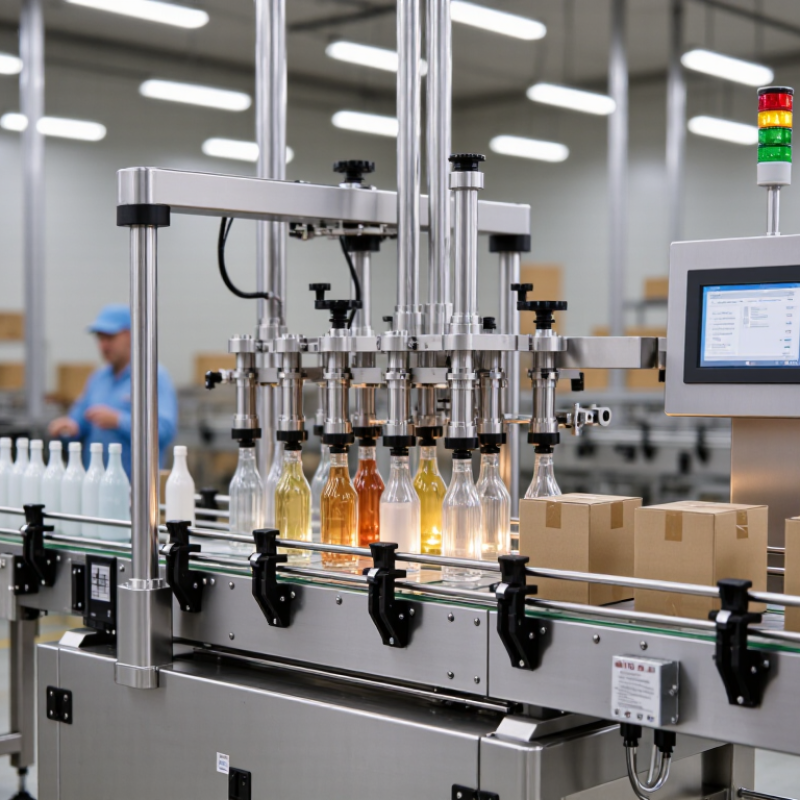
Pressure-sensitive labeling uses a pre-coated adhesive label applied to a finished container. It suits frequent artwork changes and many package shapes. On a production line, operators can watch each label settle against a bottle’s curve. Small adjustments to the applicator can reduce skew. Dust, condensation, or oily surfaces may still cause lifting, so test labels on actual containers, not just clean samples. Setup is simple. Not always.

Sleeve labeling wraps a film around a container, then uses heat to shrink it into place. It can cover curved surfaces and provide broad space for graphics. The trade-off is process control: uneven heat may leave wrinkles, while excess heat can affect sensitive packaging. A useful supplier trial checks tunnel temperature, conveyor speed, and the container after cooling. The comparison is less tidy than brochures suggest.

In-mold labeling places the label inside a mold before the container is formed, bonding it during production. The result can resist scuffing and avoid a separate labeling step. But it requires coordination between label design, mold geometry, and forming conditions. It may be practical for steady, high-volume runs, yet less flexible when designs change often. When assessing equipment suppliers, ask for a line trial using your real container, label stock, and target speed. One detail gets missed: changeover time matters, too.

Top International Labeling Equipment Suppliers in 2026? - How Pressure-Sensitive, Sleeve, and In-Mold Labeling Technologies Differ

A supplier-neutral comparison of three established labeling technologies. Actual line speed, changeover time, and production suitability depend on the equipment configuration, container design, materials, and application requirements.

Comparison dimension Pressure-sensitive labeling Sleeve labeling In-mold labeling (IML)
How the label is applied A pre-printed label with an adhesive backing is peeled from its liner and applied to the container. A printed tubular film is opened, positioned over the container, and commonly secured by heat shrinking it to the shape. A pre-printed label is placed in the mold before plastic is injected or formed; the label bonds with the container during molding.
Typical label materials Paper or plastic film facestock, pressure-sensitive adhesive, and a release liner. Heat-shrinkable plastic film, commonly selected to suit the container and shrinking process. A compatible plastic label film designed to bond with the molded container material.
Container and coverage fit Well suited to flat, oval, and round surfaces; labels may be applied to the front, back, or around part of a container. Can conform around contoured containers and provide broad or full-body coverage, subject to film design and shrink behavior. Used with compatible molded containers, including certain pails, tubs, cups, and other plastic packages; the mold and label must be designed to work together.
Common advantages Flexible label design and placement; practical for applying labels to already-made containers; supports a wide range of label stocks and adhesive options. Can cover complex contours and large areas; graphics can extend around the package; no pressure-sensitive adhesive is needed to attach the sleeve. Label and container are integrated during molding, avoiding a separate post-molding label-application step; the finished surface can be durable in suitable applications.
Key process considerations Adhesive selection must match the container surface and use conditions. Cleanliness, label alignment, and consistent dispensing affect application quality. Requires appropriate sleeve feeding, positioning, and—when using shrink sleeves—a controlled heat-shrinking process. Film, container, and artwork need to be matched. Requires coordination between label supply, robotic or mechanical placement, and the molding cycle. Mold design, label positioning, and material compatibility are important.
Typical equipment and line requirements A label dispenser or labeling station, container handling, and suitable orientation or inspection equipment; configurations range from stand-alone machines to integrated lines. A sleeve applicator and, for shrink applications, a compatible heat source such as a steam or hot-air system, plus container handling and inspection. Molding equipment fitted for in-mold label handling, label magazines or feeding systems, and label-placement equipment integrated with the molding cycle.
Supplier evaluation factors Confirm container range, label and adhesive compatibility, changeover needs, integration options, inspection features, and service support. Confirm sleeve material and size range, application accuracy, shrink-system requirements, container compatibility, and access for maintenance. Confirm compatibility with the molding process and mold, label-placement repeatability, cycle integration, tooling needs, and technical support for trials.
Best starting point for selection Consider when application flexibility and labeling pre-made containers are priorities. Consider when a contoured package or extensive graphic coverage is required. Consider when the package is molded in a compatible process and integrating the label into production is desirable.

Note: This table compares labeling technologies rather than ranking individual equipment suppliers. Request application trials and written specifications using the intended container, label material, and production conditions before selecting a system.

2026 Compliance Drivers: EU PPWR Applies from 12 August 2026

Top International Labeling Equipment Suppliers in 2026?

2026 Compliance Drivers: EU PPWR Applies from 12 August 2026

From 12 August 2026, the EU Packaging and Packaging Waste Regulation (PPWR) generally applies. The date matters, but not every packaging requirement starts at once. Some labeling details will be phased in or depend on later EU measures. Packaging teams should check the rules that apply to their product, market, and timeline.

That changes how companies assess labeling equipment suppliers. A line may need to print clear, durable information across different pack sizes and materials. Ask whether equipment can handle frequent artwork changes, variable data, and placement checks at production speed. Request practical evidence: test samples, inspection records, and changeover times. A neat label is not automatically a compliant one.

Details matter. A label can shift on a curved container, fade after handling, or become hard to scan against a glossy surface. These are ordinary production problems, yet they can undermine an otherwise sound plan. Ask suppliers how their systems detect print defects and record results. Also confirm which obligations are already applicable and which need further guidance. It is easy to overprepare for an imagined deadline, or wait too long for perfect clarity. The better approach is to build flexible labeling capacity and review requirements as official guidance develops.

Global Supplier Profiles: Krones, HERMA, Sidel, ProMach, and Marchesini

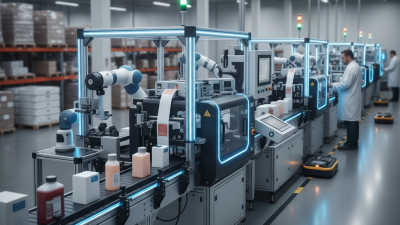
International labeling suppliers differ less by speed claims than by line context. One European builder is strongest in high-throughput beverage lines, where labels must track fast-moving bottles and frequent changeovers. Another specializes in applicators that fit existing production cells. A third links filling, packaging, and labeling into a coordinated line. North American groups often bring broader integration and service networks, while an Italian equipment maker is known for configurable systems serving food and pharmaceutical packaging. These profiles are useful starting points, not rankings.

Fortune Business Insights estimated the global packaging machinery market at US$47.89 billion in 2024; that figure covers more than labeling equipment. PMMI’s 2024 State of the Industry report also highlights labor constraints and automation as important industry pressures.

Buyers should test label placement, changeover time, reject handling, and support response using their own containers and materials.

Small details matter.

A clean label on a dry sample tells little about performance on a chilled, damp bottle at full speed. A neat specification sheet can still mislead. And line integration may add complexity, even when it reduces manual handling.

How to Compare Suppliers: Throughput, Changeovers, Accuracy, and GS1’s 2027 2D-Barcode Target

A supplier’s headline speed is only a starting point. Ask for sustained throughput using your actual label size, container shape, and line speed. A machine may run quickly with a standard carton but slow down on a curved bottle. Numbers can mislead. Request a timed production trial, including rejected labels and brief stoppages.

Changeover time matters when products vary. Measure from the last good label on one product to the first acceptable label on the next. Check how operators adjust guides, load label rolls, and save settings. Small details count. A quick changeover that depends on one experienced technician may not be repeatable across shifts.

Accuracy should include placement and barcode readability, not just whether a label was applied. Ask suppliers to test your packaging under realistic lighting and inspect the verification records. GS1’s 2027 Sunrise target calls for retail point-of-sale systems to scan 2D barcodes alongside existing linear codes. Confirm that the equipment can print or apply the required symbols, and that downstream scanners can read them.

Test real data, too. A polished demo is not enough; edge cases deserve more attention than many evaluations give them.