Top Global Packaging Machinery Manufacturers You Should Know?
The world of Global Packaging Machinery Manufacturers is both dynamic and complex. Leading experts, like Dr. Sarah Johnson, emphasize the importance of innovation in this industry. She states, “Successful manufacturers adapt quickly to changing market demands.” This guides many companies in their strategy.
As the demand for packaging increases, manufacturers must navigate various challenges. Sustainability is a key focus. Many companies face pressure to reduce waste. The evolution of technology also poses risks and opportunities. Some manufacturers excel, while others struggle to keep pace.
Understanding key players in the Global Packaging Machinery Manufacturers sector is vital. Companies like Bosch and Krones set benchmarks. Yet, not all meet expectations. Reflection on their operational flaws can lead to growth. For businesses inside this industry, learning from both successes and failures is crucial.
Overview of the Global Packaging Machinery Industry
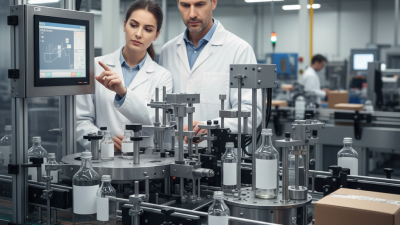
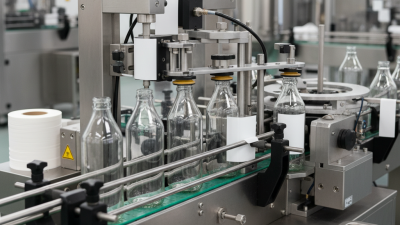
The global packaging machinery industry plays a crucial role in manufacturing and retail. It enhances productivity and efficiency in various sectors. Packaging machines process materials and create packaging that protects products. They vary in design, size, and function—tailored to meet diverse industry needs.
Recent trends reveal a shift toward automation. Many companies seek machinery that reduces labor costs. Innovation drives demand for flexible packaging solutions. Eco-friendly materials are gaining traction. However, not all manufacturers keep pace with sustainability goals. Some still rely on outdated practices that harm the environment. This gap raises questions about long-term viability.
As businesses grow, they face challenges in adapting to new technologies. Not every manufacturer is capable of quick adaptations. Lack of skilled workers complicates this transition. Companies must invest in training and development. Balancing cost and innovation is a continuous struggle, prompting reflection on strategies for future growth.
Top Global Packaging Machinery Manufacturers You Should Know
| Type of Machinery |
Market Share (%) |
Revenue (USD Billion) |
Headquarters Location |
Year Established |
| Filling Machines |
21.5 |
3.2 |
USA |
1985 |
| Labeling Machines |
15.8 |
2.1 |
Germany |
1992 |
| Sealing Machines |
18.2 |
2.8 |
Italy |
1988 |
| Wrapping Machines |
10.3 |
1.5 |
Japan |
1990 |
| Cartoning Machines |
12.4 |
1.9 |
Switzerland |
1995 |
Key Players in the Packaging Machinery Market
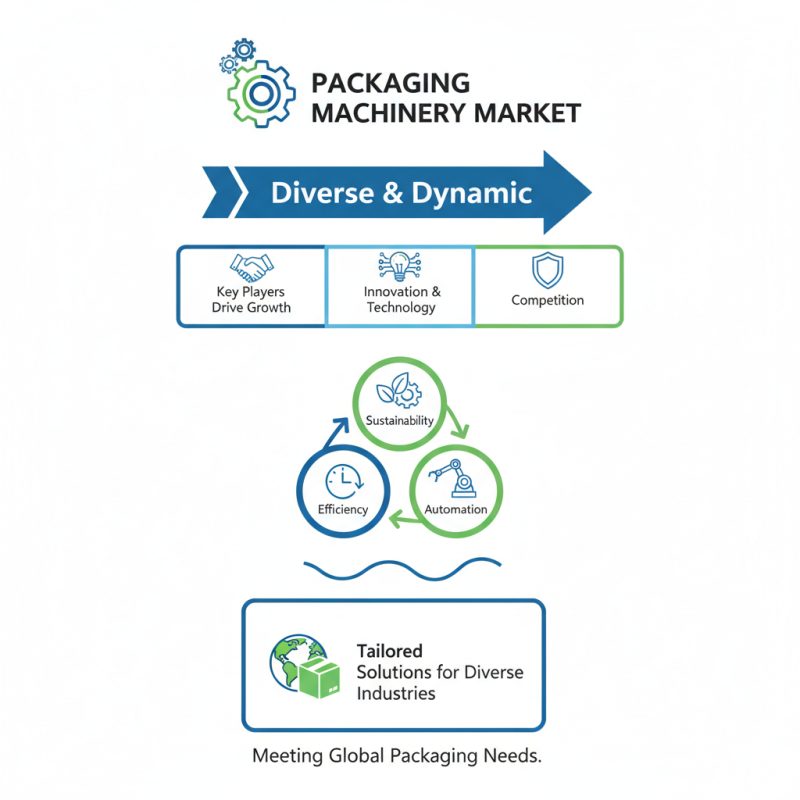
The packaging machinery market is diverse and dynamic. Key players contribute significantly to its growth. Innovations and technology drive competition among these manufacturers. They focus on efficiency, sustainability, and automation. Companies design machines that meet various packaging needs across industries.
Some manufacturers specialize in flexible packaging solutions. Others might focus on rigid packaging machinery. The machines can handle food, pharmaceuticals, or consumer goods. There are challenges in keeping up with changing regulations and customer demands. Companies must adapt quickly, ensuring their machinery complies with safety standards.
Many manufacturers invest in research and development. They explore new materials and eco-friendly processes. However, balancing innovation and cost-effectiveness remains a struggle. Crafting solutions that satisfy both market needs and environmental concerns is essential. These players must continually evaluate their strategies for long-term success.
Innovative Technologies in Packaging Machinery
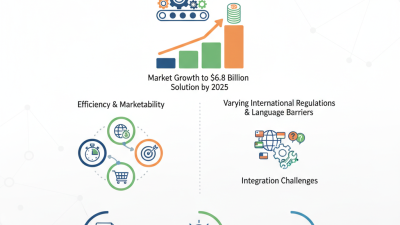
Innovative technologies are transforming the packaging machinery landscape. Automation plays a critical role here. According to a recent report, the global packaging machinery market is projected to reach $50 billion by 2025. This growth is driven by advancements in robotics and artificial intelligence. These technologies enhance efficiency and reduce labor costs. They allow machines to adapt to varying product types and sizes.
Another key innovation is sustainable packaging. The trend towards eco-friendly materials is gaining traction. Many companies are investing in biodegradable and recyclable options. This shift not only meets consumer demand but also addresses environmental concerns. For instance, a recent study found that 60% of consumers prefer brands that prioritize sustainability.
Tips: When considering new packaging machinery, assess your production needs carefully. Understand the balance between efficiency and sustainability. Additionally, ensure that your team is trained to operate new technologies effectively. In a fast-evolving market, staying informed is crucial. Embrace innovation, but reflect on its long-term impacts on your operations.
Top Global Packaging Machinery Manufacturers You Should Know
This chart shows the global market share distribution of different types of packaging machinery based on recent industry data. The data reflects advances in technology and production efficiency in the packaging sector.
Regional Insights: Leading Countries in Packaging Machinery Production
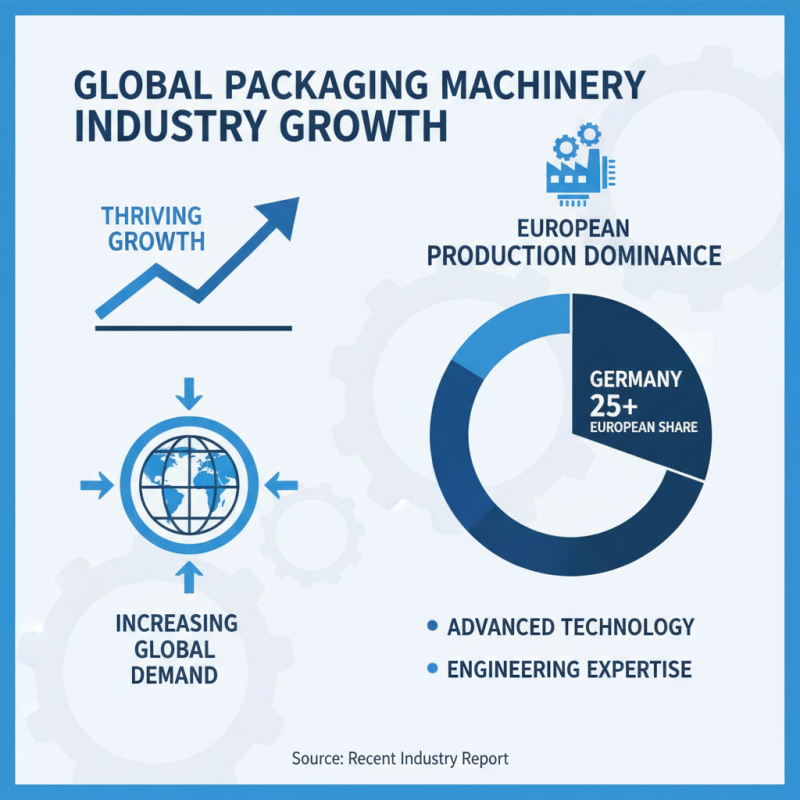
The global packaging machinery industry is thriving. This growth is largely driven by the increasing demand across several regions. According to a recent report, Europe dominates production. Germany leads the way, accounting for over 25% of Europe’s market share. Its advanced technology and engineering expertise contribute to this success.
North America follows closely. The United States shows strong growth, especially in food and beverage packaging. The demand for automation is on the rise, reflecting a shift towards efficiency. However, the region also faces challenges, such as supply chain disruptions. These issues have prompted manufacturers to rethink their strategies.
Asia-Pacific is rapidly emerging as a key player. Countries like China and India are expanding their production capabilities. China has become a manufacturing hub due to lower labor costs and investments. Still, quality control remains a concern for many firms. Striking the right balance between cost and quality is crucial for sustained success in this competitive landscape.
Future Trends and Challenges in Packaging Machinery Sector
The packaging machinery sector is undergoing rapid transformation. New technologies are emerging, pushing the boundaries of efficiency and sustainability. Companies now focus on automation and smart solutions. This trend enhances production rates while minimizing waste. However, not all manufacturers keep pace. Some struggle to adapt, leading to missed opportunities.
Another challenge facing the industry is sustainability pressures. Eco-friendly packaging is becoming essential. Manufacturers must innovate to meet these expectations. They are exploring biodegradable materials and efficient designs. But, the transition is often slow. Not every company has the resources for such changes. This creates a divide in the market.
Workforce issues also play a significant role. Skilled labor remains in short supply. Many companies face difficulties finding qualified workers. Training programs are needed, yet they take time to implement. Manufacturers must invest in their workforce to thrive. Embracing these challenges can lead to long-term benefits. The future of packaging machinery holds potential, but it requires reflection and adaptation.

 +86 15921716191
 Contact Phone
 Contact Email