2026 Top Intelligent Label Printing Systems for Global Buyers?
In the rapidly evolving world of business, the demand for efficient and adaptable solutions increases. For companies, Intelligent Label Printing Systems stand out as a crucial asset. These systems streamline operations and enhance product presentation. They cater to various industries, from food and beverage to pharmaceuticals.
As global buyers seek the best options, understanding these systems becomes essential. The right choice can improve efficiency and reduce costs. However, the market is vast and sometimes overwhelming. Factors like technology, user experience, and reliability are key.
Evaluating Intelligent Label Printing Systems requires careful consideration. Buyers must weigh features against specific needs. It's not merely about functionality; technology adoption can extend brand recognition. Thoughtful selection reflects expertise, yet it's easy to overlook critical details. The right system can ensure a significant impact on business success.
Overview of Intelligent Label Printing Systems in 2026
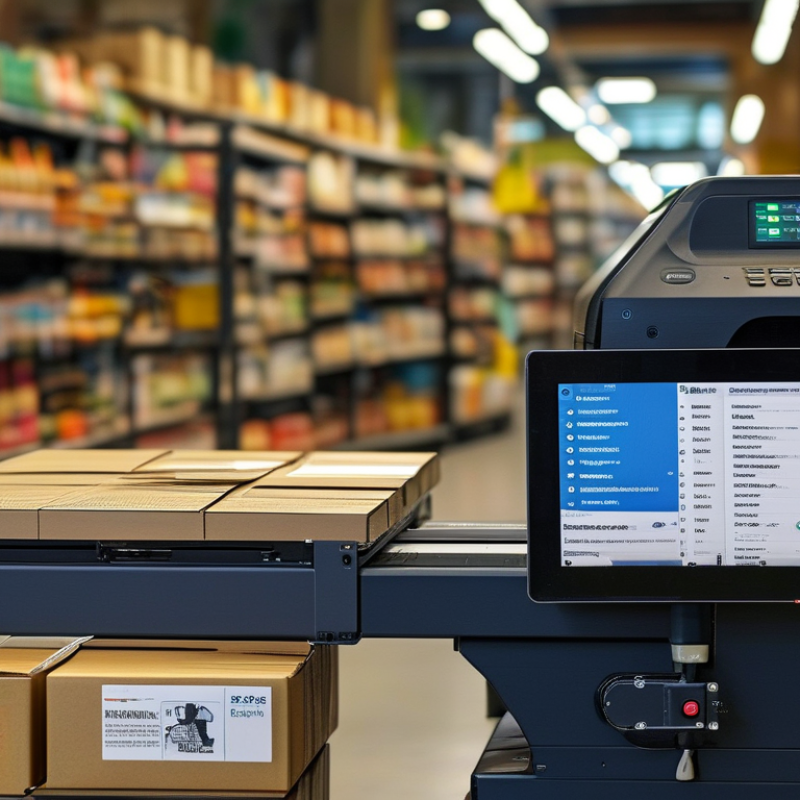
In 2026, intelligent label printing systems are evolving rapidly. These systems create high-quality labels efficiently, meeting diverse business needs. They integrate advanced technologies like automation and machine learning. This results in enhanced accuracy and reduced waste during the printing process.
Businesses benefit from personalized and variable data printing. This allows them to cater to individual customer preferences easily. However, the transition to such systems can be challenging. Many companies struggle with integrating new technologies into existing workflows. Additionally, training staff to utilize these systems effectively is often overlooked.
Intelligent label printing systems also promote sustainability. They use eco-friendly materials and reduce energy consumption. Despite these advancements, some businesses find it hard to justify the initial investment. It’s essential for organizations to evaluate long-term benefits versus short-term costs. This complexity reminds us that every innovation carries its own challenges and requires thoughtful reflection.
2026 Top Intelligent Label Printing Systems Overview
Key Features to Consider for Intelligent Label Printing Systems
When selecting intelligent label printing systems, consider several key features. High resolution is essential for producing clear, detailed labels. Look for printers that offer at least 600 dpi. This resolution ensures that even intricate designs remain sharp and readable. A user-friendly interface can significantly improve your workflow. Touchscreen controls allow for easy navigation, reducing the time spent on setup.
Additionally, connectivity options are crucial. Systems should support multiple connections, including USB, Ethernet, and Wi-Fi. This versatility allows seamless integration into existing workflows. Compatibility with various software systems increases usability. Labels created with advanced software can enhance branding efforts.
Durability and maintenance are often overlooked. Some printers require frequent replacements of parts. Consider models with longer intervals between maintenance to save time and costs. User reviews often highlight reliability, which should factor into your decision. It’s also wise to assess the support offered by manufacturers. Quick access to customer service can prevent downtime during critical periods. Integrating these features into your decision-making process will enhance your label printing experience.
Top Brands and Models for Global Buyers in 2026
As we look ahead to 2026, the demand for intelligent label printing systems is set to soar. Brands striving to meet this demand must focus on efficiency and innovation. Flexible printing solutions will be paramount, addressing various industries, from pharmaceuticals to retail. These systems need to enable quick adjustments and high-quality output. Buyers increasingly seek user-friendly interfaces and seamless integration with existing workflows.
Several top models are expected to lead the market in 2026. Each model should offer unique features tailored to specific applications. For instance, some may excel in speed, while others might prioritize precision. Potential buyers should pay close attention to customer support and warranty options, as these factors reinforce reliability. Many brands are currently innovating, but not all will hit the mark.
While many systems show promise, not every innovation will prove beneficial. Users may encounter steep learning curves or unexpected issues. It’s crucial for buyers to evaluate their needs thoroughly. Engaging in pilot tests before committing to a purchase could save time and resources. Being aware of evolving technologies is essential. Thus, it's wise to stay informed about trends shaping the label printing landscape.
Market Trends and Innovations in Intelligent Label Printing
The intelligent label printing industry is evolving rapidly. Innovations are driving efficiency and sustainability. Cloud-based solutions dominate the market. Businesses can now manage their printing operations remotely. This flexibility saves time and reduces waste.
One significant trend is the integration of AI in label design. AI helps in creating personalized labels quickly. Automated adjustments based on real-time data streamline production. However, there are challenges. Implementing these technologies requires skilled personnel and training.
Tips for selecting intelligent label printing systems:
Consider systems that offer robust analytics features. This capability can help you understand consumer preferences better. Look for setups that support eco-friendly materials. Sustainable options are becoming important for many companies. Lastly, ensure the technical support is reliable. You might face issues that need quick resolutions.
As the market evolves, businesses must remain adaptable. Keeping pace with these trends is essential. Balancing innovation with practical execution will be key to success.
User Feedback and Case Studies of Top Printing Systems
The landscape of label printing systems is rapidly evolving. User feedback consistently highlights the importance of flexibility. Many professionals have pointed out that customizability is a crucial factor. Some systems fail to meet diverse project needs. This can lead to frustration in fast-paced environments.
Case studies reveal both successes and challenges. For example, a manufacturer reported efficiency boosts using a new printing technique. However, they also faced issues with compatibility across software platforms. These experiences underline the need for robust support systems. User reliability often hinges on timely maintenance and responsive customer service.
Professionals emphasize the significance of real-time printing. Quick production times can significantly impact supply chains. Yet, some users express dissatisfaction with longer setup times. The balance between speed and quality remains delicate. Continuous feedback loops can help improve these systems, fostering innovation tailored to user needs.
2026 Top Intelligent Label Printing Systems for Global Buyers
| Printing System |
User Rating |
Key Features |
Average Cost (USD) |
Case Study Examples |
| System A |
4.8 |
High-speed printing, Multi-language support |
$12,000 |
Food and Beverage Industry |
| System B |
4.5 |
Eco-friendly labeling, Automatic cutting |
$9,500 |
Beverage Packaging |
| System C |
4.7 |
Compact design, Wireless connectivity |
$11,000 |
Electronics Manufacturing |
| System D |
4.6 |
Fast drying ink, Customizable templates |
$10,000 |
Pharmaceuticals |
| System E |
4.9 |
Smart printer integration, Cloud compatibility |
$13,500 |
E-commerce Solutions |

 +86 15921716191
 Contact Phone
 Contact Email