Top 10 Labeling and Packaging Automation Solutions in China?
In today's fast-paced manufacturing environment, Labeling and Packaging Automation is essential. Companies face pressure to improve efficiency and reduce costs. Automation solutions offer significant benefits by streamlining processes and minimizing human error.
China's market is rapidly evolving, making it a hub for innovative automation technologies. Many businesses seek reliable and efficient Labeling and Packaging Automation systems. However, not all solutions meet the same standard of quality and efficiency.
Understanding the top options available can guide businesses in making informed decisions. Companies should assess key features, such as speed, versatility, and ease of integration. Additionally, the right automation solution can enhance production flow and customer satisfaction. In this article, we will explore the leading solutions in China, highlighting strengths and weaknesses.
Top Trends in Labeling and Packaging Automation in China
The labeling and packaging automation sector in China is evolving rapidly. According to a report by Research and Markets, the market is set to grow by over 8% annually until 2025. This growth aligns with changing consumer preferences, emphasizing sustainable packaging. Automation technologies enhance efficiency, reducing labor costs and minimizing errors.
One key trend is the integration of smart technologies. Companies are investing in AI-driven systems to optimize production lines. This shift helps meet increasing demands for customization. Nonetheless, challenges arise with the need for skilled labor to operate these advanced systems. Additionally, discrepancies in technology adoption among small and large enterprises present hurdles.
Another notable trend is the rise of eco-friendly materials. A survey by Statista reveals that approximately 70% of consumers prefer recyclable packaging. However, the transition to sustainable materials can be costly. Manufacturers must weigh the benefits of eco-innovation against potential financial risks. Balancing efficiency and sustainability remains a complex challenge in this vibrant market.
Market Overview: Growth Statistics and Industry Dynamics in 2023
In 2023, the labeling and packaging automation market in China is evolving rapidly. Companies are investing heavily in advanced technologies. This shift reflects a growing demand for efficiency and precision in manufacturing processes. Automation reduces labor costs and minimizes errors, leading to higher productivity. The trend also aligns with the broader industrial strategy aimed at modernization.
However, the market faces challenges. Many companies struggle with integrating new technologies into existing systems. Training staff to effectively operate automated solutions remains a hurdle. Additionally, navigating the supply chain complexities can be daunting. Some businesses experience delays in equipment delivery, which can impact overall performance. These issues highlight the need for continuous adaptation and improvement.
Despite these challenges, the growth statistics point to positive trends. Innovations in artificial intelligence and machine learning are enhancing automation solutions. These advancements support better decision-making and streamlined operations. As companies strive for sustainability, eco-friendly packaging solutions are gaining traction. The push towards greener practices is reshaping how businesses approach labeling and packaging automation.
Key Players in China's Labeling and Packaging Automation Sector
China's labeling and packaging automation sector is evolving rapidly. Key players are leveraging advanced technologies to improve efficiency and reduce costs. Automation is essential for businesses looking to stay competitive. Many firms are integrating AI and IoT into their processes. This creates smart systems that enable real-time monitoring and adjustments.
The industry has seen an influx of innovative machines. These machines can apply labels with precision and speed. Some companies focus on customizable packaging solutions, tailoring their offers to meet diverse customer needs. These efforts enhance user experience and may boost sales. However, not every implementation is seamless. Companies face challenges, such as workforce adaptation and technological limitations.
Amidst this transformation, collaboration is critical. Partnerships between tech providers and manufacturers can drive new solutions. Still, many organizations need better strategies to integrate automation. There's a learning curve involved, and continuous improvement is vital. The future holds promise, but businesses must navigate these complexities to achieve success.
Innovative Technologies Driving Automation in Packaging Solutions
In recent years, the packaging industry in China has experienced significant advancements, driven by innovative technologies. Automation is now at the forefront of improving efficiency and reducing costs. Many manufacturers are embracing smart labeling systems that simplify inventory management. These solutions often utilize AI, enabling real-time data collection and analysis.
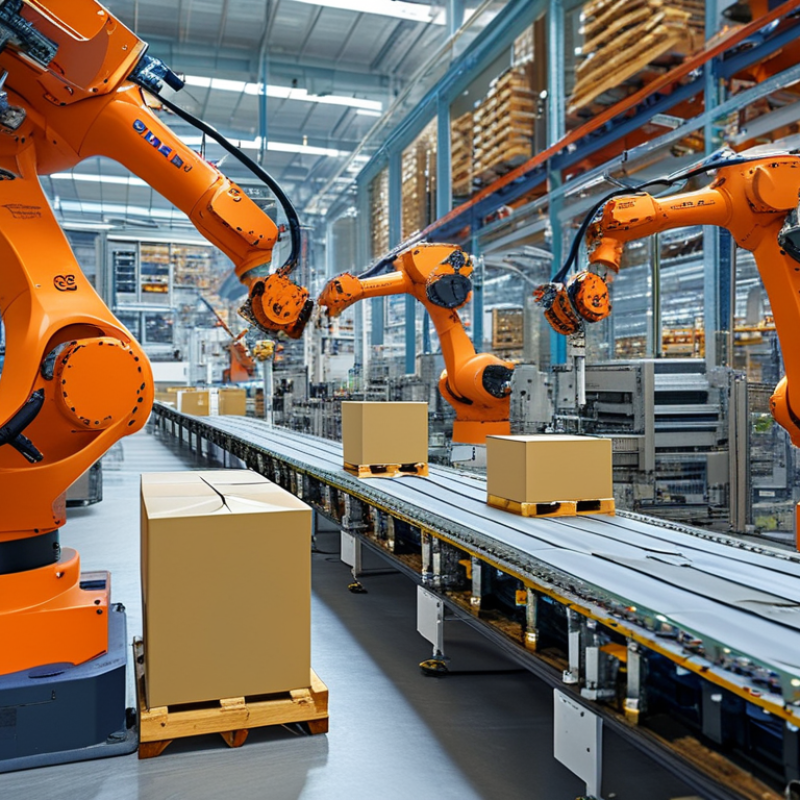
Robotic systems play a crucial role in packaging operations. Automated robots handle tasks with precision, reducing the likelihood of human error. Companies are beginning to recognize the limitations of traditional methods. Manual labor can be slow and inconsistent. By adopting automation, they can enhance productivity and focus on higher-value tasks, although this shift can lead to workforce challenges.
Integrating IoT in packaging processes has opened new possibilities. Sensors and connected devices provide insights into operations. However, the investment required can be daunting for small businesses. The benefits are clear, yet many must reflect on their readiness for such transitions. Balancing innovation and practicality is essential for sustainable growth.
Top 10 Labeling and Packaging Automation Solutions in China
| Rank |
Solution Type |
Key Features |
Target Industries |
Automation Level |
| 1 |
Automated Labeling |
High-speed application, precision placement |
Food & Beverage, Pharmaceuticals |
Fully Automated |
| 2 |
Carton Sealing |
Durable seals, adjustable settings |
E-commerce, Electronics |
Semi-Automated |
| 3 |
Shrink Wrapping |
Energy-efficient, secure packaging |
Cosmetics, Food |
Fully Automated |
| 4 |
Label Printing |
Custom designs, fast printing |
Retail, Health Products |
Fully Automated |
| 5 |
Filling Machines |
Accurate filling, adjustable speeds |
Beverage, Chemicals |
Fully Automated |
| 6 |
Palletizing Systems |
Efficient stacking, space optimization |
Logistics, Warehouse |
Fully Automated |
| 7 |
Conveyor Systems |
Smooth transport, customizable layouts |
Manufacturing, Food |
Semi-Automated |
| 8 |
Wrapping Machines |
Secure wraps, easy operation |
Retail, Ecommerce |
Fully Automated |
| 9 |
Case Packing |
Flexible packing, high output |
Beverages, Pharmaceuticals |
Fully Automated |
| 10 |
Inspection Systems |
Quality control, real-time monitoring |
All Industries |
Fully Automated |
Impact of Regulatory Standards on Packaging Automation Practices in China
The packaging industry in China faces significant challenges due to evolving regulatory standards. Compliance is critical for companies aiming to thrive. Regulations can change frequently, impacting the entire supply chain. This adds pressure on businesses to adapt quickly. Meeting these standards requires investments in automated solutions.
Integrating automation in labeling and packaging can enhance compliance. Efficient labeling systems ensure accurate product information. They reduce human errors that could lead to regulatory penalties. Companies should consider flexible automation solutions that can quickly adjust to new standards. The right technology can streamline processes and maintain compliance.
Tips: Stay informed on regulatory changes. Regularly review your packaging processes for compliance. Conduct training sessions for staff on new standards to minimize risk. Investing in reliable automation can pay off. Continuous improvement is key. Embrace change and adapt to new regulatory expectations.
Top 10 Labeling and Packaging Automation Solutions in China

 +86 15921716191
 Contact Phone
 Contact Email