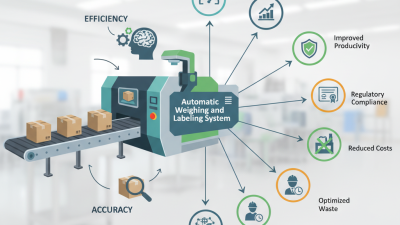
Top 10 Pharmaceutical Labeling Machines for Efficient Production
In the fast-paced world of pharmaceuticals, efficient production is critical. Pharmaceutical Labeling Machines play a vital role in ensuring accurate information on drug packaging. Reports indicate that the pharmaceutical industry is expected to reach a market size of over $1.5 trillion by 2023. This growth heightens the need for reliable labeling solutions.
The implementation of advanced labeling machines has improved accuracy and compliance. According to industry data, a 30% increase in labeling efficiency can significantly reduce production costs. However, manufacturers still face challenges, such as equipment malfunctions and human error. Such issues can impact production timelines and product reliability.
Investing in the right Pharmaceutical Labeling Machines is essential for both quality and speed. While many machines boast high speeds, not all meet regulatory standards. Companies must balance automation with compliance. The journey toward optimal labeling operations is ongoing, requiring adaptation and constant evaluation.

What are Pharmaceutical Labeling Machines?
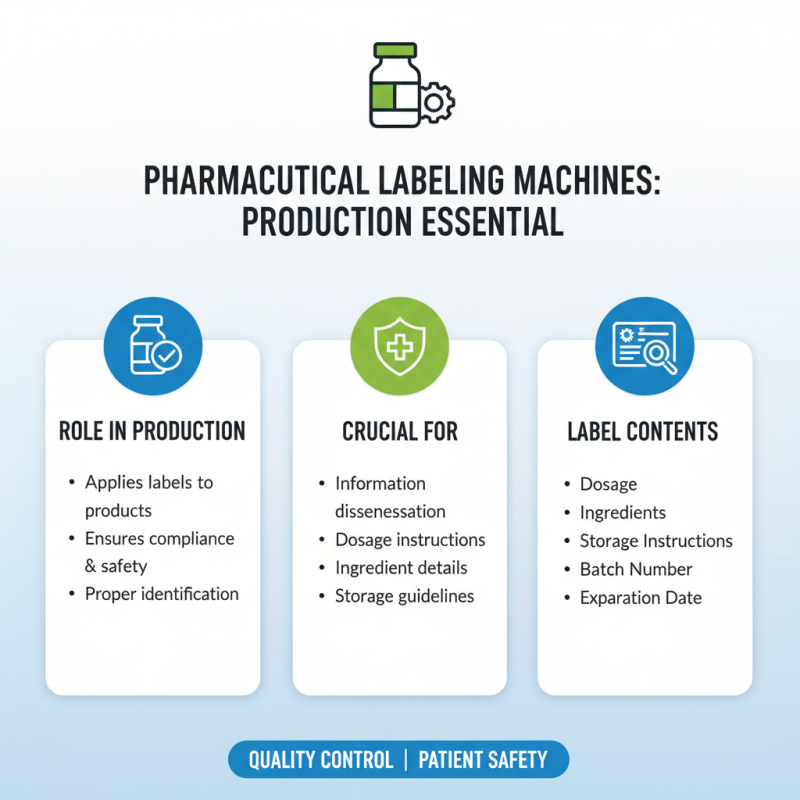
Pharmaceutical labeling machines play an essential role in the production process. These machines apply labels to various products, ensuring compliance and safety. They are crucial for proper identification and information dissemination. Labels may include dosage, ingredients, and storage instructions.
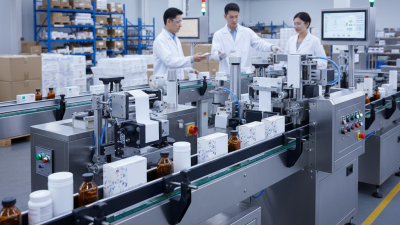
Efficiency is key in the pharmaceutical industry. Automated labeling machines speed up production and help minimize human error. They can handle different shapes and sizes of containers. Still, challenges exist. Machines may mislabel or create waste due to speed. Regular maintenance is crucial to keep machines functioning effectively. Operators must be trained to troubleshoot issues promptly.
Investing in the right labeling technology is vital for manufacturers. Not all machines fit every need. Some may lack flexibility for varying product lines. Features such as barcode printing or RFID capabilities may be necessary for optimal performance. The journey to finding the best solution can be complex, but it is essential for successful production.
Key Features to Look for in Labeling Machines
When choosing a pharmaceutical labeling machine, efficiency is key. Look for speed—a machine should be capable of labeling at least 150 bottles per minute. According to industry reports, optimizing labeling production can reduce operational costs by nearly 20%. This efficiency allows companies to meet high demand without sacrificing quality.
Accuracy is another crucial feature. Machines must ensure that labels are applied correctly. Mislabeling can lead to severe consequences and financial losses. Reports show that up to 30% of product recalls stem from labeling errors. Thus, investing in advanced sensors and vision systems can significantly enhance performance.
User-friendly interfaces are often overlooked but essential. Operators need machines that are easy to set up and adjust. Complicated setups can lead to downtime and frustration. Many machines nowadays offer touchscreen controls and intuitive design, promoting a smoother operation. Yet, companies still face challenges in staff training, which affects overall efficiency. Identifying such gaps in operation can lead to better outcomes.
Top 10 Pharmaceutical Labeling Machines: Key Features Comparison
Top 10 Pharmaceutical Labeling Machines Reviewed
In the fast-paced pharmaceutical industry, labeling machines play a crucial role. According to recent reports, efficient labeling can improve production speeds by up to 30%. These machines ensure accuracy, compliance, and streamline the overall process. Investing in advanced labeling technology can significantly reduce human error.
When selecting a labeling machine, consider its adaptability. Machines need to cater to different product sizes and shapes. Flexibility boosts efficiency. Additionally, the label application speed is key. High-speed machines can label up to 300 products per minute. With the right machine, it's easier to meet tight production schedules.
**Tip**: Always assess the machine’s maintenance needs. Regular updates and servicing can extend the life of your equipment.
Another factor is the integration with existing systems. A seamless interface ensures that data flows smoothly between labeling and packaging. It’s essential to train your staff effectively. Even with advanced machines, human oversight is vital. Mistakes do happen, and each label misplacement can lead to compliance issues.
**Tip**: Conduct periodic audits to check labeling accuracy. This step improves overall quality assurance.
Comparative Analysis of Labeling Machine Efficiency
The efficiency of pharmaceutical labeling machines plays a crucial role in the production process. Recent industry reports indicate that automation in labeling can improve production speed by up to 30%. This is significant for pharmaceutical companies that face pressure to expedite time-to-market while maintaining strict compliance with regulations.
However, not all labeling machines perform equally. Some models struggle with variable data printing, causing delays. According to a survey by a leading industry research firm, nearly 40% of manufacturers experience inefficiencies due to outdated machinery. These inefficiencies can lead to increased operational costs and potential compliance issues. Investing in modern machines is essential for minimizing such risks.
In addition, the ease of integration with existing production lines varies greatly among machines. A recent analysis highlighted that systems requiring extensive manual adjustments can hinder production flow. This reflects the need for clarity in operational requirements and machine capabilities. Companies must prioritize features that align with their specific production demands to avoid future headaches.
Impact of Labeling Technology on Pharmaceutical Production
Labeling technology plays a crucial role in pharmaceutical production. Accurate labeling ensures that patients receive the correct medication. Mislabeling can lead to serious health risks. Therefore, the importance of efficient labeling machinery cannot be overstated. These machines must be reliable and meet regulations.
Modern labeling machines offer various features. They can print, apply, and verify labels all in one process. This integration boosts productivity. However, these machines are not without flaws. Downtime can occur, affecting production schedules. Regular maintenance is essential to minimize these issues.
Investing in advanced labeling technology can optimize workflow. It improves accuracy and reduces waste. However, companies must continuously assess their equipment. What works today may not meet future needs. Adaptability is key in a rapidly changing industry. Embracing innovation while learning from past challenges can lead to better outcomes.
Top 10 Pharmaceutical Labeling Machines for Efficient Production
| Machine Model |
Labeling Speed ( bottles/min ) |
Label Accuracy (%) |
Features |
Price Range (USD) |
| Model A |
120 |
99.5 |
Automatic, Touchscreen, Compact Design |
$50,000 - $70,000 |
| Model B |
150 |
99.7 |
High Speed, Multi-Labeling, User-Friendly |
$60,000 - $80,000 |
| Model C |
100 |
99.0 |
Versatile, Easy Maintenance, PLC Control |
$40,000 - $60,000 |
| Model D |
130 |
99.8 |
Robust Design, Customizable Solutions |
$70,000 - $90,000 |
| Model E |
140 |
99.6 |
Flexible Labeling, High Throughput |
$55,000 - $75,000 |
| Model F |
110 |
99.4 |
Compact, Quick Changeovers |
$45,000 - $65,000 |
| Model G |
160 |
99.9 |
Automated, High Precision |
$65,000 - $85,000 |
| Model H |
125 |
99.5 |
Integrated Software, High-Speed Operation |
$50,000 - $70,000 |
| Model I |
135 |
99.8 |
User-Friendly Interface, Reliable |
$60,000 - $80,000 |
| Model J |
115 |
99.6 |
Energy Efficient, Low Maintenance |
$45,000 - $65,000 |

 +86 15921716191
 Contact Phone
 Contact Email