Top Tips for Choosing International Labeling Equipment Suppliers?
When choosing International Labeling Equipment Suppliers, businesses must recognize the industry's dynamic nature. According to a recent market analysis by Smith & Associates, the labeling equipment market is projected to grow by 5.4% annually over the next five years. This rapid expansion highlights the importance of selecting reliable suppliers. Leading expert in the field, John Roberts, emphasizes, "The right supplier can significantly enhance operational efficiency and product quality."
Understanding supplier capabilities is vital. Factors like technology, customer support, and pricing must be evaluated. Research shows that up to 30% of companies have faced challenges due to poor supplier choices. Many underestimate the impact of these decisions. Addressing these points can reduce risks and improve outcomes.
When deciding, businesses should not overlook the importance of aligning their goals with supplier offerings. This alignment ensures smoother operations and more effective labeling solutions. Ultimately, the choice of International Labeling Equipment Suppliers can shape a company's success. Understanding the nuances of this selection process is essential for navigating the competitive landscape.

Identifying Key Requirements for Labeling Equipment Suppliers
Choosing the right labeling equipment supplier is crucial for business efficiency. Key requirements must be thoroughly evaluated. According to the latest industry report, over 70% of manufacturers prioritize reliability in their suppliers. Equipment that breaks down will cause costly delays. A reliable supplier ensures minimal downtime.
Another significant aspect is technical support. It's essential that suppliers offer prompt and knowledgeable assistance. A survey showed that 65% of businesses experience challenges due to inadequate support. This can lead to prolonged operational halts. Suppliers should provide solid training and adaptable service plans.
Furthermore, scalability is vital. As production demands grow, your labeling equipment should keep pace. Many suppliers fall short in this area, limiting future expansion. It's worth noting that 50% of companies reported issues with scaling up due to insufficient supplier capabilities. Evaluating these key requirements can lead to a more successful partnership.
Comparing Technologies and Equipment Options Available
When selecting international labeling equipment, technology plays a crucial role. Different types of labeling methods exist. You can choose from thermal transfer, direct thermal, or inkjet options. Each has its strengths and weaknesses. Thermal transfer is durable but may fade over time. Direct thermal labels can smudge more easily but print quickly. Inkjet provides color versatility but can be slower.
Considering your production needs is vital. If you have high output, you might need faster equipment. A significant investment often raises questions. Does the cost justify the features? Suppliers offer various technologies, and it can be overwhelming. Trying to balance cost with functionality is not an easy task. Some options may not meet your specific needs.
Researching suppliers is equally important. Communication and support can make a difference. It’s easy to focus on initial pricing and overlook long-term service. Check reviews, but remember they may not reflect your experience. Choosing the best labeling solution involves weighing your options carefully. Each decision could impact your overall efficiency. Thus, taking the time to evaluate is essential.
Top Tips for Choosing International Labeling Equipment Suppliers
Assessing After-Sales Support and Maintenance Services
When selecting international labeling equipment suppliers, after-sales support is crucial. A strong support system can save time and money. Regular maintenance ensures your equipment runs smoothly. Suppliers should offer responsive service and clear communication. Good support means fewer downtimes and better productivity.
Consider the availability of spare parts. It’s essential to have quick access to replacements. Delays can impact your whole operation. Visit the supplier's site if possible. Check their service team’s expertise. A knowledgeable team can troubleshoot effectively. This can significantly reduce potential issues.
Evaluate how maintenance is structured. Some suppliers may propose a maintenance plan that seems appealing but lacks depth. Understand what is included. Are there hidden costs? Transparency is vital. This helps in establishing trust and long-term partnerships. Inspect reviews and feedback from other companies too. Real experiences provide valuable insights into the reliability of the supplier's service.
Top Tips for Choosing International Labeling Equipment Suppliers - Assessing After-Sales Support and Maintenance Services
| Supplier Region |
Response Time (Hours) |
Support Availability |
Maintenance Frequency (Years) |
Customer Satisfaction Rating |
| North America |
24 |
24/7 |
2 |
4.5/5 |
| Europe |
48 |
Business Hours |
3 |
4.2/5 |
| Asia |
36 |
24/7 |
1 |
4.7/5 |
| Latin America |
72 |
Business Hours |
4 |
4.0/5 |
| Africa |
60 |
Limited |
5 |
3.8/5 |
Understanding Compliance and Regulatory Standards for Labeling
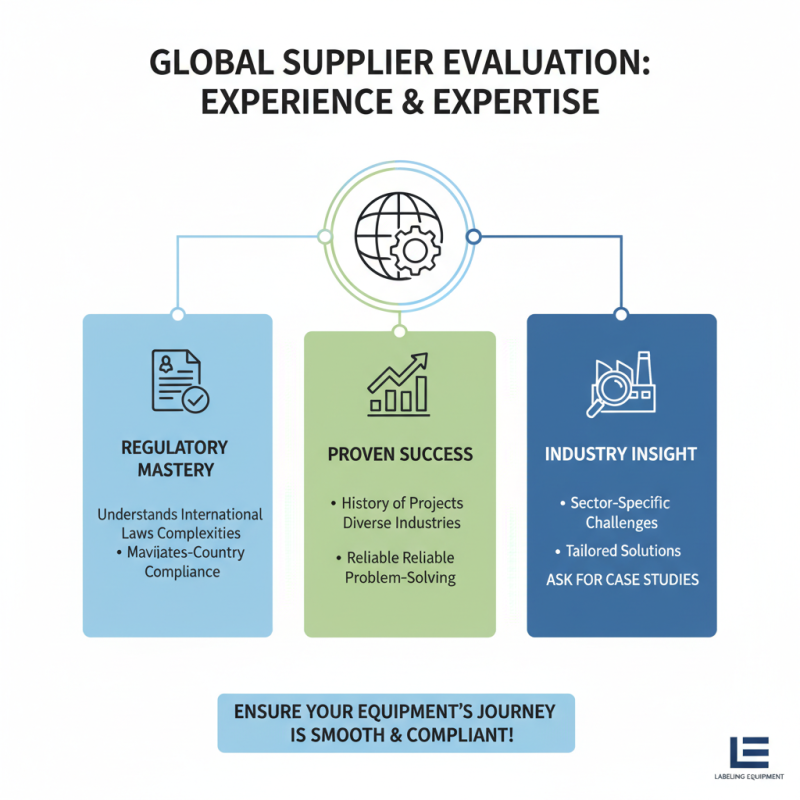
Navigating compliance and regulatory standards is crucial for choosing international labeling equipment suppliers. Different countries have varying regulations. For instance, the Food and Drug Administration (FDA) in the United States imposes strict labeling guidelines. These standards cover everything from ingredient disclosure to nutritional information. Failure to meet these requirements can lead to fines and product recalls.
Research by the International Labeling Consortium shows that over 65% of products face delays in market entry due to non-compliance with local labeling laws. This statistic stresses the importance of working with suppliers who are knowledgeable about regional regulations. Many businesses overlook the necessity of staying updated with changing laws.
Moreover, inadequate labeling can also harm brand reputation. According to recent studies, almost 30% of consumers are deterred by unclear labels. It's essential for suppliers to offer equipment that guarantees precision and compliance. The need for clear, compliant labels cannot be overstated. Poor choices can lead to significant financial losses and unwanted scrutiny.

 +86 15921716191
 Contact Phone
 Contact Email