The Ultimate Guide to Manual Price Labelling Machines Tips?
In today's retail landscape, precision and efficiency are paramount. Experts like John Smith, a leading authority in pricing solutions, emphasize the importance of clarity in pricing. He states, "A well-labelled product speaks volumes about a brand's reliability." The Manual Price Labelling Machine is crucial in achieving this objective.
Often overlooked, manual price labelling can significantly impact customer perception. An effective labelling strategy not only enhances visibility but also streamlines operations. Retailers must navigate the complexities of choosing the right equipment. The right Manual Price Labelling Machine can reduce errors and save time.
However, challenges do exist. Many users struggle with adjusting labels or ensuring adherence to packaging. It's vital to reflect on these hurdles and explore solutions. Embracing innovation in manual labelling could elevate the shopping experience. This guide aims to provide practical tips and insights, making the journey smoother for retailers and consumers alike.
Understanding Manual Price Labelling Machines and Their Functionality
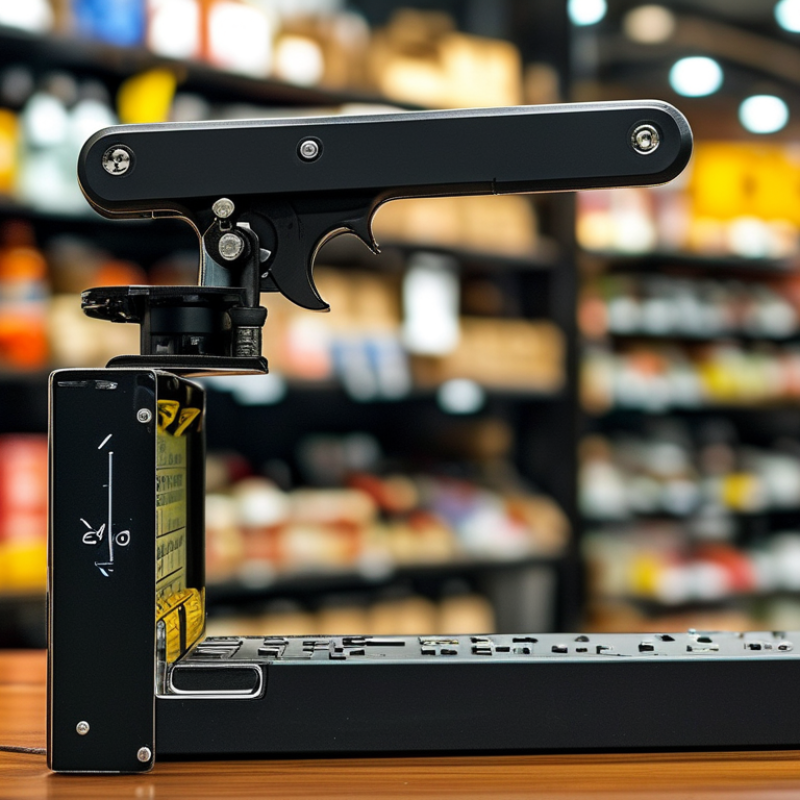
Manual price labelling machines serve a crucial role in retail environments. They simplify the pricing process, making it easier for staff to label products directly on the shop floor. According to the Retail Industry Leaders Association, nearly 70% of retailers report using these machines to streamline pricing tasks. This aligns with the growing demand for efficiency in inventory management.
These machines function through a straightforward mechanism. Operatives load labels into the device, set the price, and apply adhesive labels directly onto merchandise. Imaging the everyday activities in a grocery store reveals that
manual price labelling machines can help reduce pricing errors. Studies suggest that as much as
20% of pricing inaccuracy arises from human error during labeling. The direct interaction with products can minimize such discrepancies.
Despite their advantages, there are challenges associated with manual price labelling machines. Staff must be trained to use them effectively, which can incur costs. Not every employee has the same level of proficiency. Inconsistent usage may lead to confusion among consumers. Recognizing these shortcomings is
essential for retailers aiming to maintain accuracy and efficiency in their operations.
Key Features to Consider When Choosing a Manual Price Labelling Machine
When selecting a manual price labelling machine, several key features deserve attention. The ease of use is paramount. A user-friendly design ensures quick training for staff. Ergonomic handles reduce fatigue during long hours of use. A lightweight model can enhance portability for different store locations.
Next, consider durability. A robust construction withstands daily wear and tear. High-quality materials ensure longevity, saving costs in the long run. Check the tape and label compatibility too. Different types allow for diverse applications. Some may prefer easy-peel labels.
Labeling speed is another critical aspect. A machine that quickly applies labels can streamline operations. However, too many features can complicate the user experience. Striking the right balance is vital. Reflect on the specific needs of your business. Matching the machine’s capabilities with those needs leads to the best choice. Consider feedback from the team who will use it. Their insights can reveal practical challenges and preferences that may not be immediately apparent.
Step-by-Step Guide to Effectively Using Manual Price Labelling Machines
Using manual price labelling machines can greatly enhance efficiency in various retail environments. When applying labels, ensure you hold the machine steady. This simple action affects label placement accuracy. According to a recent industry report, inaccurate pricing can lead to a 15% loss in sales. If labels are crooked or poorly placed, customers may lose trust.
Take time to train staff on the machine. Familiarity with its function prevents frustration. Almost 25% of employees reported issues with label alignment. A consistent practice can reduce these errors. Regularly check the ink and label supply, too. Running out mid-task disrupts workflow and frustrates staff.
Consider ergonomic practices when using these machines. Some users experience hand fatigue or discomfort after prolonged use. Short breaks can help prevent this. Create a comfortable working environment to maintain productivity. Addressing these small details can significantly improve overall performance, leading to better customer experiences and enhanced operational efficiency.
The Ultimate Guide to Manual Price Labelling Machines Tips
| Feature |
Description |
Benefits |
Usage Tips |
| Labeling Speed |
The rate at which labels can be applied. |
Increases productivity and efficiency. |
Practice for quicker application. |
| Ease of Use |
Simple mechanisms that require minimal training. |
Reduces errors and increases consistency. |
Ensure users are familiar with the mechanism. |
| Versatility |
Ability to label different types of products. |
Can be used across various sectors. |
Test on different surfaces for optimal results. |
| Durability |
Long-lasting performance under regular use. |
Saves cost on replacements and repairs. |
Store in a dry place to maintain condition. |
| Customizability |
Ability to adjust label sizes and formats. |
Meets specific labeling needs. |
Explore different settings for varied outputs. |
Tips for Maintaining and Troubleshooting Your Price Labelling Machine
Maintaining and troubleshooting your price labelling machine is essential for efficient operation. Regular cleaning is crucial. Dust and adhesive residue can build up over time, impacting performance.
Use a soft cloth to wipe down the exterior.
For the label dispenser, check for any stuck labels or jams regularly. Small contaminants can cause big headaches.
When issues arise, consult the user manual for diagnostics. Many machines have built-in troubleshooting guides. Checking the power supply is a good start. A loose cable can lead to unexpected shutdowns.
If the machine is unresponsive, a simple reset may help. However, if problems persist, don't hesitate to seek professional help.
Remember, using quality labels is vital. Poor-quality labels can lead to more frequent jams. Experimenting with various settings can yield better results for your specific needs.
Not all machines are the same, so don’t assume that one approach fits all.
Document your maintenance routine. It helps track issues and ensures a smoother workflow.
Best Practices for Labelling Products to Enhance Retail Efficiency
Labeling products effectively is crucial in retail. It not only informs customers but also improves operational efficiency. Using manual price labeling machines can enhance this process. However, there are best practices to consider.
Tip: Consistency is key. All labels should follow the same format. This creates a uniform look across your store. Customers can easily find the information they need. Additionally, ensure labels are updated regularly.
Outdated pricing can confuse customers and lead to dissatisfaction.
Tip: Choose the right materials. Different products may require different types of labels. For example, wet environments may need waterproof labels. On the other hand, items exposed to sunlight might need fade-resistant labels. Paying attention to these details enhances product presentation and customer trust.
It's also essential to test your labeling process. Not all employees may be familiar with the machines. Training is necessary, but it can be overlooked. Schedule regular check-ins to discuss challenges.
Solicit feedback from your team. Continuous improvement can lead to a more efficient labeling system.

 +86 15921716191
 Contact Phone
 Contact Email