Advanced Labeling And Packaging Solutions Tips for Success in Your Business?
In the fast-paced world of consumer goods, the importance of Advanced Labeling And Packaging Solutions cannot be overstated. A recent report from Smithers Pira indicates that the global packaging market is expected to reach $1 trillion by 2024. This growth highlights the critical role that labeling and packaging play in attracting consumers and ensuring brand recognition.
However, achieving success in this competitive landscape is not straightforward. Companies often struggle to balance innovative designs with regulatory compliance. Advanced labeling solutions must not only capture attention but also communicate essential information clearly. The 2021 Packaging Design Trends report noted that 55% of consumers prefer eco-friendly packaging, reflecting growing market demands for sustainability.
Despite the clear advantages, businesses frequently overlook the details that drive success. Many fail to keep up with the latest technologies, risking obsolescence. Packaging errors or outdated designs can lead to diminished brand trust. In an era where first impressions are critical, embracing advanced solutions is more than a trend; it is a necessity for future growth.

Understanding the Importance of Labeling and Packaging in Business Success
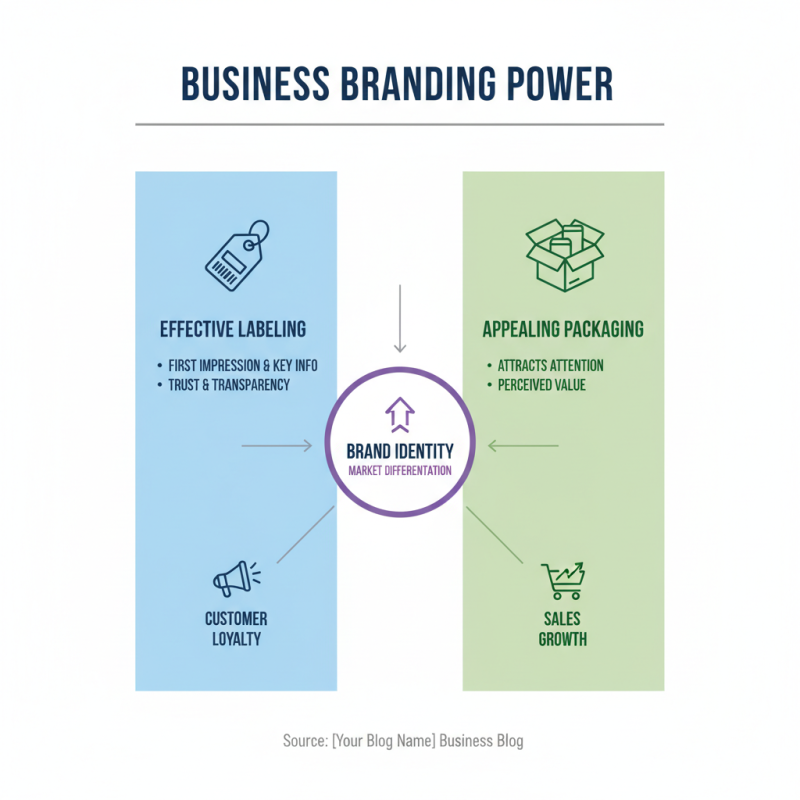
In the world of business, effective labeling and packaging are crucial. They are often the first impression that customers have of your product. Well-designed labels convey key information, while appealing packaging can draw attention. This combination helps establish brand identity and can set your product apart from competitors.
Tips for successful labeling include ensuring clarity. Text must be easy to read, and key details should stand out. Use colors that align with your brand but also attract attention. Packaging should reflect the value of the product inside. Consider materials that are durable yet visually appealing. A package that looks and feels high-quality can influence purchasing decisions.
Don't overlook the power of sustainability. Many consumers prefer eco-friendly packaging. This adds a level of sophistication and responsibility to your brand. Reflect on your packaging choices. Are they environmentally friendly? If not, it might be time to rethink your strategy. Focusing on these details can significantly impact customer perception and loyalty.
Key Elements of Effective Labeling Strategies for Your Products
Effective labeling strategies are essential for product success. A well-designed label not only informs but also attracts consumers. According to a recent study by the Global Packaging Alliance, nearly 70% of customers admit to purchasing products based solely on their packaging. This highlights the importance of investing time in label design.
First, clarity is key. Labels should clearly communicate product information. A confusing label can lead to customer frustration. The same report noted that 60% of consumers felt overwhelmed by unclear labeling. Simplicity can enhance understanding. Use easy-to-read fonts and bold colors that catch the eye.
Next, consider compliance and regulations. In a world where packaging guidelines are constantly changing, staying informed is challenging. Failing to adhere to these can result in costly recalls. A survey from the International Labeling Association found that 45% of businesses faced fines due to non-compliance issues. Regular audits of labeling strategies are crucial to avoid such pitfalls. Balancing creativity with legal standards is an ongoing struggle for many businesses.
Innovative Packaging Designs to Enhance Brand Identity
Innovative packaging designs can significantly enhance brand identity. The visual appeal of your packaging often makes the first impression on customers. Unique shapes, vivid colors, and eco-friendly materials can catch their eye. Use packaging to tell your story. For instance, a delightful unboxing experience can build customer loyalty. Brands often overlook the power of textures and materials. A soft-touch finish or embossed logo can make customers want to hold the product longer.
Implementing innovative designs may present challenges. You might have a brilliant idea but struggle with production limits or costs. Balancing creativity with practicality is crucial. Sometimes, feedback reveals that an idea, though appealing, did not translate well in real life. Consider testing designs on a small scale before a full launch. This step prevents costly mistakes and allows for adjustments. Evaluating the design process critically can lead to breakthroughs in packaging effectiveness.
Be mindful of the emotions your packaging evokes. Does it communicate your brand's values? Many brands miss this connection. Packaging shouldn't just look good; it should resonate with your audience. Simple mistakes in messaging or imagery can confuse customers. Regular reflection on your packaging’s performance is essential for growth. Continually refine your approach to design, aligning it with your brand's mission.
Advanced Labeling And Packaging Solutions: Impact on Brand Identity
Best Practices for Regulatory Compliance in Labeling and Packaging
Effective labeling and packaging are critical for
regulatory compliance. According to a report by the Compliance Institute,
over 50% of companies face issues with non-compliance, resulting in costly fines. Accurate labels ensure
products meet safety requirements. They also allow consumers to make informed choices. Mislabeling
can lead to serious health hazards. The FDA emphasizes the importance of clear, concise information on packaging.
Using the right materials is another key element. Research indicates that
70% of consumers consider sustainability in their purchase decisions. Eco-friendly
packaging can enhance your brand image. However, not all biodegradable options meet regulatory standards. Companies must verify their
claims to avoid backlash. Transparency in labeling builds trust. Yet, many companies overlook
this in the rush to market.
Regular audits of labeling practices are essential. It helps identify gaps in compliance. A study found that
65% of companies fail to regularly update their packaging to reflect
new regulations. This oversight can create risks. Engaging experts in regulatory affairs is a step many businesses shy away from.
Yet, it can save time and reduce potential liabilities. Continuous training for staff is equally important
for maintaining compliance standards.
Leveraging Technology for Advanced Labeling and Packaging Solutions
In today's competitive market, leveraging technology for advanced labeling and packaging solutions is essential. Recent reports indicate that the global smart labels market is projected to reach $18 billion by 2027. This growth reflects the increasing demand for smarter, more efficient packaging solutions. Brands that adopt these technologies can enhance their operational efficiency and reduce costs.
Integrating automation into labeling processes can lead to significant improvements. For instance, companies using automated labeling systems can cut labor costs by 20%. However, this technology requires continuous investment in training and maintenance. Not all companies can manage the transition smoothly, often leading to inefficiencies during adaptation.
Moreover, investing in sustainable packaging materials is increasingly important. Approximately 75% of consumers prefer eco-friendly packaging. Yet, many businesses struggle to balance sustainability and cost-effectiveness. This challenge requires ongoing evaluation and innovation. Keeping up with evolving technologies in labeling and packaging is vital. The benefits can be significant, but they come with risks and challenges that need addressing.
Advanced Labeling and Packaging Solutions Tips for Success in Your Business
| Dimension |
Description |
Technology Used |
Benefits |
| Labeling Automation |
Use of machines to apply labels automatically. |
Labeling Machines, Software Integration |
Increases efficiency, reduces labor costs. |
| Smart Packaging |
Packaging embedded with sensors or QR codes. |
RFID, NFC Technology |
Enhances customer engagement, enables tracking. |
| Sustainability |
Using eco-friendly materials for packaging. |
Biodegradable Plastics, Recycled Materials |
Reduces environmental impact, appeals to eco-conscious consumers. |
| Custom Label Design |
Creating unique and appealing label designs. |
Design Software, Digital Printing |
Enhances brand identity, attracts more customers. |
| Inventory Management |
Efficient tracking and management of stock levels. |
Inventory Software, Barcode Scanners |
Minimizes stockouts and overstocks, optimizes warehouse use. |

 +86 15921716191
 Contact Phone
 Contact Email