What is Automated Production Line Equipment and How Does It Work?
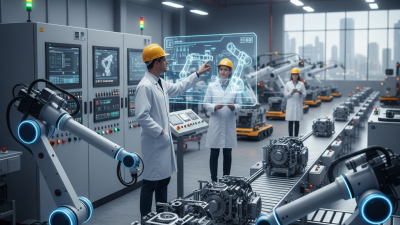
In today's manufacturing landscape, Automated Production Line Equipment plays a pivotal role in enhancing efficiency. Dr. Emily Zhang, an expert in industrial automation, states, "The integration of automated systems can drastically reduce production time and costs." This insight highlights the growing importance of automation in various sectors.
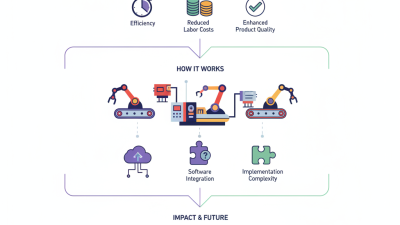
Automated Production Line Equipment streamlines processes, ensuring consistent quality and speed. These systems utilize advanced robotics and software to handle repetitive tasks. They can adapt to different products with minimal downtime. However, implementing this technology requires significant investment and expertise. Companies must weigh the benefits against the complexities involved.
While many organizations embrace these innovations, challenges persist. Some may struggle with the transition from manual to automated processes. Understanding the requirements and potential barriers is crucial for success. Ultimately, the effectiveness of Automated Production Line Equipment depends on thoughtful implementation and continuous improvement.
Definition of Automated Production Line Equipment
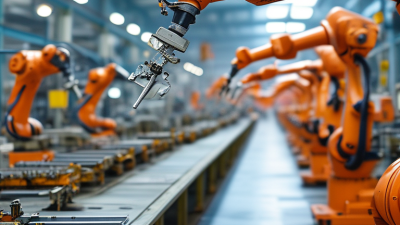
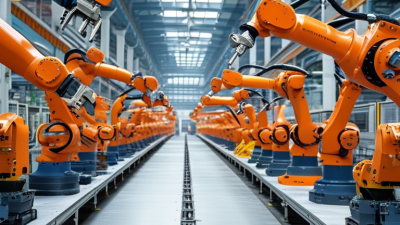
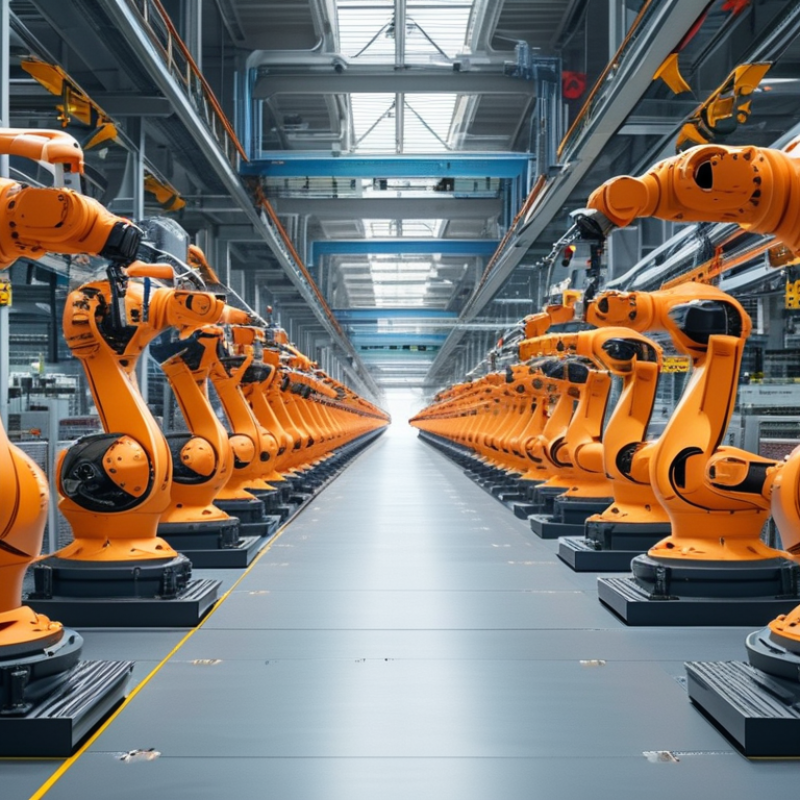
Automated production line equipment refers to systems designed to automate the manufacturing process. These systems utilize various technologies to perform tasks without human intervention. They typically include conveyor belts, robotic arms, and sensors that communicate with one another. This integration enhances efficiency, speed, and accuracy in production environments.
In simple terms, automated production lines streamline operations by reducing manual labor. They can assemble products, handle materials, and even conduct quality checks. For instance, robotic arms can pick and place items swiftly, while sensors ensure everything is in the right place. This technology helps businesses save time, but it's not perfect. Malfunctions can occur, disrupting the workflow and causing delays.
While automation offers numerous benefits, it's essential to consider its limitations. Not all tasks can be automated seamlessly. Some processes require human insight, creativity, or adaptability. Businesses must frequently assess the performance of their automated systems. Regular maintenance and updates are critical for optimal operation. So, while automated production line equipment is a game-changer, continuous reflection and improvement are necessary.
Types of Automated Production Line Equipment
Automated production line equipment plays a crucial role in modern manufacturing.
It streamlines processes, increases efficiency, and reduces human error. Various types of equipment ensure that production runs smoothly.
Conveyors are essential for moving products between different stages. They come in various types, such as belt and roller conveyors, designed for specific materials. Robotic arms handle tasks that require precision. They can assemble, pick, and package items with incredible accuracy. Additionally, automated guided vehicles (AGVs) transport materials throughout the production area, enhancing workflow.
Tip: Always evaluate the space where equipment will be placed. This ensures smooth operations and reduces potential bottlenecks.
Quality control systems are vital. They monitor products at various stages to maintain standards. Sensors and cameras detect defects, ensuring only high-quality goods leave the line. Implementing this technology can prevent costly recalls.
Tip: Regular maintenance is essential for equipment longevity. Schedule periodic checks to avoid unexpected downtimes.
In conclusion, while automated production lines offer significant advantages, they require thoughtful planning and execution. Understanding the strengths and weaknesses of each type of equipment will lead to a more efficient production environment.
Components of an Automated Production Line
Automated production line equipment is a game changer in manufacturing. It enhances efficiency and consistency. The main components include conveyor systems, robotic arms, and control software. Each plays a vital role in streamlining production.
Conveyor systems move materials and products between stations. They use different types, such as belt or roller conveyors. These systems can be customized for specific production needs.
Robotic arms perform tasks like welding, assembling, or packaging. Their precision reduces errors and increases speed. Control software manages the flow of operations, ensuring synchronization among various components.
Tips: Monitor the performance of each component regularly. Regular maintenance helps prevent unexpected failures. Consider how each element interacts with others. A failure in one area can disrupt the entire line. Automation can be complex and may require adjustments. Flexibility in operations can enhance productivity over time. Evaluate your processes continuously for improvements.
How Automated Production Line Equipment Operates
Automated production line equipment is designed to streamline manufacturing processes. It integrates several machines and technologies to create a seamless workflow. Typically, these systems include conveyors, robotic arms, and specialized tools. Each component plays a specific role in enhancing efficiency.
The operation of these machines relies on precise programming and synchronization. For example, sensors monitor production speeds and detect any malfunctions. If a robot arm fails to pick up an item, it can cause a chain reaction. Such moments highlight the importance of regular maintenance and monitoring. Even with advancements, unforeseen challenges can arise, requiring quick problem-solving.
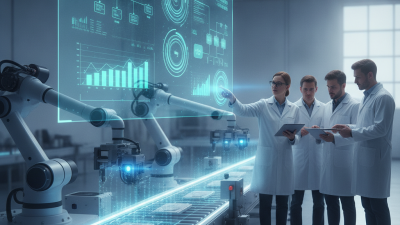
Additionally, data analytics play a crucial role. Operators can analyze performance metrics in real-time. This insight helps in identifying bottlenecks and optimizing the production cycle. However, dependency on technology can pose risks. A system malfunction could halt production entirely. Striking a balance between automation and human oversight remains essential for optimal operation.
Benefits of Implementing Automated Production Lines
Implementing automated production lines offers numerous benefits for modern manufacturing. Increased efficiency is one of the primary advantages. Automated systems work tirelessly, reducing production time significantly. They can operate 24/7 without breaks, which enhances output. This high level of productivity can lower operational costs, making it easier for companies to scale.
Quality control is another key benefit. Automated equipment consistently performs tasks with precision. This results in fewer defects compared to manual processes. However, it’s important to monitor these systems routinely. Sometimes, equipment can malfunction or produce errors. Regular checks ensure the quality of products remains high.
Additionally, workforce safety improves as a result of automation. Dangerous tasks can be assigned to machines, reducing the risk of accidents. Nevertheless, businesses need to consider employee retraining. Transitioning to automation can create gaps in skills. Organizations must ensure staff are equipped to work alongside automated systems effectively.
Impact of Automated Production Lines on Manufacturing Efficiency

 +86 15921716191
 Contact Phone
 Contact Email