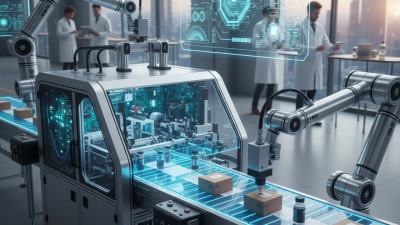
Top Automated Production Line Equipment in China for Global Buyers?
As global manufacturers seek efficiency, China has emerged as a leading hub for Automated Production Line Equipment. This equipment enhances productivity and reduces operational costs. Buyers from various industries are more interested in sourcing reliable solutions, specifically tailored to meet their unique production needs.
China's manufacturing landscape offers a wide range of automated systems, from robotics to conveyor belts. These solutions enable quick adaptations to market demands. However, navigating this vibrant market requires expertise. Potential buyers must assess both the quality and the reputation of suppliers carefully.
Challenges persist as well. Many automated systems might not seamlessly integrate with existing infrastructures. Buyers must ensure compatibility, which often necessitates additional investments. Understanding local suppliers and their capabilities is crucial for making informed decisions. Ultimately, the pursuit of top-notch Automated Production Line Equipment requires diligence and insight from global buyers.
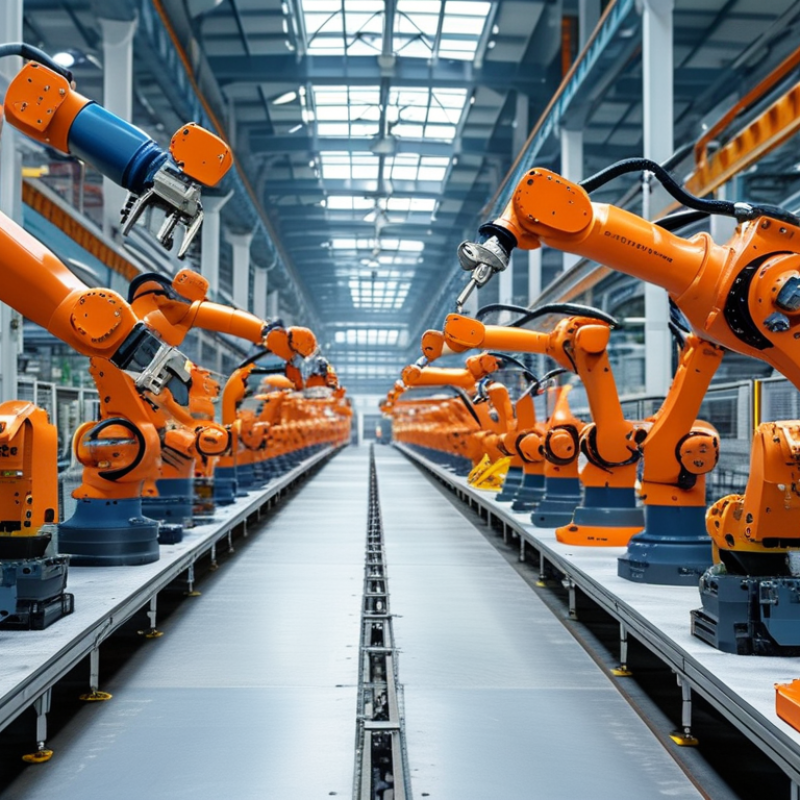
Overview of Automated Production Line Equipment in China
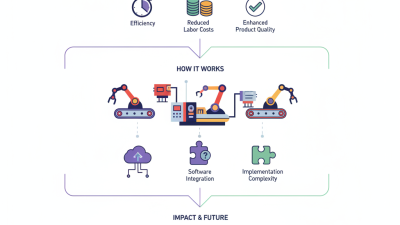
China has emerged as a leading hub for automated production line equipment, driven by rapid technological advancements. A report from the China Machinery Industry Federation highlights that the country’s manufacturing output reached over $4 trillion in recent years, showcasing the significance of automation in enhancing production efficiency. Automated systems help reduce labor costs and improve quality control, making them essential in various sectors, such as electronics, automotive, and consumer goods.
In 2022, approximately 52% of Chinese manufacturing companies adopted some form of automation. This shift is largely attributed to competitive pressures and the need for increased productivity. Implementing automated solutions can lead to a reported 30% increase in output efficiency, according to industry analysts. However, firms must consider initial investments, which can be substantial. Many businesses are still navigating the best routes to automation, leading to varied results in efficiency gains.
Tips: When considering automation, assess your specific production needs first. It's important to tailor solutions rather than adopting a one-size-fits-all model. Additionally, continuous training for workers is vital. The human element in automated environments cannot be overlooked. Ensure that your workforce is equipped to handle new technology for optimal outcomes.
Key Advantages of Sourcing Production Equipment from China
Sourcing production equipment from China presents significant benefits for global buyers. A report by McKinsey highlights that around 70% of manufacturers believe cost-effectiveness is a top reason for sourcing from China. Labor costs in China are notably lower than in many developed countries. This can lead to substantial savings, allowing companies to invest more in R&D or marketing.
The supply chain efficiency in China is another critical advantage. Leading manufacturers benefit from a vast network of suppliers and distributors. According to a report from Deloitte, 60% of firms noted that sourcing from China improved their supply chain resilience. However, attention to quality control is essential. While Chinese manufacturers provide competitive prices, potential buyers must ensure rigorous quality assessments to mitigate risks.
Moreover, technological advancements in China have led to enhanced automation processes. In 2022, the National Bureau of Statistics of China reported a 16% growth in automation technology adoption among manufacturing firms. This promises higher productivity and reduced operational errors. Yet, it’s crucial for buyers to remain vigilant about compliance with international standards, as disparities may exist. Effective communication and collaboration with manufacturers can help bridge these gaps for a smoother sourcing experience.
Leading Manufacturers of Automated Production Line Equipment
China has become a hub for automated production line equipment. Numerous manufacturers have emerged, producing innovative machines that enhance production efficiency. These companies focus on automation technology to streamline processes. They aim to reduce labor costs while increasing output quality.
Leading manufacturers in China prioritize research and development. They invest in new technologies to stay competitive. However, not all companies maintain high standards consistently. Some face quality control issues, which can impact trust. Buyers need to examine product specifications and certifications carefully.
Flexibility in manufacturing is essential. Many devices can be customized for specific needs. This adaptability is a strong selling point. However, potential buyers should consider after-sales support. Not all manufacturers offer reliable service post-sale. This gap can lead to operational interruptions, making thorough research vital.
Innovative Technologies Driving China's Production Line Automation
China's manufacturing sector is experiencing a significant transformation driven by innovative technologies. Automation in production lines is not just a trend; it's a necessity. According to a report by the International Federation of Robotics, China has dominated the global market for industrial robots, accounting for nearly 36% of global installations in recent years. This adoption accelerates efficiency and reduces error rates in various industries.
Factors such as artificial intelligence and machine learning play crucial roles in this evolution. These technologies enhance predictive maintenance and optimize supply chains. For instance, AI-powered robots can learn from their environment, improving their performance over time. However, challenges remain. Integration of new technologies can be complex and costly for traditional manufacturers.
Tip: Stay informed about advancements in automation. Understanding emerging technologies can provide a competitive edge. Data from McKinsey suggests that companies investing in automation can experience productivity gains of 20-30%.
While the benefits are clear, some manufacturers struggle with the transition. Resistance to change and lack of skilled workers complicate matters. Continuous training and development are vital. Engaging with local institutions for workforce preparedness can help bridge the skill gap.
Top Automated Production Line Equipment in China
Market Trends and Future Outlook for Automated Equipment in China
China has become a hub for automated production line equipment. There is a noticeable shift towards smart manufacturing. More companies are investing in technologies, like AI and IoT. These advancements aim to boost efficiency and reduce costs. Global buyers often seek access to China's innovative solutions. However, navigating this market can be complex.
Emerging trends reveal an increased focus on customization. Manufacturers are leveraging data analytics to tailor solutions for specific industries. Additionally, sustainability has become a priority. Many enterprises are seeking energy-efficient machines. Yet, challenges remain. Quality control issues can arise, impacting reliability. Buyers must conduct thorough research to ensure they choose the right equipment.
The future of automated equipment in China looks promising. Advanced robotics and intelligent systems are on the rise. Companies must stay informed to capitalize on these developments. However, recognizing potential pitfalls is crucial. It is essential to assess not just the technology, but also the support services available. As the market evolves, so do the opportunities and risks for global buyers.
Top Automated Production Line Equipment in China for Global Buyers
| Equipment Type |
Technological Features |
Market Demand (2023) |
Growth Rate (2024-2028) |
Key Industries |
| Robotic Arm |
High precision, flexibility, and adaptability |
$1.5 billion |
15% |
Automotive, Electronics |
| Conveyor Systems |
Modular design, scalability, energy-efficient |
$800 million |
10% |
Food Processing, Packaging |
| Automated Guided Vehicles (AGVs) |
Navigation systems, load carrying, autonomous operation |
$650 million |
12% |
Warehouse, Manufacturing |
| 3D Printers |
Rapid prototyping, material versatility, low waste |
$500 million |
25% |
Aerospace, Medical |
| Packaging Machines |
Smart controls, high-speed operation, customizable |
$980 million |
8% |
Beverage, Consumer Goods |

 +86 15921716191
 Contact Phone
 Contact Email