2026 Best Automated Production Line Equipment for Global Buyers?
As industrial demands evolve, the need for effective Automated Production Line Equipment rises sharply. In 2023, the global automated manufacturing market reached $200 billion. Experts predict a growth of approximately 10% annually through 2026. This surge reflects increased efficiency and reduced labor costs. Many industries are adopting sophisticated machinery to enhance production processes.
However, selecting the best equipment can be daunting for global buyers. Factors such as compatibility, scalability, and technology integration often complicate decisions. Companies must ensure that their chosen solutions meet stringent industry standards and reliability benchmarks. Investing in quality equipment is crucial. A 2022 report from the Association for Advancing Automation highlighted that subpar equipment can lead to production delays and increased operational risks.
Choosing the right Automated Production Line Equipment requires careful consideration. Buyers must reflect on their specific needs and future scalability. Not every investment pays off immediately. Some may find themselves reassessing their choices to avoid costly mistakes. Understanding this landscape is essential for making informed decisions that align with today's fast-paced manufacturing environment.
Overview of Automated Production Line Equipment
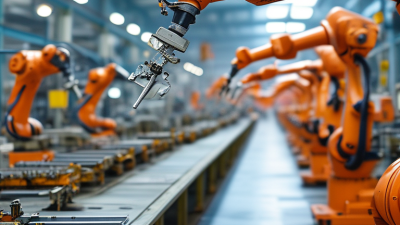
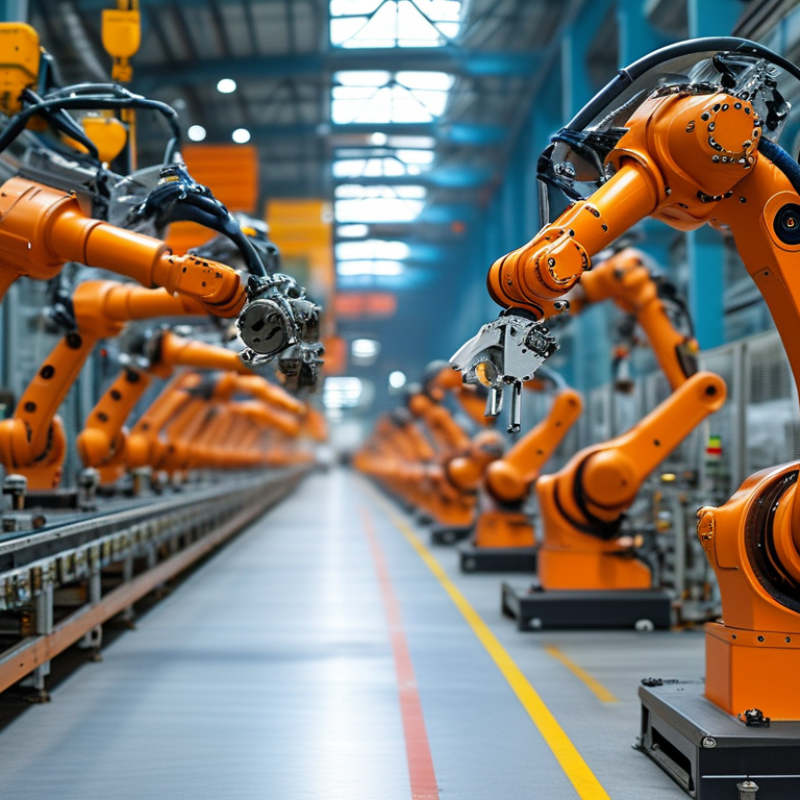
Automated production line equipment is revolutionizing manufacturing. This technology increases efficiency and reduces human error. Many industries are moving towards automation. This shift allows for faster production and lower operating costs. Advanced systems streamline assembly processes. They handle everything from assembling components to packaging products.
Choosing the right equipment can be overwhelming. There are various options, from robotic arms to conveyor systems. Each piece of equipment has unique features. It’s important to align these features with specific production needs. Some buyers may face challenges in integrating new systems with existing workflows. The learning curve can be steep, causing temporary disruptions.
Investing in automated production lines also requires careful planning. Assessing the total cost of ownership is crucial. Regular maintenance is necessary to keep systems running smoothly. Equipment can sometimes fail, leading to unexpected downtime. Buyers should consider support and training from suppliers. This ensures staff can operate new systems effectively while mitigating risks.
Key Features of Top Automated Production Line Equipment
In the rapidly evolving landscape of manufacturing, automated production line equipment continues to dominate. Buyers must focus on several key features to enhance efficiency and output. One critical aspect is adaptability. Equipment that can easily reconfigure for various products ensures flexibility within production.
Another noteworthy feature is integration capabilities. Systems that seamlessly connect with existing technology improve workflow. This minimizes downtime and enhances the overall productivity of the operation. Reliability is crucial as well; consistent performance prevents costly interruptions. Buyers should evaluate service and support options when choosing equipment.
Yet, there is often a gap between expectations and reality. Some advanced features might not deliver the anticipated results. It's essential to conduct thorough trials before full implementation. Buyers must also consider long-term maintenance and upgrades, as these can impact future performance. A careful examination of all these aspects leads to informed purchasing decisions.
2026 Best Automated Production Line Equipment - Key Features Comparison
Leading Brands in Automated Production Technology
As industry demands evolve, so does automated production technology. Today’s leading brands focus on efficiency, precision, and sustainability in their equipment. These traits ensure they meet the needs of global buyers while maintaining high production standards. Many brands invest in continuous research to enhance their automation solutions. This helps users optimize productivity and reduce waste, making operations more cost-effective.
Tips: Look for vendors with proven expertise. Established companies often have a verifiable track record and reliable support services. Don’t overlook companies that offer custom solutions tailored to your specific needs. Automation should fit seamlessly into your existing processes.
In the quest for the best equipment, buyers often encounter challenges. Price disparities can be confusing. Some may prioritize upfront costs, while others see long-term ROI as critical. It’s essential to weigh these factors against your production goals. Assess whether the technology can adapt to future changes. Automated systems that are rigid may lead to increased operational costs in the long run.
When considering equipment options, examine user reviews and case studies closely. These insights can reveal strengths and weaknesses not evident at first glance. Engaging with experienced users exposes potential issues that may arise during implementation. Prioritizing informed decisions will empower you to choose the right automated solutions.
Comparative Analysis of Cost and Efficiency
In recent years, the demand for automated production line equipment has surged. Efficiency and cost-effectiveness have become critical for global buyers seeking to enhance productivity. A recent study shows that automation can improve production efficiency by up to 30%. However, achieving such benefits often requires significant initial investments in advanced machinery.
Cost comparisons reveal that while high-end automated systems may have higher upfront costs, they provide substantial long-term savings. Manufacturing costs can drop by an average of 20% when switching from manual to automated processes. Yet, businesses must carefully assess their specific production needs. In some cases, the return on investment (ROI) may take longer than expected, primarily if the chosen equipment does not align with operational requirements.
Moreover, not all automated solutions deliver equal performance. Variability in technology, maintenance needs, and operational training can affect overall efficiency. Some reports indicate that up to 15% of automation projects fail to meet expected outcomes. Businesses should conduct thorough evaluations and pilot tests before committing to large-scale implementations. The journey towards automation is complex and requires careful planning and adaptation.
Future Trends in Automated Production Line Innovations
In the rapidly evolving landscape of automated production lines, innovation is vital. The demand for more efficient and streamlined processes is driving new trends. According to a recent industry report by McKinsey, up to 70% of manufacturing tasks could be automated by 2030. This number underscores the urgency for businesses to adapt and integrate advanced technologies.
A prominent trend involves the implementation of AI-driven analytics. These systems can predict equipment failures, reducing downtime. As per a report from Gartner, predictive maintenance can lower maintenance costs by 10-20%. Enhancing operational efficiency is essential. However, companies must carefully assess their readiness to adopt this technology. Not all teams are equipped with the necessary skills.
Implementing smart robotics also stands out. These robots can work alongside human operators, improving productivity. However, there are challenges. Training the workforce to effectively collaborate with these robots is crucial but often overlooked. Companies should not only invest in technology but also focus on developing their human resources.
Tips: Evaluate your existing processes before adopting new technologies. Consider whether your team has the expertise to support these changes. Ensuring a balance between automation and human oversight is key for sustainable growth.

 +86 15921716191
 Contact Phone
 Contact Email