2026 How to Choose Automatic Weighing and Labeling Systems?
Choosing the right Automatic Weighing and Labeling Systems is crucial for businesses aiming for efficiency and accuracy. According to the International Society for Automation, the demand for automation in manufacturing has increased by 20% over the past five years. Companies are investing heavily in these systems to reduce human error and increase throughput. The global market for weighing and labeling systems is projected to reach $4 billion by 2026, highlighting the importance of an informed selection process.
In the food and beverage industry, accurate labeling is not only a regulatory requirement but also a vital component of customer satisfaction. A report by Food Safety News indicates that 70% of product recalls are due to labeling errors. Such data emphasizes the critical nature of Automatic Weighing and Labeling Systems. They ensure compliance and enhance the overall reputation of brands. However, selecting the right system involves careful consideration of various factors, such as scalability, integration capabilities, and maintenance requirements.
Despite the evident advantages, some companies struggle to adopt these systems effectively. Integration challenges often arise, leading to unexpected downtime or operational delays. Therefore, an in-depth understanding of specific needs and industry standards is essential. This deliberate choice can significantly impact the efficiency and reliability of production lines, proving that careful selection is a worthy investment.
Understanding Automatic Weighing and Labeling Systems in 2026
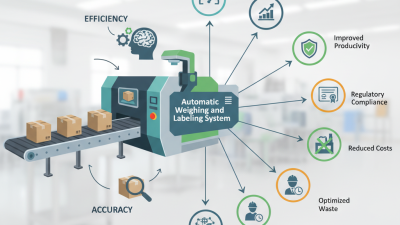
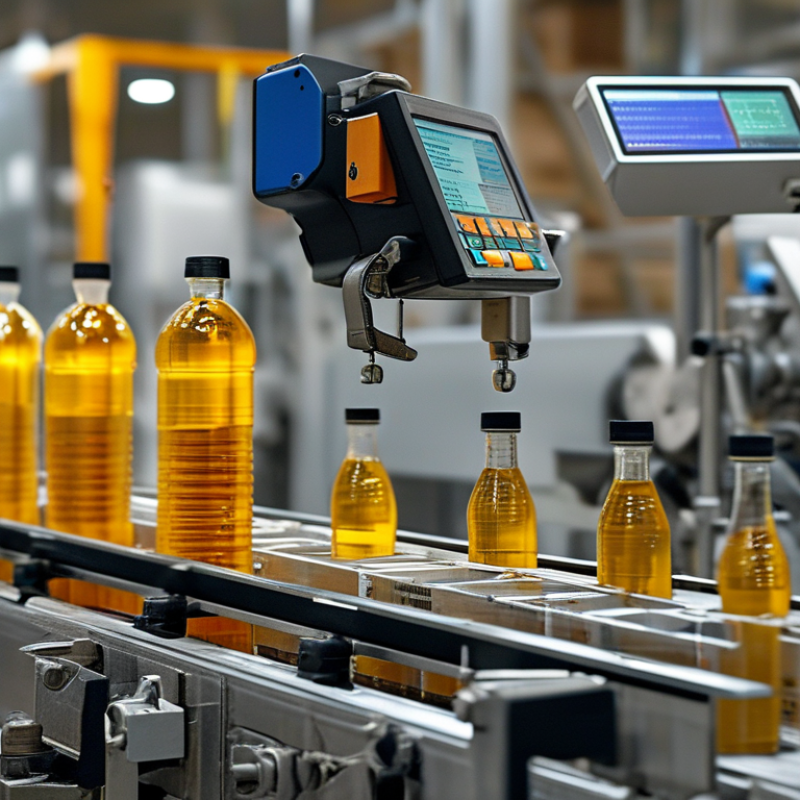
In 2026, automatic weighing and labeling systems have become essential tools in various industries. These systems efficiently combine the processes of weighing products and generating labels. Understanding their features is vital for businesses that aim to enhance efficiency. Accuracy is crucial. A small error in weight can lead to significant losses. Therefore, evaluating the precision of these systems should be a priority.
When selecting a system, consider user-friendliness. Complex interfaces can slow down operations. An intuitive design allows workers to operate the machines effectively. Simplifying training reduces downtime. Additionally, the capacity to integrate with existing machinery is important. Systems that require extensive modifications may pose a challenge. Reflecting on past choices can reveal lessons learned. Many businesses discover that flexibility is often overlooked but crucial for long-term success.
It’s beneficial to assess the after-sales support offered by manufacturers. Reliable service is key to maintaining uptime and productivity. However, not all providers meet these expectations. Research into customer reviews can uncover patterns of satisfaction and frustration. Companies must be cautious and proactive in their decision-making. Balancing cost with quality remains an ongoing challenge. It encourages a mindset of continual improvement in the industry.
Key Factors to Consider When Choosing a Weighing System
When selecting an automatic weighing and labeling system, several key factors come into play. Accuracy is paramount. Reports show that a system with an accuracy rate of 99.9% can significantly reduce product loss. Companies face losses of up to 2% due to inaccurate weight measurements. This highlights the necessity for a reliable accuracy rate in your operations.
Speed is another critical element. The optimal system should handle at least 100 packages per minute. However, it’s essential to ensure that speed does not compromise accuracy. Many systems struggle to maintain precision at higher speeds. This can lead to potential rework and added costs.
Ease of integration is also worth considering. A system should seamlessly integrate with existing equipment and software. Compatibility issues can stall output and create downtime, costing companies thousands in lost productivity. Training for staff should be straightforward. Complicated processes can lead to errors and decreased efficiency. Always weigh the benefits against potential challenges for optimal results.
Evaluating Accuracy and Speed in Weighing and Labeling
When choosing automatic weighing and labeling systems, evaluating accuracy and speed is crucial. Industry reports indicate that a variation of just 0.1 grams can significantly affect product quality and customer satisfaction. For example, inaccurate weights can lead to costly overfills or shortages. This issue impacts both profit margins and brand reputation.
Speed matters too. Many systems can process up to 100 products per minute, but not all offer high accuracy at such speeds. A balance between these two metrics is essential. Studies show that systems that maintain an accuracy rate of 99.9% or higher while operating at high speeds tend to lead the market.
Frequent calibration and maintenance can mitigate errors, but these practices are often overlooked. Companies must invest in training operators and implementing routine checks to ensure systems function optimally. The decision-making process can also benefit from reviewing case studies. They provide insights into the operational pitfalls and successes experienced by peers. Choosing a suitable system is not just about capability but also about understanding your specific needs.
2026 How to Choose Automatic Weighing and Labeling Systems?
This chart illustrates the evaluation of accuracy and speed for different automatic weighing and labeling systems based on sample data.
Integration with Existing Production Lines: What to Look For
Integrating automatic weighing and labeling systems into existing production lines requires careful consideration. Industries utilizing these systems report a 30% increase in operational efficiency. When selecting a system, assess compatibility. Look for systems that can seamlessly connect with your current equipment. This is crucial to minimize disruption during implementation.
The layout of your production line also matters. Systems should fit within your spatial constraints. A poorly placed system can lead to bottlenecks. Data shows that 20% of companies face unexpected delays due to inadequate physical integration. Opt for systems that offer flexibility in setup. This adaptability allows changes as your production needs evolve.
Remember, training is essential. Employees must understand new systems thoroughly. Insufficient training can lead to costly errors. According to recent studies, 15% of production losses stem from operator mistakes with automation. Thus, prioritize systems that offer comprehensive training resources and support. Being mindful of these factors can enhance your production capabilities significantly.
2026 How to Choose Automatic Weighing and Labeling Systems? - Integration with Existing Production Lines: What to Look For
| Feature |
Importance Level |
Integration Type |
Compatibility with Existing Systems |
Cost Estimate |
| Speed and Efficiency |
High |
Standalone |
High |
$20,000 - $50,000 |
| Scalability |
Medium |
Modular |
Medium |
$15,000 - $40,000 |
| User Interface |
High |
Integrated |
High |
$10,000 - $30,000 |
| Regulatory Compliance |
High |
Standalone |
High |
$25,000 - $60,000 |
| Maintenance and Support |
Medium |
Modular |
Medium |
$5,000 - $15,000 |
Budgeting for Your Automatic Weighing and Labeling Solutions
When budgeting for automatic weighing and labeling systems, numerous factors must be considered. These systems not only streamline operations but also enhance accuracy in packaging. According to a recent industry report, 78% of manufacturers noted significant labor cost reductions after implementing such systems. This demonstrates their ability to optimize not just weight measurement but also operational efficiency.
However, the initial investment can be daunting. Automatic systems cost anywhere from $25,000 to over $100,000, depending on complexity and features. It’s crucial to evaluate return on investment (ROI) carefully. While some businesses may prioritize low upfront costs, this can lead to higher long-term operational inefficiencies. Additionally, a poorly chosen system might necessitate further investments in training or maintenance.
Before making a purchase, it is wise to consider total cost of ownership. Beyond purchase prices, ongoing expenses like technical support and software updates add to the budget. Aim for a balance between cost and capability. Work closely with suppliers who provide transparent information. Though it can be tempting to cut corners, choosing the right system is essential for success.

 +86 15921716191
 Contact Phone
 Contact Email