+86 15921716191
Leave Your Message
-
Contact WhatsApp
-
 Contact Phone
-
 Contact Email
Choosing Automatic Packaging Machinery is not about buying the fastest machine on a brochure. It is about matching equipment to your product, package, production rate, and operators. Packaging machinery consultant and author John R. Henry’s practical guides emphasize evaluating the full packaging process, not just a machine’s headline speed. Quality expert Joseph M. Juran put the core idea simply: “Quality is fitness for use.” That principle applies here: a machine must fit the job it will actually perform.
Start with the product. Is it a powder that drifts, a liquid that foams, or a fragile snack that cracks under pressure? Then check the package format, target output, changeover frequency, and available floor space. A line that runs smoothly with one bottle size may struggle when staff switch to pouches twice each shift. Small details matter. Film width, seal temperature, filling accuracy, and cleaning access can affect uptime as much as advertised speed.
Automatic Packaging Machinery should also suit the people who will operate and maintain it. Ask suppliers to demonstrate your real product and packaging materials, not just a similar sample. Review setup steps, spare-parts access, service response, and training. Request measurable performance data, including changeover time and reject rate. Do not rely on a polished demonstration alone. It may not reflect a busy production day.
No machine removes every production problem. A faster unit may create a bottleneck downstream, while extra automation can add maintenance demands. The right choice balances output, product protection, flexibility, and support. This guide explains how to compare those factors and ask sharper questions before investing.
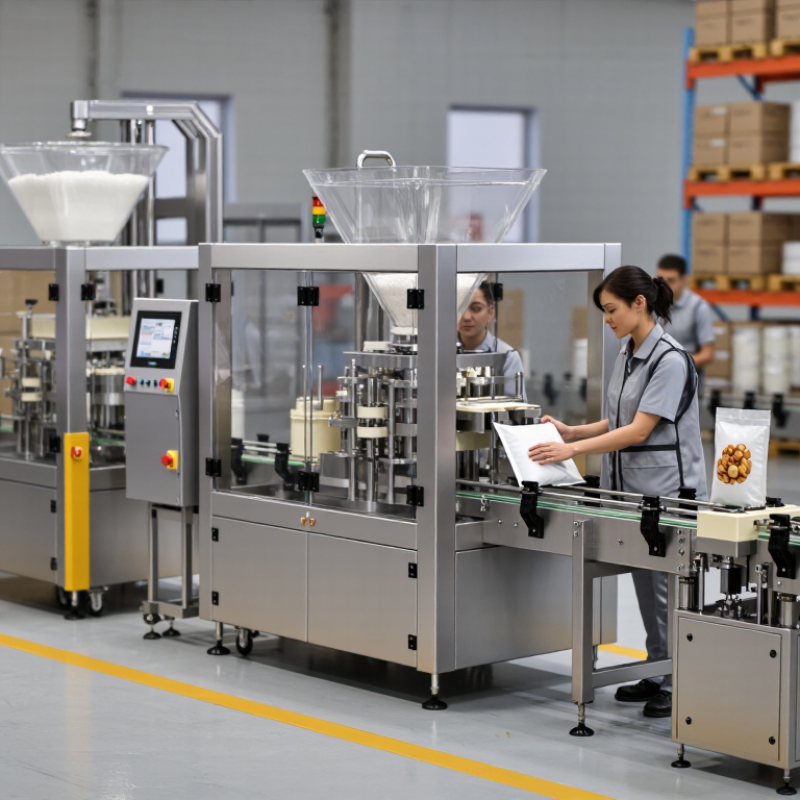
Before comparing automatic packaging machinery, describe the product and its packaging conditions. Record the smallest and largest product dimensions, weight, shape, and surface sensitivity. Note whether items arrive individually, in groups, or in uneven batches. A bottle that is still damp after filling may need different handling from a dry carton. Small details change the equipment requirements.
Set a realistic production target using saleable packages per minute, not just the machine’s advertised speed. Include planned shifts, breaks, cleaning, changeovers, and time spent refilling packaging materials. For example, a line expected to make 60 cartons per minute may average much less if operators change formats several times each day. That gap matters. Estimate current demand and likely growth, but avoid buying capacity based only on an optimistic forecast.
Define the package itself: material, dimensions, closure, label position, and acceptable seal quality. List how often formats change and how quickly operators need to switch between them. Confirm available floor space, power, compressed air, and staffing before discussing a machine layout. Production figures are often rough at first. That is normal, but test them against real shift records and observe where packages pause, tip, or need manual correction. Those observations turn broad goals into requirements a supplier can evaluate.
Use this checklist to turn product, package, and production needs into equipment requirements. Example ranges are planning references, not guaranteed machine specifications; confirm actual performance with suppliers and product trials.
| Requirement | What to define | Example planning data | How it affects machine selection |
|---|---|---|---|
| Product characteristics | Product form, dimensions, weight, fragility, flow behavior, and temperature. | For example: a 250 g dry product, a 500 ml liquid, or a fragile item. | Helps determine the filling, feeding, handling, and product-contact components required. |
| Package format and material | Package type, dimensions, material, closure, and whether the package is supplied pre-made or formed on the line. | Examples: pouch, bottle, carton, tray, or case; record the required size range. | Determines the machine format, forming or feeding method, sealing process, and change parts. |
| Required output rate | Target saleable packages per minute or hour, by product and package format. | Set a target based on demand; distinguish nominal machine speed from sustained good output. | Affects machine configuration, number of lanes or heads, and the need to balance upstream and downstream equipment. |
| Production schedule | Operating hours, shifts per day, days per week, planned breaks, and expected demand growth. | Example: one 8-hour shift or two 8-hour shifts; use the actual production calendar. | Shows how much capacity and availability are needed to meet the required volume. |
| Product and format changeovers | Number of products and package sizes, changeover frequency, and acceptable changeover time. | List the formats run each week and measure changeover time from the last good pack to the next good pack. | Influences adjustment range, tool-free features, recipe controls, and the quantity of format parts needed. |
| Fill and package quality | Acceptable fill-weight or fill-volume variation, seal integrity, appearance, and defect limits. | Set tolerances according to product requirements and applicable regulations; define how samples will be checked. | May require suitable dosing technology, inspection devices, reject handling, and documented quality checks. |
| Cleaning and sanitation | Cleaning method, allergen controls, washdown needs, and required cleaning or inspection intervals. | Specify dry cleaning, manual washdown, or a validated clean-in-place process where applicable. | Affects machine materials, access, enclosure design, drainage, and disassembly requirements. |
| Line integration | Existing conveyors and equipment, line speed, controls, pack orientation, and upstream or downstream handoffs. | Document conveyor height, transfer direction, available signals, and connected equipment speeds. | Helps prevent bottlenecks and establishes the interface and control requirements for the full line. |
| Utilities and factory space | Available electrical supply, compressed air, other required services, floor space, access, and service clearance. | Confirm supply details and layout dimensions with the facility team before equipment selection. | Ensures the machine can be installed, operated, maintained, and connected to site services. |
| Staffing and maintenance | Operator availability, skill level, preventive-maintenance capacity, spare-parts needs, and service response expectations. | Identify the planned operator coverage per shift and the maintenance support available on site. | Guides decisions about automation, diagnostics, training, access, and spare-parts planning. |
| Safety and regulatory needs | Applicable workplace, product, packaging, and market requirements for the installation. | Identify the sales markets and facility rules before requesting a final machine specification. | Determines guarding, safety controls, documentation, and any required material or process provisions. |