+86 15921716191


China has become a major force in the global packaging equipment supply chain. Its manufacturers now serve food, beverage, pharmaceutical, cosmetics, and logistics companies worldwide. The market is not limited to low-cost machinery anymore. Many Chinese suppliers offer robotic case packing, vertical form-fill-seal systems, palletizing cells, and complete automated lines.
Industry reports support this shift. Smithers projects continued growth in the global packaging machinery market through 2029, driven by automation, e-commerce, flexible packaging, and stricter production efficiency requirements. PMMI’s 2024 industry outlook also highlights labor shortages, digital monitoring, and sustainability as major investment priorities. Interact Analysis has reported that packaging machinery demand remains resilient, despite uneven economic conditions across regions.
Andrew Streeter, Managing Director at Interact Analysis, stated, “Packaging machinery demand is increasingly shaped by automation, flexibility, and the need to reduce operating costs.” This observation matters when evaluating Global Packaging Machinery Manufacturers in China. A credible supplier should demonstrate more than attractive pricing. Buyers should examine machine speed, changeover time, spare-parts support, electrical standards, validation records, and installation experience.
The details matter.
A reliable manufacturer should provide test videos, factory references, and measurable performance data. It should also explain how its equipment handles film tension, sealing temperature, product variation, and cleaning procedures. No ranking is perfect. Some supplier information remains difficult to verify, especially when export data and factory capabilities are presented selectively. Therefore, this guide compares leading Chinese manufacturers through practical criteria, public evidence, engineering depth, and after-sales reliability. Cost matters, but uptime often matters more.
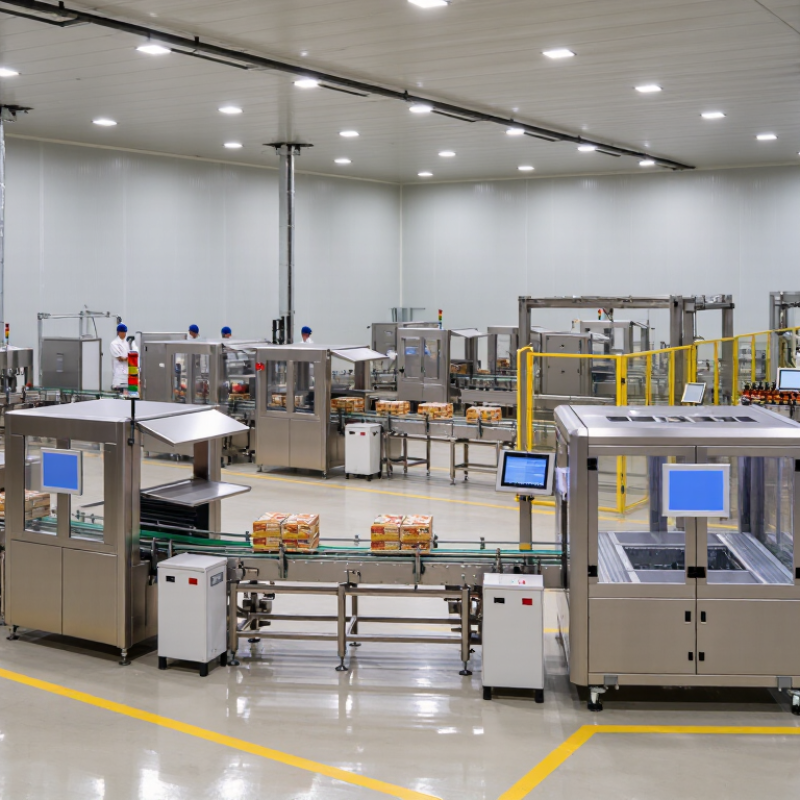
China’s packaging machinery sector spans filling, sealing, labeling, cartoning, palletizing, and inspection systems. Its factories serve food, beverages, pharmaceuticals, cosmetics, and household goods. Smithers’ market research places the global packaging market above US$1 trillion by 2028, creating steady demand for faster equipment and flexible production lines. China’s role is significant because it combines component supply, engineering capacity, and competitive manufacturing costs.
A typical line may include stainless-steel conveyors, servo-driven fillers, vision inspection, and robotic case packing. Interact Analysis reports continued growth in global packaging automation, supported by labor shortages and stricter quality expectations. Packaging machinery from China increasingly targets export markets, but performance varies between suppliers. Installation support, software integration, spare parts, and validation records matter as much as the machine price. This is where buyers sometimes underestimate risk. A low quotation can become expensive after downtime, training gaps, or delayed components.
Tips: Request verified factory references and a factory acceptance test. Check output using your real containers, films, and products. Ask for cycle-time data, changeover records, and maintenance intervals. PMMI industry reports emphasize automation, sustainability, and workforce capability as key investment pressures. However, published forecasts use different definitions and time periods. Treat market figures as direction, not certainty. A careful audit remains essential.
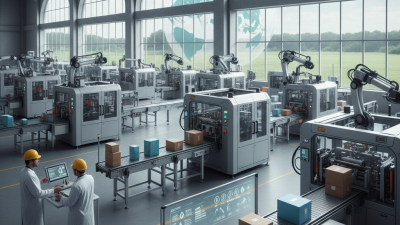
Identifying China’s leading packaging machinery manufacturers requires more than comparing catalog prices. Examine their engineering experience, production capacity, and documented project history. A reliable manufacturer should explain machine speed, material limits, changeover time, and expected maintenance clearly. Ask for factory photographs, live testing videos, and references from similar packaging applications. Specific evidence matters more than confident promises.
Visit the facility when possible. Check machining areas, electrical assembly, spare-parts storage, and final testing procedures. Look closely at weld quality, cable labeling, guarding, and the cleanliness of moving components. Request a factory acceptance test using your actual product and packaging material. Review manuals, inspection records, control-system documentation, and training plans. Certifications can support credibility, but they do not replace performance evidence. A polished showroom may still hide weak after-sales support.
Tips: Compare at least three technical proposals, not only quotations. Ask who will install the machine and how quickly replacement parts can arrive. Clarify warranty exclusions in writing. Speak with recent customers about downtime, response speed, and commissioning quality. Be cautious when specifications change during negotiation. That is often a warning sign. Also, leave room for honest uncertainty: laboratory results may differ from factory conditions, and even a well-built machine can need adjustment after installation.
China Top Global Packaging Machinery Manufacturers?
China’s packaging machinery sector now covers filling, sealing, labeling, cartoning, and end-of-line automation. Grand View Research valued the global packaging machinery market at about USD 52.8 billion in 2023. Its forecast expects continued growth through 2030, supported by food, beverage, pharmaceutical, and household-product demand.
By equipment category, Chinese manufacturers show different strengths. Filling and capping equipment often targets high-speed beverage lines, with stainless-steel frames and servo-controlled dosing. Form-fill-seal suppliers focus on flexible films, pouch accuracy, and reduced material waste. Cartoning and case-packing manufacturers compete through compact layouts and quick format changes. Labeling specialists increasingly integrate vision inspection and automatic rejection. End-of-line equipment includes palletizing, wrapping, and robotic case handling.
InterAct Analysis has identified automation and digital monitoring as major packaging machinery growth drivers. That trend is visible in Chinese factories, where remote diagnostics and production dashboards are becoming more common. Still, speed alone is not enough. Some machines perform well during demonstrations but need stronger validation under dust, humidity, or frequent product changes. Buyers should review factory acceptance tests, spare-parts response, electrical standards, and documented uptime. The better question is not “Who is largest?” It is “Which category fits the line?”
| Equipment Category | Primary Packaging Function | Common Products | Typical Output Range* | Typical Automation Level | Common Export Markets | Key Selection Criteria |
|---|---|---|---|---|---|---|
| Vertical Form-Fill-Seal Machines | Forms bags, fills the product, and seals the package in a continuous or intermittent cycle. | Snacks, grains, powders, frozen foods, pet food, and household products. | Approximately 30–120 bags per minute, depending on product and bag format. | Semi-automatic to fully automatic; multi-head weighing and nitrogen flushing are available. | Asia-Pacific, the Middle East, Africa, Europe, and Latin America. | Film compatibility, dosing accuracy, sealing performance, changeover time, and after-sales support. |
| Horizontal Form-Fill-Seal Machines | Creates pillow, gusseted, or three-side-seal packs from a roll of flexible film. | Biscuits, confectionery, bakery items, medical products, and consumer goods. | Approximately 40–200 packs per minute, depending on product length and configuration. | Fully automatic with servo-driven film feeding and product synchronization. | Southeast Asia, the Middle East, Africa, Europe, and South America. | Product alignment, sealing temperature control, film tracking, cutting accuracy, and hygiene design. |
| Liquid and Paste Filling Machines | Dispenses measured volumes into bottles, jars, tubes, pouches, or containers. | Beverages, sauces, cosmetics, detergents, pharmaceuticals, and edible oils. | Approximately 20–300 containers per minute, depending on viscosity and filling heads. | Semi-automatic, linear automatic, or rotary automatic systems. | Asia-Pacific, Africa, the Middle East, Eastern Europe, and Latin America. | Filling accuracy, product viscosity, cleanability, container handling, and contact-part materials. |
| Powder and Granule Filling Machines | Measures and fills dry products using auger, volumetric, or weigh-based dosing systems. | Flour, spices, coffee, milk powder, chemicals, seeds, and granulated food products. | Approximately 20–100 packages per minute, depending on product behavior and dose size. | Semi-automatic to fully automatic, often integrated with bagging or container lines. | Asia-Pacific, Africa, the Middle East, Europe, and Latin America. | Dust control, dosing repeatability, hopper design, product flow, and cleaning requirements. |
| Cartoning Machines | Opens cartons, inserts products or leaflets, and closes or seals the cartons. | Food products, cosmetics, medicine, personal care items, and household goods. | Approximately 30–200 cartons per minute, depending on carton style and product loading. | Intermittent or continuous motion; manual, robotic, or automatic product loading. | Europe, Asia-Pacific, the Middle East, Africa, and South America. | Carton material, product orientation, glue or tuck-in closure, format changeover, and line integration. |
| Case Packing and Case Erecting Machines | Forms shipping cases and packs primary packages into corrugated cartons. | Bottles, cans, cartons, pouches, trays, and multipacks. | Approximately 8–40 cases per minute, depending on case size and packing pattern. | Automatic systems with mechanical or robotic loading and tape or hot-melt sealing. | Asia-Pacific, Africa, the Middle East, Europe, and Latin America. | Case strength, product stability, packing pattern flexibility, footprint, and conveyor compatibility. |
| Labeling Machines | Applies pressure-sensitive, wraparound, front-and-back, or tamper-evident labels. | Bottles, jars, cans, boxes, pouches, and pharmaceutical containers. | Approximately 30–300 containers per minute, depending on label type and container geometry. | Semi-automatic, inline automatic, or rotary automatic operation. | Asia-Pacific, Europe, the Middle East, Africa, and the Americas. | Label positioning, container stability, sensor accuracy, adhesive compatibility, and inspection options. |
| Wrapping and Shrink-Wrapping Machines | Wraps individual products or multipacks with film and applies heat when shrink film is used. | Beverage multipacks, tissue products, boxes, stationery, and industrial goods. | Approximately 5–60 packs per minute, depending on film type and package dimensions. | Semi-automatic to fully automatic, with optional bundling and conveyor integration. | Asia-Pacific, Africa, the Middle East, Europe, and Latin America. | Film consumption, sealing quality, heat control, package appearance, and energy use. |
| Coding and Marking Systems | Prints batch numbers, dates, barcodes, QR codes, and traceability information. | Food, beverages, pharmaceuticals, cosmetics, electronics, and industrial components. | Up to several hundred products per minute, depending on print technology and line speed. | Inline automatic operation with sensors, encoders, and production-data interfaces. | Global markets, particularly food, beverage, pharmaceutical, and industrial sectors. | Print resolution, substrate compatibility, ink or consumable availability, software support, and maintenance. |
| Robotic Palletizing Systems | Arranges cartons, bags, trays, or cases onto pallets according to programmed patterns. | Food and beverage cases, consumer goods, chemical products, and warehouse shipments. | Approximately 10–60 cases per minute, depending on payload, pattern, and robot configuration. | Fully automatic, commonly combined with conveyors, pallet dispensers, and stretch wrappers. | Asia-Pacific, Europe, North America, the Middle East, Africa, and Latin America. | Payload, reach, pallet pattern flexibility, safety systems, floor space, and warehouse integration. |
*Output figures are indicative industry ranges for commonly configured equipment. Actual performance varies with product characteristics, package dimensions, materials, machine configuration, and operating conditions.
China Top Global Packaging Machinery Manufacturers?
When evaluating China’s top packaging machinery manufacturers, technology should be measured on the factory floor. Servo motors, programmable controls, and vision sensors can improve speed and accuracy. However, advanced components do not guarantee stable production. Ask for test records, sample runs, and maintenance data. A reliable supplier should explain changeover time, filling tolerance, and reject rates in clear figures. Small details matter. For example, stainless steel surfaces should be smooth, accessible, and easy to clean.
Quality standards provide a stronger comparison. ISO 9001 certification indicates a documented quality management system, but it does not replace machine testing. Buyers should review material certificates, wiring diagrams, calibration records, and spare-parts procedures. During a factory acceptance test, the equipment should run realistic packaging materials for several hours. Some suppliers present ideal samples only. That can hide problems with film tension, sealing temperature, or product variation.
International certifications also require careful verification. CE marking may support access to European markets, while electrical safety and electromagnetic compatibility reports should match the exact machine model. Certifications must come from traceable assessment processes, not vague photocopies. Ask for certificate numbers and current validity. Experience teaches a difficult lesson: even a well-built machine may need software adjustments after installation. Strong manufacturers document those changes, train operators, and respond with evidence instead of promises. Reliability is built during commissioning, not claimed during a sales meeting.
International reference frameworks commonly used to evaluate packaging machinery safety, quality, environmental performance, and operator protection.
The chart compares the publication or current-edition years of major international standards and regulatory frameworks relevant to packaging machinery. These frameworks support machine safety risk assessment, electrical safety, functional safety, quality management, environmental management, occupational health and safety, and market access. The chart is a standards-based reference and does not rank individual companies or brands.
China’s packaging machinery sector is gaining attention across food, beverage, pharmaceutical, and personal care markets. Smithers’ 2024 report estimates the global packaging machinery market will exceed 60 billion US dollars by 2028. This growth increases supplier choice, but also increases evaluation risk. A low quotation does not guarantee lower total cost. Buyers should examine line speed, changeover time, energy use, and spare-parts availability. These details become expensive during production delays.
Independent testing matters. Ask for factory acceptance testing with your own materials, not only demonstration samples. Verify sealing accuracy, filling tolerance, cleaning procedures, and operator safety records. PMMI research continues to identify labor shortages and automation investment as major packaging industry pressures. Therefore, suppliers should provide training, remote diagnostics, clear manuals, and measurable service-response times. Interact Analysis also highlights growing demand for connected machinery and production data. Yet connectivity without proper cybersecurity can create another weakness.
Tips: Compare five-year ownership costs. Request references from similar factories. Check local technicians before signing. Measure actual output, not brochure speed. A practical mistake is trusting one successful test run. Machines may perform differently after humidity, dust, or product changes. Plan a longer validation period, and record every adjustment. Supplier quality is not only about engineering. It is also about communication when the line stops.