2026 Best Labeling Machines For Bottles Buying Guide?
In the competitive landscape of beverage production, the demand for efficient and precise labeling is paramount. According to a recent report by Freedonia Group, the global labeling machinery market is projected to reach $6 billion by 2026. This growth underscores a critical need for quality Labeling Machines For Bottles, especially as consumer preferences shift towards personalized and visually appealing packaging.
Modern labeling machines have evolved significantly in terms of technology and efficiency. Today’s machines boast capabilities for high-speed labeling and automation, reducing errors and enhancing productivity. However, choosing the right equipment can be challenging for manufacturers. It is essential to consider not only the machine’s specifications but also its compatibility with various bottle types and production requirements.
Cost considerations also play a significant role in the decision-making process. While higher-end machines offer advanced features, budget constraints may push companies towards less sophisticated models. Balancing quality, speed, and budget is crucial for long-term success. Businesses often reflect on their initial choices, realizing the importance of selecting reliable Labeling Machines For Bottles that can adapt to changing market demands and maintain operational efficiency.
What to Consider When Choosing Labeling Machines for Bottles
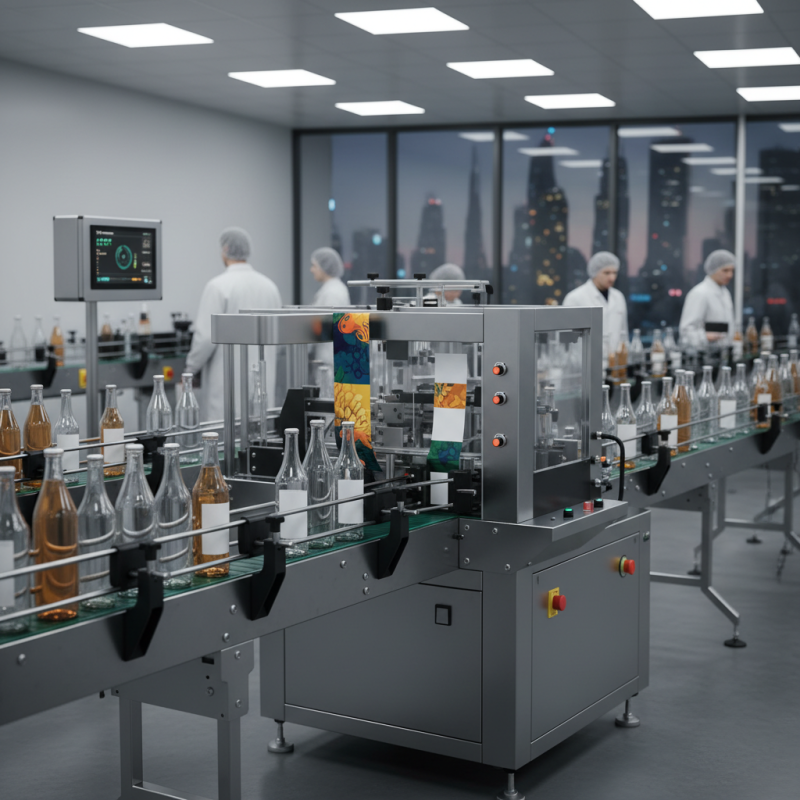
When selecting labeling machines for bottles, understanding the key features is vital. The type of label you need is essential. Are you labeling glass or plastic bottles? Each material may require different adhesives and applicator specifications. Pay attention to the label size and design as well. Proper sizing ensures the labels adhere correctly and present an attractive appearance.
Speed and accuracy are also crucial. How fast do you need the machine to apply labels? High-speed options may come with a learning curve. Accuracy is equally important; misaligned labels can lead to product rejection. Look for machines that provide adjustable settings. This flexibility can accommodate different bottle shapes and sizes.
Maintenance requirements can vary significantly among machines. Some may need frequent adjustments or part replacements. Regular maintenance can improve longevity and performance. It's wise to consider any available technical support from the supplier. Not all companies offer the same level of service, and this can affect your operation. Gathering user reviews can provide insights into real-world performance and reliability.
Types of Labeling Machines Suitable for Bottles
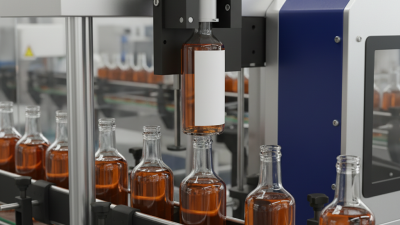
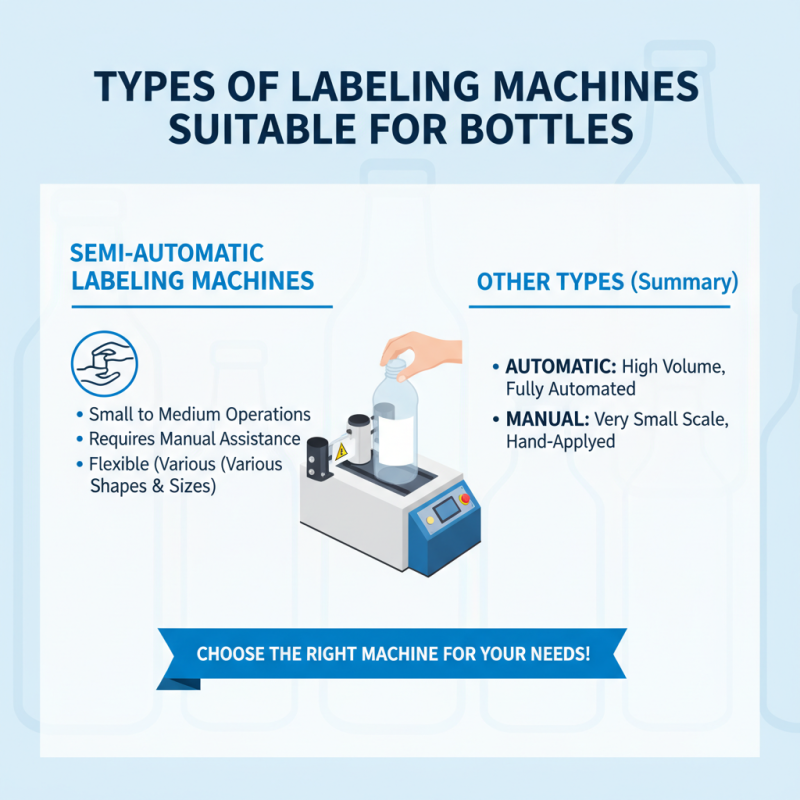
When it comes to labeling machines for bottles, understanding the various types available is crucial. There are several options tailored to different production needs. Semi-automatic labeling machines are popular in small to medium-sized operations. They require manual assistance but offer flexibility in labeling various bottle shapes and sizes.
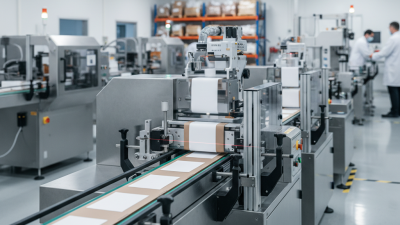
Fully automatic machines are ideal for high-volume productions. They can handle continuous operations with minimal human intervention. Regardless of the choice, ensuring that the machine suits your specific requirements is vital. Pay attention to the labeling speed, accuracy, and ease of integration into your production line.
Consideration should also be given to bottle materials. Some machines function better with glass, while others excel with plastic. Testing different machines can lead to better insights. Researching these options thoroughly can reveal unexpected challenges or inefficiencies in your process. This exploration can guide you to make informed decisions.
Key Features to Look for in Bottle Labeling Machines
When selecting a bottle labeling machine, certain key features are essential to consider. Look for machines that offer versatility. They should handle various bottle shapes and sizes effortlessly. A machine that can adapt to your production needs reduces downtime. Stability during operation is also crucial. A wobbling machine can lead to misalignment and wasted labels.
Speed and efficiency play significant roles. Ensure the labeling machine can meet your production demands. Some machines can label hundreds of bottles per minute. However, precision isn’t just about speed. Check if the labels are applied correctly, even at high speeds. Misaligned labels can harm your product's appeal.
Durability is another vital aspect. Look for machines made with strong materials. They should withstand daily wear and tear. A reliable machine contributes to uninterrupted production. However, be cautious of overly complex models. They might require excessive maintenance or professional assistance. Finding a balance between features and ease of use can be challenging but necessary.
Top Brands and Models of Bottle Labeling Machines for 2026
When looking for bottle labeling machines in 2026, it’s crucial to examine various top brands and models. Many manufacturers offer machines that cater to different production needs. Some machines handle high volumes while others are ideal for smaller batches. The choice depends on production scale and budget.
Consider the features that matter most. Efficiency, ease of use, and precision are vital. Some machines have automatic functions. These can significantly reduce manual labor. Meanwhile, user-friendly interfaces can enhance operation. However, not all machines offer the same durability. Always research the longevity of a model before making a purchase.
Potential buyers should be aware of the learning curve associated with some advanced models. They may require more time or training. Additionally, parts availability can vary by brand, affecting long-term use. Investing in a reliable supplier can alleviate some concerns here, but it's important to read reviews and weigh experiences from other users.
Tips for Maintaining Your Bottle Labeling Machine
Maintaining your bottle labeling machine is crucial for optimal performance. Regular inspections can help identify problems before they escalate. Check for any signs of wear on the labeling heads and rollers. These parts are vital for smooth operation. If you notice unusual sounds or labels misaligned, address it immediately. Ignoring these signs can lead to more significant issues and downtime.
Cleanliness is essential. Dust and adhesive buildup can affect functionality. Schedule routine cleanings at least once a week. Use a soft cloth and appropriate cleaning agents to prevent damage. Always consult the machine’s manual for specific cleaning instructions. Note that overusing certain cleaning solutions may harm the machine’s components.
Finally, keep an eye on production speed. If the machine operates slower than usual, it could indicate a need for maintenance. Monitor the tension and adjustments on the labels. Unexpected malfunctions can occur. Being proactive about maintenance can save time and resources in the long run. Take the time to reflect on your routine practices; this will ensure that your machine remains in good working order.

 +86 15921716191
 Contact Phone
 Contact Email