+86 15921716191


Choosing among the 2026 Best RFID Labeling Systems for Industry requires more than comparing printer speed or label prices. Industrial buyers need dependable performance across production floors, warehouses, laboratories, and outdoor storage areas. This guide examines Rfid Labeling Systems For Industry through practical criteria, including encoding accuracy, adhesive strength, reader compatibility, software integration, maintenance access, and total ownership cost.
A reliable system should produce readable labels at high volume, even when dust, vibration, heat, or uneven surfaces create daily challenges. Buyers should test sample labels on actual cartons, metal containers, plastic totes, and returnable assets. Small details matter. A weak adhesive can stop an otherwise efficient workflow. Poor antenna placement can create missed reads. Slow software can delay a busy shipping line.
The strongest evaluation also considers operator experience. Clear interfaces, simple calibration, and accessible diagnostics reduce avoidable downtime. Vendors should provide documented specifications, realistic demonstrations, technical support, and evidence from comparable industrial installations. Independent testing remains valuable, although it may not reflect every facility’s conditions. A polished product sheet can hide practical limitations.
No system fits every operation. A fast manufacturing line may value throughput, while a smaller warehouse may prioritize flexibility and lower maintenance demands. This overview compares leading solutions with a balanced perspective, recognizing both proven strengths and unresolved weaknesses. Buyers can use the findings to build a practical shortlist, validate performance on-site, and select equipment that supports accurate identification over the long term.
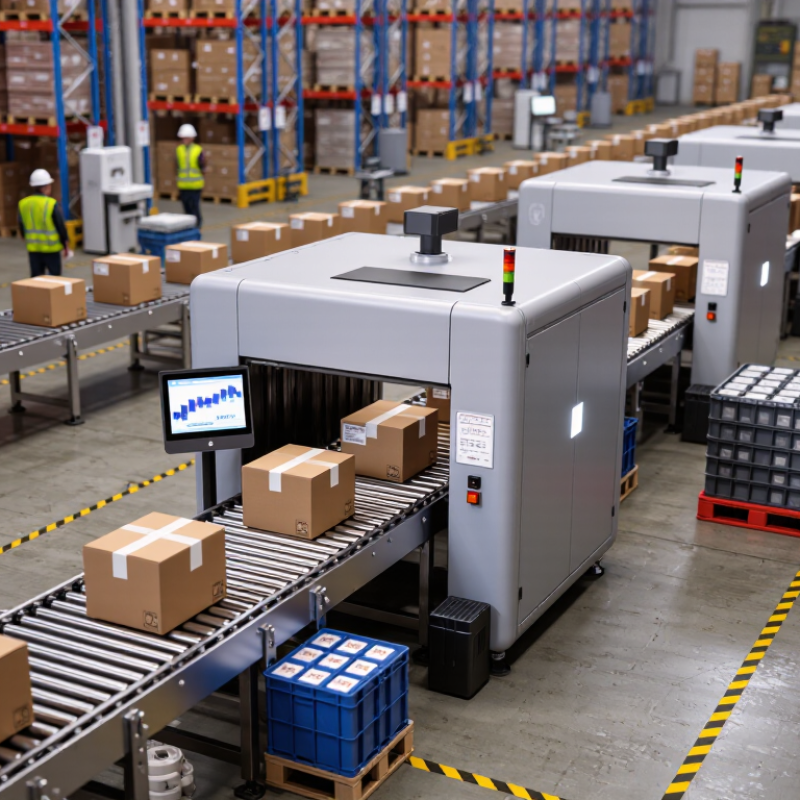
An RFID labeling system combines label materials, an RFID encoder, software, and verification tools. It creates a readable digital identity inside a printed label. The label usually contains a tiny chip and antenna, called an inlay. A printer feeds each blank label, encodes its identifier, and prints visible details. The printed code may show a product number, batch, or handling instruction. RFID data works without direct line of sight.
During encoding, software sends an identifier to the printer-encoder. The encoder transfers radio energy to the inlay and writes data to its chip. A nearby reader then captures the response and passes it to warehouse software. That software can update receiving, picking, shipping, or inventory records. Verification matters. If the chip fails, the system should reject the label before application. A camera can check print quality, while a reader checks the electronic identity.
In real operations, placement changes performance. Metal shelving, liquid products, and tightly stacked cartons can weaken communication. Testing samples on the actual container is more reliable than trusting a specification sheet. I would also measure unreadable labels, reprints, and operator touches during a pilot. The process is rarely perfect. Encoding speed may reduce inspection time, yet rushed settings can create duplicate or mismatched records. A practical system therefore links label design, encoding rules, reader placement, and human checks. That connection is easy to overlook.
RFID labeling systems combine an RFID printer, encoded inlays, software, and a reader to print, verify, and apply labels. The chart shows typical read ranges for passive RFID labels by operating frequency.
How RFID labeling systems work: The printer encodes digital identification data onto the RFID inlay while printing human-readable information. When a reader sends radio energy, the label returns its stored data without requiring line-of-sight scanning. Actual range depends on antenna design, label orientation, materials, reader power, and the surrounding environment.
Core Components of an Industrial RFID Labeling System
An industrial RFID labeling system begins with a printer-encoder that prints text and writes digital data to each RFID inlay. It must support stable encoding at production speed. A readable label is not enough.
The RFID inlay contains a chip and antenna, while the label material protects them during handling. Adhesive choice matters on corrugated cartons, plastic totes, and rough metal surfaces. Materials exposed to heat, moisture, or abrasion need appropriate construction. Poor adhesion can create costly tracking gaps. Keep this practical.
A control platform manages product records, label templates, user permissions, and connections with warehouse or manufacturing software. The system should verify every encoded tag and flag unreadable labels before application. Fixed readers, handheld devices, and antennas then capture data at doors, conveyors, or workstations. Placement requires testing because liquids, dense products, and nearby metal can weaken signals.
Application equipment must position labels consistently. Even a small shift can affect scanning performance. In field testing, teams should record read rates, print quality, and rejected labels across different shifts. Initial settings are rarely perfect. Operators may need to adjust power, speed, antenna placement, or label spacing. That is not a failure; it is evidence that the environment deserves closer measurement. Reliable systems combine accurate hardware, controlled software, suitable materials, and disciplined verification.
| Core Component | Primary Function | Typical Industrial Specifications | Key Selection Criteria | Application and Performance Notes |
|---|---|---|---|---|
| RFID Inlay | Stores the electronic identity and enables wireless communication between the label and reader. |
Passive UHF: 860–960 MHz Common protocol: EPCglobal UHF Class 1 Gen 2 / ISO/IEC 18000-63 Memory commonly includes a unique identifier, EPC memory, user memory, and reserved memory. |
Required read range, operating environment, memory capacity, regional frequency regulations, tag orientation, and attachment surface. | UHF is generally preferred for pallet, carton, warehouse, and supply-chain identification. Metal, liquids, dense products, and narrow label formats may require a specialized inlay design. |
| Label Face Stock | Provides the printable surface and protects the inlay during handling and use. |
Coated paper, synthetic film, or high-temperature material Common thickness range: approximately 50–150 micrometres for the face material Available in roll-fed or sheet-fed formats. |
Print quality, tear resistance, moisture exposure, abrasion, temperature range, chemical contact, and required label dimensions. | Paper is suitable for controlled indoor environments. Polyester or other synthetic constructions are more suitable for reusable containers, outdoor use, and demanding industrial workflows. |
| Adhesive System | Secures the RFID label to the product, package, pallet, or asset throughout its service life. |
Permanent, removable, repositionable, or hot-melt adhesive options Typical operating ranges vary from below 0°C to above 80°C depending on formulation and construction. |
Surface energy, curvature, roughness, contamination, application temperature, aging, humidity, and removal requirements. | Adhesive selection can affect read performance when the label is applied to metal, glass, liquid-filled containers, painted surfaces, or recycled corrugated materials. |
| RFID Label Printer-Encoder | Prints human-readable information and encodes electronic data into the RFID inlay during label production. |
Thermal-transfer or direct-thermal printing Typical industrial resolutions: 203, 300, or 600 dpi Supports label verification, error handling, and variable data printing. |
Print resolution, label width, daily print volume, encoding speed, media compatibility, connectivity, and replacement-part availability. | An integrated encoder verifies the RFID inlay before the label is issued. Failed tags should be voided or rejected automatically to prevent unusable labels from entering production. |
| RFID Encoding Module | Writes and reads tag memory while the label passes through the printer or encoding station. |
Supports air-interface communication defined by the selected RFID standard Configurable read-write power, encoding position, retry logic, and memory locking. |
Encoding reliability, tag placement tolerance, write speed, regional radio compliance, and compatibility with the selected inlay. | The module should confirm the programmed identifier and verify the printed barcode or text against the encoded data before releasing the label. |
| RFID Reader and Antenna | Captures tag data at fixed portals, workstations, conveyor lines, storage locations, or mobile points. |
UHF systems typically use one or more antennas with circular or linear polarization Read distance depends on transmit power, antenna gain, tag sensitivity, orientation, and site conditions. |
Required coverage area, tag density, conveyor speed, interference control, antenna polarization, enclosure rating, and local radio regulations. | Reader performance should be validated with the final tagged products. Read zones may require shielding, tuning, trigger sensors, or multiple antennas to reduce missed reads and stray reads. |
| Printer Media and Ribbon | Provides the consumable materials needed to print durable text, symbols, barcodes, and serialized identifiers. |
Thermal-transfer ribbon is commonly selected for durable industrial labels Media may be supplied on rolls with a defined core size, outer diameter, pitch, and winding direction. |
Ink or ribbon resistance, print darkness, barcode contrast, storage conditions, label finish, printer compatibility, and waste management. | Ribbon and face-stock combinations should be tested for abrasion, solvents, oils, temperature cycling, and long-term barcode readability where applicable. |
| RFID Middleware | Filters raw tag observations, applies business rules, and converts reader events into usable operational data. | Supports duplicate suppression, read-zone logic, tag association, event timestamps, exception handling, and device monitoring. | Processing latency, scalability, auditability, configuration tools, cybersecurity controls, offline operation, and integration interfaces. | Middleware prevents a single tag from generating excessive duplicate events and can combine RFID data with barcode scans, sensors, work orders, or shipment records. |
| Enterprise Integration Layer | Transfers label orders, serialized identifiers, inventory events, and status information between the RFID system and business applications. | Common interfaces include REST APIs, message queues, database connections, file exchange, and industrial communication protocols. | Data model, transaction reliability, authentication, encryption, retry handling, system ownership, and support for existing warehouse or manufacturing software. | Integration should define the source of truth for serial numbers, label status, tag commissioning, reprints, voided labels, and exception workflows. |
| Verification and Quality-Control Station | Confirms that the printed content, barcode, encoded data, and physical label quality meet production requirements. | May include barcode grading, RFID read verification, image inspection, reject handling, and audit logging. | Required inspection level, acceptable error rate, line speed, traceability, data retention, and connection to quality-management procedures. | Verification is especially important for serialized products, regulated goods, returnable assets, and labels used in automated receiving or shipping processes. |
| Mounting, Shielding, and Safety Hardware | Supports reliable installation and controls the physical and radio-frequency environment around the labeling and reading equipment. | Includes brackets, enclosures, cable management, grounding, protective covers, shielding materials, and photoelectric or proximity sensors. | IP rating, vibration, dust, temperature, electromagnetic interference, operator safety, service access, and compliance with facility requirements. | Proper mechanical installation helps maintain consistent tag placement, prevents cable damage, and reduces unintended reads from nearby inventory or equipment. |
| Data Security and Access Controls | Protects tag data, device configuration, production records, and system interfaces from unauthorized access or modification. | Role-based access, secure authentication, encrypted communications, configuration backups, logging, and controlled firmware updates. | Network segmentation, credential management, audit requirements, remote-access policy, vulnerability management, and data-retention rules. | Security controls should cover printers, readers, middleware servers, operator terminals, APIs, and any cloud or plant-network connection used by the labeling workflow. |

The best RFID labeling system in 2026 should fit the operation, not just the specification sheet. Buyers should assess encoding speed, print clarity, read accuracy, label durability, and software compatibility. IDTechEx’s 2024 RFID forecast projected more than 40 billion passive RFID tags would be sold globally in 2024. That scale increases pressure on suppliers to deliver consistent quality. A label that fails near metal shelving or damp cartons creates costly blind spots.
Test real materials before purchase. Use the actual carton, plastic tote, fabric, or metal container. Auburn University’s RFID Lab has reported read-rate benchmarks above 95% in controlled item-level trials. However, warehouse conditions are less forgiving. Buyers should request independent verification, failure-rate records, and sample testing across different distances. They should also compare total ownership costs, including ribbons, rejected labels, printer maintenance, system integration, and operator training. A low unit price can hide expensive rework.
Tips: Ask for a live demonstration using your hardest product. Measure successful reads, not only print speed. Check whether the system supports recognized data standards and secure user access. Require a recovery process for unreadable labels. It sounds basic. It is often missed.
One concern deserves attention: vendor claims may use ideal laboratory settings. A short pilot across two shifts is more reliable than a polished presentation. Record humidity, surface type, label placement, and scan distance. Then challenge the results before signing a long-term agreement.
In 2026, RFID labeling systems should match the industry’s workflow, not merely its reading range. The 2024 RAIN Alliance market report recorded over 33 billion passive RFID tags sold globally in 2023. That scale supports specialized equipment, but more volume does not guarantee better data. Retail warehouses often need industrial print-and-encode systems for carton labels and rapid pallet movement. Auburn University RFID Lab field studies have reported inventory accuracy improving from about 63% to above 95% with disciplined item-level RFID programs. The result depends on placement, commissioning, and staff training.
Manufacturers may prefer inline RFID labeling systems connected to production lines. These systems can print, encode, verify, and reject failed labels without stopping output. Healthcare facilities need smaller desktop units for specimen, pharmacy, and asset labels, with clear audit trails and controlled access. Logistics teams benefit from mobile printers when labels are created beside pallets or returnable containers. Metal-heavy environments require on-metal labels and tuned readers. Food and chemical operations may need moisture-resistant materials and higher durability.
It is easy to overbuy.
A technically impressive system can underperform when labels face liquid, foil, dense products, or poor antenna placement. GS1 guidance emphasizes consistent identifier structure and data quality, yet many projects still treat encoding as a hardware decision only. Buyers should test real materials, measure read rates at working speed, and document exceptions before signing a purchase specification. These practical checks are less glamorous, but they often reveal the true system cost.
RFID labeling systems need more than accurate printing and tag encoding. Implementation starts with a site survey. Check metal racks, liquid containers, conveyor speed, and reader angles. These details can change read performance within a few meters.
The RAIN Alliance reported 39.3 billion passive UHF tags sold globally in 2023, showing strong industrial adoption. However, scale increases integration risk.
Each label should connect reliably with warehouse, manufacturing, and transport records. Use consistent item identifiers under GS1 standards, then test EPCIS event data across receiving, storage, picking, and shipping. A clean interface matters more than a sophisticated dashboard.
Integration teams should measure read rates, duplicate events, encoding errors, and exception handling. Test normal and difficult conditions. A pilot can still fail. That weakness is useful.
Auburn University’s RFID Lab performance programs demonstrate why validated inlays and repeatable testing matter for demanding environments.
Maintenance plans should include printhead inspection, encoder calibration, antenna checks, and replacement-label control. Keep spare consumables from approved specifications, not merely similar-looking stock.
RAIN Alliance data also indicates continuing year-over-year tag volume growth, which may pressure suppliers and maintenance budgets. Review firmware, access permissions, and system logs quarterly.
Train operators with real cartons and damaged labels. Many deployment problems are human, not technical. Track missed reads by location, shift, and material type, then revise placement rules instead of blaming the reader.