2026 Best Automated Labeling Solutions for Exporting Needs?
In the rapidly evolving world of international trade, the importance of effective labeling cannot be overstated. Experts like Jane Smith, a renowned specialist in Export Automated Labeling Solutions, emphasize this necessity: "Accurate labeling is crucial for smooth logistics and compliance." As businesses expand globally, efficient labeling processes become vital.
Export Automated Labeling Solutions offer a streamlined approach to meet diverse export requirements. These solutions help companies avoid costly delays and ensure adherence to international regulations. However, not every solution is foolproof. Companies face challenges like evolving standards and the integration of new technologies. Adapting to these changes requires continuous effort and expertise.
Furthermore, a one-size-fits-all approach may not suffice. Each export market presents unique labeling needs. Companies must assess their specific requirements carefully. Investing in tailored labeling solutions can pay off, but there is always room for improvement. Continuous evaluation of labeling processes will ensure that exporters remain competitive and compliant in a complex landscape.
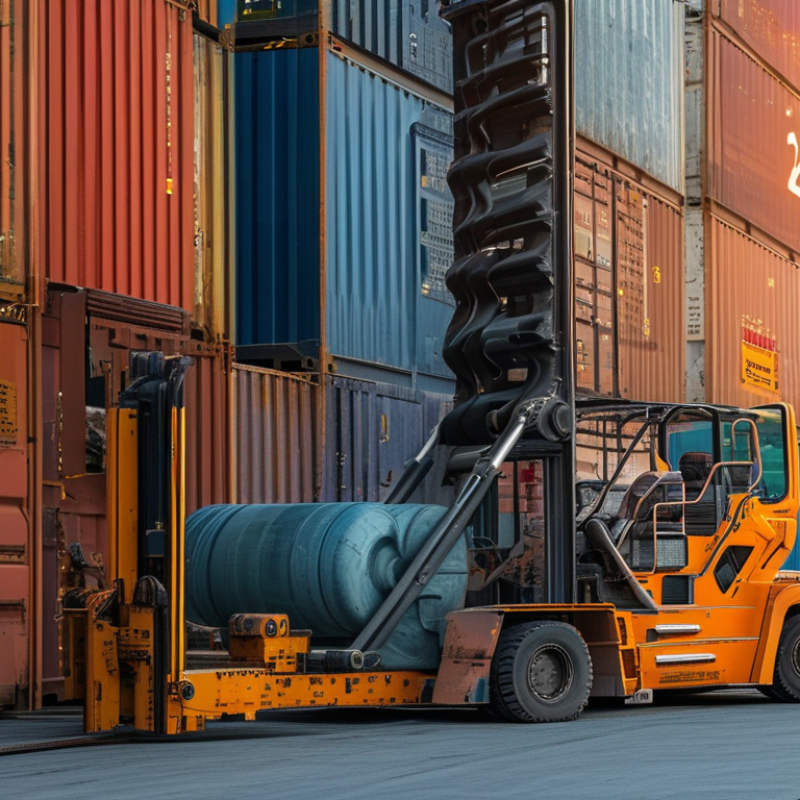
Overview of Automated Labeling Solutions for Exporting Needs
Automated labeling solutions are essential for businesses engaged in exporting. These systems streamline the process of labeling products, ensuring compliance with international regulations. According to industry reports, automating labeling can reduce costs by up to 30% and increase efficiency by around 40%. This efficiency is vital when managing the complexities of exporting goods across borders.
One significant benefit of automated labeling is improved accuracy. Manual labeling often leads to errors that can cause delays and fines. Automated systems significantly lower these risks by ensuring each label is perfectly applied. These solutions can handle various label sizes and formats, adapting to different products seamlessly.
Adopting automated labeling is not without challenges. Implementing new technology requires training and adjustment periods. Companies must also consider integrating these systems into existing workflows. It's crucial to evaluate the return on investment carefully. Balancing initial costs with long-term benefits is essential for success.
Investing in the right technology can lead to streamlined operations and a stronger competitive advantage. Keeping abreast of emerging technologies and trends in automated labeling is advisable. Engaging with industry experts and reports can provide insights into effective solutions that align with specific exporting needs.
2026 Best Automated Labeling Solutions for Exporting Needs
Key Features to Look for in Automated Labeling Systems
When selecting automated labeling systems for exporting needs, key features are crucial. First, accuracy stands out. Mislabeling can lead to costly delays. A reliable system minimizes errors, ensuring product compliance and smooth logistics. Look for technology that uses advanced sensors and algorithms. They can adjust to various label formats instantly.
Speed is another priority. In today’s fast-paced environment, efficiency matters. Systems should process numerous labels within tight timeframes. Automation enhances production rates, but maintaining quality is vital. It’s essential to find a balance between speed and precision.
Additionally, versatility is important. The best systems adapt to diverse packaging types and sizes. Consider how easily the system integrates with existing workflows. A user-friendly interface is necessary for quick training. It may take time to fully understand the system's features. However, a proficient team will enhance overall productivity and reduce operational headaches.
2026 Best Automated Labeling Solutions for Exporting Needs
| Feature |
Description |
Benefit |
| Speed |
High-speed labeling to ensure efficiency in production lines. |
Increased throughput and reduced labor costs. |
| Flexibility |
Capability to handle various label sizes and materials. |
Adaptable to different products and market needs. |
| Integration |
Seamless integration with existing production and ERP systems. |
Streamlined processes and improved data accuracy. |
| User-friendly Interface |
Intuitive controls and easy programming options. |
Reduced training time and improved user experience. |
| Regulatory Compliance |
Support for various labeling regulations and standards. |
Eliminates compliance risks in international markets. |
| Cost-effectiveness |
Optimized resources and low maintenance expenses. |
Enhanced ROI and long-term savings. |
Top Automated Labeling Solutions in 2026: A Comparative Analysis
In 2026, automated labeling solutions are becoming increasingly vital for exporting operations.
Companies need precise, efficient labeling to enhance their supply chain. Analyzing various labeling systems can reveal their unique strengths.
Features like speed, adaptability, and user-friendliness are critical when evaluating options.
Automated labeling systems simplify compliance with international regulations. Ensuring accuracy reduces the risk of costly errors.
When selecting a labeling solution, consider the scalability of the system. It should grow with your business.
Also, opt for solutions that integrate seamlessly with existing technologies. This can streamline operations.
Regular software updates are essential. They keep systems aligned with current standards and regulations.
Evaluate your specific needs. Each business has unique challenges. A solution that works well for one exporter might not suit another.
Budget constraints also play a role. Investing in high-quality systems can lead to long-term savings.
Yet, be cautious of over-engineering. Simplicity often brings the best results. Always conduct thorough testing before committing.
This helps identify potential flaws early on.
Case Studies: Successful Implementation of Labeling Solutions
In recent years, the adoption of automated labeling solutions has transformed exporting processes. A report by Smithers Pira indicates that nearly 62% of companies utilizing automation noted significant improvements in operational efficiency. Case studies from various industries illustrate the effectiveness of these solutions. For instance, a leading food manufacturer implemented an automated labeling system that reduced labeling errors by 45%. This change not only minimized waste but also improved compliance with international labeling regulations.
Another informative case involves a logistics company that integrated automated labeling. They achieved a 30% reduction in processing time for shipments. The system facilitated real-time updates and ensured accuracy in labeling across multiple destinations. Yet, learning curves and initial setup costs remain challenges. Companies must recognize that the transition requires careful planning and investment. Additionally, continuous monitoring is essential to maximize the benefits of any automated solution.
Data from industry surveys highlights that 68% of organizations plan to invest in automated labeling within the next three years. While these systems promise efficiency, companies should continuously evaluate their performance. Ongoing assessment can help identify areas for improvement and streamline operations further. Embracing automation offers exciting possibilities, but it also raises questions regarding employee adaptation and overall impact on job roles.
Future Trends in Automated Labeling for Export Industries
The export industry is poised for transformation through automated labeling solutions. As of 2023, over 65% of companies are exploring automation in their packaging processes, according to industry reports. This trend reflects a growing need for efficiency and accuracy in labeling, which directly impacts compliance and distribution. Automated systems can reduce labeling errors by up to 50%, streamlining operations significantly.
In addition to error reduction, future trends show a shift towards smart labeling technologies. These solutions often incorporate IoT and AI capabilities. For instance, predictive analytics can optimize label production schedules, aligning them with market demand. More than half of the manufacturers surveyed believe that integrating such technologies could improve their logistical efficiency by 30% within the next three years. However, the challenges of initial investments and staff training linger.
Companies must also consider the evolving landscape of regulatory requirements. Compliance with international standards is paramount. Many industries face constant changes in labeling guidelines, necessitating agile solutions. Automated labeling systems equipped with real-time updates can be a game-changer. Despite these advancements, businesses need to reflect on the balancing act between automation and maintaining the human touch in quality control.

 +86 15921716191
 Contact Phone
 Contact Email