China Best Food And Beverage Labeling Systems Supplier
Choosing a China-based supplier requires more than comparing machine prices. Food And Beverage Labeling Systems must protect product identity, readability, and production continuity. A reliable partner understands bottles, cans, cartons, pouches, and uneven containers. It also understands real factory pressure.
Mike Fairley, a respected label-industry educator, has described the label as “the silent salesperson on the shelf.” That idea remains practical. A clean front label attracts attention, while accurate ingredient, allergen, batch, and date information supports consumer confidence. Every detail matters. A crooked label can damage a premium product’s image. A missing code can interrupt shipment release.
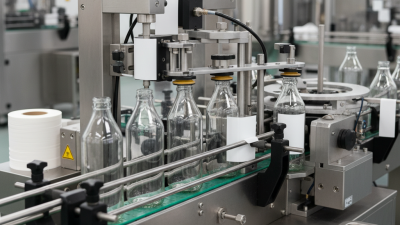
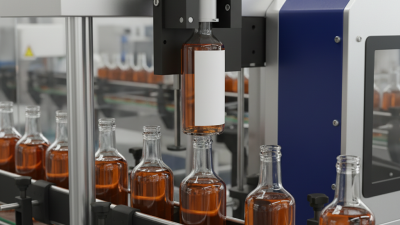
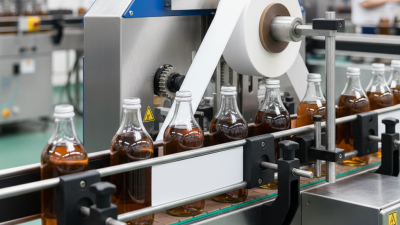
China offers strong manufacturing depth in conveyors, rotary applicators, pressure-sensitive systems, wraparound labelers, and vision inspection. Experienced suppliers can combine these units with filling and packaging lines. They may also provide stainless-steel frames, quick-change parts, servo control, and washdown-friendly designs. These features help beverage plants manage condensation and fast speeds. Food producers may need careful adhesive selection for cold storage, oily surfaces, or textured packaging.
However, “best” is not always the lowest quotation. It means verified performance. Buyers should request factory trials, sample-label testing, maintenance records, and clear acceptance standards. Ask for videos, but inspect the machine in operation whenever possible. A supplier’s response after installation also matters. Spare parts, training, remote support, and local service can prevent long downtime.
There is no perfect system. Product changes expose weaknesses. Labels wrinkle. Sensors misread. Good engineering plans for these moments. This guide examines how to evaluate China’s Food And Beverage Labeling Systems suppliers through practical experience, technical evidence, and responsible quality control.
Definition and Role of Food and Beverage Labeling Systems
China Best Food And Beverage Labeling Systems Supplier
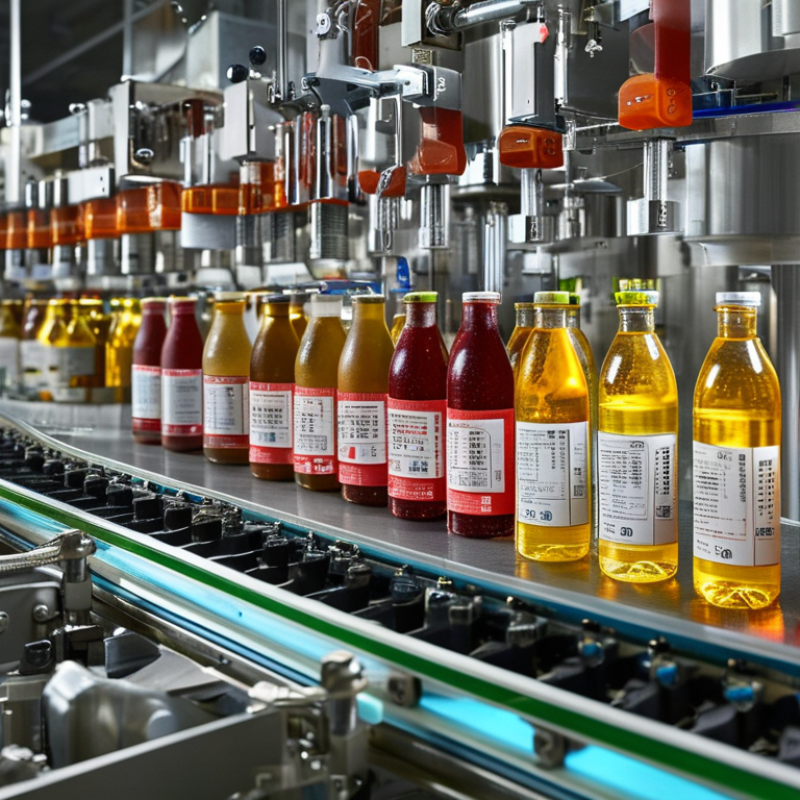
A food and beverage labeling system combines software, printers, sensors, conveyors, and applicators. It places clear information on bottles, cans, cartons, and flexible packages. Typical data includes product name, ingredients, allergens, nutrition, batch number, production date, and expiration date. The system also supports variable printing, helping manufacturers connect each package with production records. Small errors matter.
The World Health Organization estimates that contaminated food causes about 600 million illnesses and 420,000 deaths worldwide each year. Accurate labels cannot prevent every hazard. However, they improve product identification, recall speed, and consumer awareness. A readable batch code helps operators isolate affected lots instead of removing every product from shelves. GS1 standards also support consistent identification across supply chains, especially when products move between factories, warehouses, and retailers.
Labeling systems also improve operational control. Sensors can detect missing labels, tilted applications, poor contrast, or incorrect codes. Software may compare printed data with approved production orders. Yet automation is not infallible. Dust, condensation, reflective packaging, and rushed changeovers can create false readings. These weaknesses require trained operators, routine verification, and documented maintenance. The 2024 UNEP Food Waste Index Report estimated that 1.05 billion tonnes of food were wasted in 2022. Clearer date information may reduce avoidable disposal, but labeling alone cannot solve waste. Equipment selection should therefore consider hygiene, print accuracy, traceability, cleaning access, and the factory’s real production speed.
Key Technologies Used in Modern Labeling Equipment
Modern food and beverage labeling equipment depends on several coordinated technologies. Machine vision cameras inspect label position, print quality, barcodes, and missing information in real time. High-resolution sensors can detect a label shifted by only a few millimeters. That small difference matters on a fast production line.
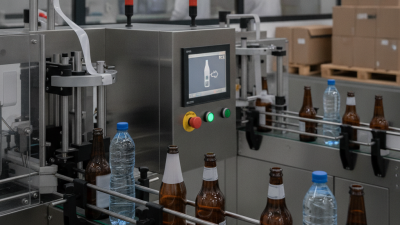
Servo motors control product spacing and label application with steady timing. Programmable logic controllers connect conveyors, sensors, printers, and reject devices. When these systems communicate correctly, operators receive immediate warnings instead of discovering errors during final packing. No sensor is perfect. Dust, condensation, and reflective bottles can still confuse inspection cameras, so regular cleaning and calibration remain essential.
Thermal transfer, laser marking, and inkjet coding technologies support batch numbers, dates, and traceability details. The right method depends on surface material, line speed, ink adhesion, and cleaning conditions. In production trials, technicians should test labels on chilled, wet, and textured containers. A clean sample is not enough. Small errors multiply. Software also helps store approved label layouts and control equipment access, reducing accidental changes. Yet automation cannot replace practical judgment. Operators may notice a loose roll, unusual vibration, or fading print before software reacts. Reviewing these observations can improve future settings, even when the first adjustment does not work.
How to Evaluate a China-Based Labeling Systems Supplier
China Best Food And Beverage Labeling Systems Supplier
How to Evaluate a China-Based Labeling Systems Supplier
A capable supplier should understand more than label placement. Ask how the system handles glass bottles, wet containers, changing speeds, and uneven surfaces. Request sample tests using your actual products and labels. See it run. Details matter. A reliable engineering team should explain conveyor design, sensor accuracy, changeover time, and cleaning access in clear language.
Review technical drawings, electrical standards, material specifications, and factory inspection records. Check whether food-contact areas use suitable materials and whether the machine supports hygienic maintenance. Ask for production data from similar applications, not only attractive videos. Speak with recent customers about delivery accuracy, training, spare parts, and response times. A supplier’s experience should appear in documents and practical demonstrations.
Do not judge quality by price alone. A low quotation may exclude installation, format parts, software updates, or testing. Clarify each item before signing. Also, examine communication during the evaluation. Slow answers can become serious delays later. This is where many buyers become too optimistic. I would also allow time for one more sample trial, because the first result may hide problems with condensation, adhesive buildup, or label tension. Ask why. Then record the answer.
Customization, Compliance, and Quality Control Standards
Choosing a reliable food and beverage labeling systems supplier in China requires more than comparing prices. Customization should match product shape, packaging material, production speed, and filling conditions. An experienced supplier can adjust label sensors, applicators, conveyors, and software for different container sizes. Small details matter. A narrow bottle may need a different positioning method than a carton.
Compliance must be built into the labeling process. The system should support accurate product names, ingredients, allergens, nutrition data, batch codes, and expiration dates. Requirements can differ by destination market, so technical teams should review current regional rules before production. Clear records, software permissions, and traceability tools also reduce manual errors. However, no system removes every risk. Poor setup, rushed training, or damaged labels can still affect a compliant package.
Tips: Request sample testing with your real containers and labels. Check print clarity under moisture, heat, and vibration. Ask for inspection records, calibration procedures, and operator training details. Quality control should cover incoming materials, machine performance, coding accuracy, and final packaging checks. A practical acceptance test is useful, although it may reveal weaknesses that initial demonstrations hide. That is not a failure. It shows where customization and process improvements are still needed.

 +86 15921716191
 Contact Phone
 Contact Email