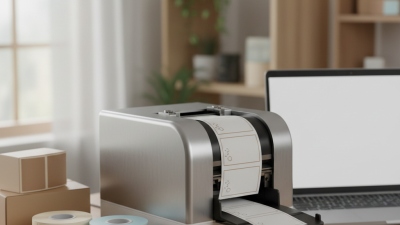
Why Choose Thermal Label Printing Machines for Your Business Needs?
In the fast-paced world of modern business, efficiency and accuracy are paramount. According to Dr. Emily Harper, an expert in printing technologies, "Thermal Label Printing Machines revolutionize the way businesses manage their labeling needs." Her insight highlights the transformative impact these machines have on operational workflows.
Thermal Label Printing Machines stand out for their reliability and cost-effectiveness. They streamline processes, reducing the time spent on printing labels. With a variety of applications, these machines cater to industries ranging from retail to logistics. The labels produced are not only durable but also resistant to fading. This ensures that important information remains clear and accessible.
However, businesses must consider their specific requirements. Not all thermal label printers are created equal. Some may fall short in speed or resolution. Investing time in research can greatly influence the success of your operations. Understanding the diverse features of different Thermal Label Printing Machines is vital for making informed purchasing decisions.
Factors Driving the Adoption of Thermal Label Printing Machines
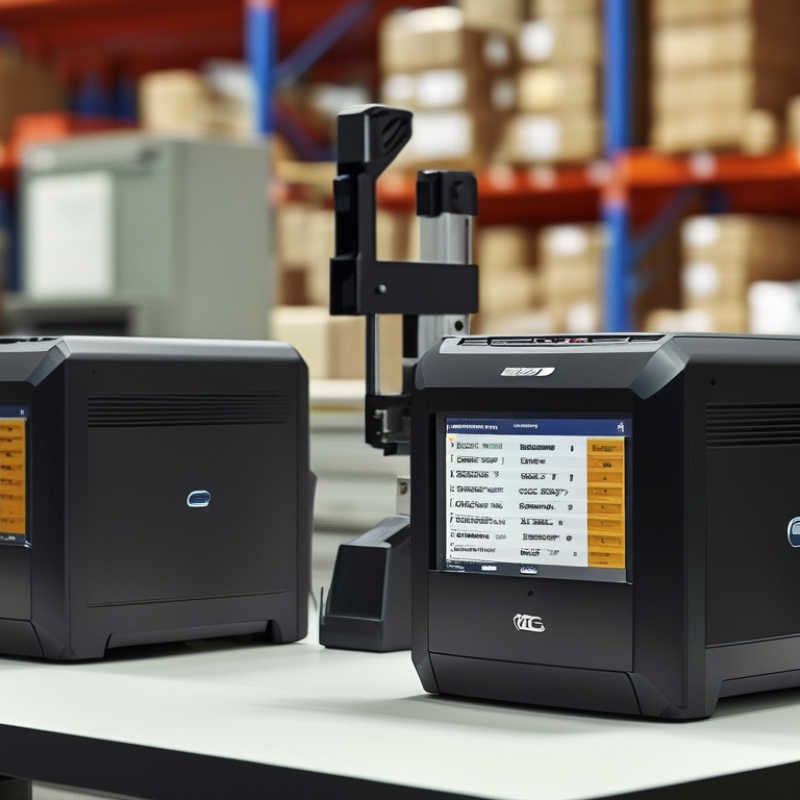
The rise of thermal label printing machines is reshaping various industries. Reports show that the thermal printing market is predicted to grow at a compound annual growth rate (CAGR) of 5.2% from 2021 to 2026. This growth is driven by the need for efficiency and cost savings. Businesses are recognizing the benefits of thermal label printers, which produce high-quality labels quickly. Such machines do not require ink or toner, significantly reducing operational costs.
Industries like retail and logistics are leading this trend. In retail, timely label printing can enhance customer experience. For logistics, accurate labeling is crucial for tracking and inventory management. Studies indicate that accuracy in labeling can reduce shipment errors by nearly 30%. This improvement can ultimately lead to increased profitability and customer satisfaction.
When adopting thermal label printing, consider your specific requirements carefully. Ensure that the machines you select are compatible with your existing systems. Evaluate the label materials and formats you’ll need to ensure optimum performance. Additionally, keep in mind that while thermal printing offers many advantages, it's essential to understand the limitations, such as print durability under certain environmental conditions. Regular training for staff on using these machines can also enhance efficiency in the long run.
Market Insights: Growth Statistics for Thermal Printing Technologies
The thermal printing market shows promising growth statistics that highlight its rising popularity. According to recent studies, the thermal label printing sector is expected to expand significantly in the coming years. Many businesses are turning to thermal technologies for their efficiency and reliability. This transformation is driven by the increasing demand for quick and cost-effective labeling solutions.
Recent data indicates that the global thermal printing market is projected to grow at a compound annual growth rate (CAGR) of over 10% through 2028. The rising applications in industries like logistics, retail, and healthcare are key factors propelling this growth. Companies require durable labels that can withstand various conditions, which thermal printing easily provides. Yet, some businesses hesitate to adopt this technology. They worry about initial costs and training staff effectively.
Companies also face challenges in integrating thermal printers into existing workflows. A lack of understanding about how to utilize these machines to their full potential can hinder implementation. It's essential for businesses to weigh the benefits against potential hurdles. By addressing these uncertainties, companies can better harness the power of thermal label printing.
Cost-Benefit Analysis of Thermal Printing vs. Traditional Methods
When considering printing needs for a business, thermal label printing machines stand out. They significantly reduce costs over time compared to traditional methods. Traditional printers require ink and costly paper. In contrast, thermal printers use heat to create images. This means lower operational costs and fewer supplies.
Thermal printing also improves efficiency. Labels print quickly and clearly, which can streamline operations. Businesses often face delays due to ink issues or paper jams. This can frustrate staff and affect customer satisfaction. By investing in thermal printers, companies can enhance their workflow and reliability.
However, there are challenges with thermal printing. The initial investment can be higher. Maintenance may also require specialized knowledge. Some users report that thermal labels can fade over time, which is important to consider. Businesses must weigh the long-term benefits against these factors. Understanding these details can help in making an informed decision.
Applications of Thermal Label Printing Across Diverse Industries
Thermal label printing has become a vital tool across various industries. Warehousing and logistics companies often rely on thermal printers for efficient shipping labels. These labels withstand different environmental conditions, ensuring legibility from dispatch to delivery. In retail, businesses use these printers for price tags and inventory management. This streamlines the checkout process, saving time and reducing human error.
Healthcare is another area utilizing thermal label printing. Hospitals and clinics need clear labels for medication and patient identification. Accurate labeling is crucial to patient safety. However, errors can occur if labels are misprinted or damaged. Continuous training and monitoring of the printing process help mitigate such risks.
In food and beverage, compliance with safety regulations demands clear labeling. Thermal label printers offer a solution for nutritional information and expiration dates. Yet, businesses must ensure labels adhere properly to packages. Improper application can lead to loss of information. Regular maintenance of the printing equipment is necessary to achieve optimal results.
Environmental Impact of Thermal Label Printing Solutions
Thermal label printing machines are gaining attention for their positive environmental impact compared to traditional printing methods. These machines use heat to transfer ink onto labels, eliminating the need for messy inks and solvents. This process reduces chemical waste, contributing less to landfill pollution. Moreover, the materials used in thermal printing often have a smaller carbon footprint. This change is crucial for businesses looking to adopt eco-friendly practices.
However, the environmental benefits come with some caveats. Not all thermal labels are recyclable, and businesses need to be mindful of their disposal methods. The adhesive on some labels can complicate recycling efforts. Companies should prioritize using eco-friendly labels, which can take more time and resources to source. A thorough evaluation of labeling options is essential.
Transitioning to thermal label printing can be a step in the right direction, yet it requires ongoing commitment. Businesses must weigh the convenience of these machines against the environmental consequences. Continuous advancements in technology may soon address these issues, leading to more sustainable solutions. Leaders in the field need to remain informed and adaptable to ensure they make responsible choices.

 +86 15921716191
 Contact Phone
 Contact Email