Custom Label Printing Applications for 2026 Top Trends?
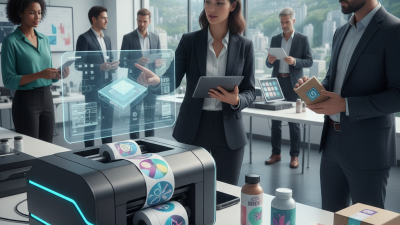
In the rapidly evolving world of Custom Label Printing And Application, 2026 promises exciting trends. Experts suggest that innovation is key to staying ahead. According to Sarah Thompson, a leading authority in the industry, “Every label tells a story; it’s essential to harness that narrative effectively.” Her insights reflect the growing importance of personalized designs and functionality.
As brands seek unique identities, custom labels become pivotal. Companies are exploring eco-friendly materials and smart technology integration in their designs. Consumers increasingly favor sustainable options, pushing brands to adapt.
However, challenges remain. Not all businesses can balance quality with cost. Customization can lead to inefficiencies if not managed well. The journey towards optimal application requires careful planning and creativity. The landscape is rich with possibilities, but navigating it demands expertise and awareness of emerging trends in Custom Label Printing And Application.
Key Applications of Custom Label Printing in Various Industries
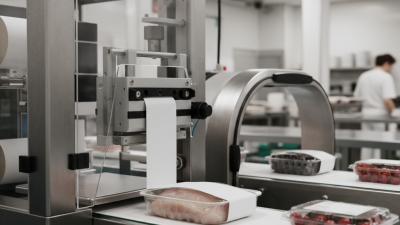
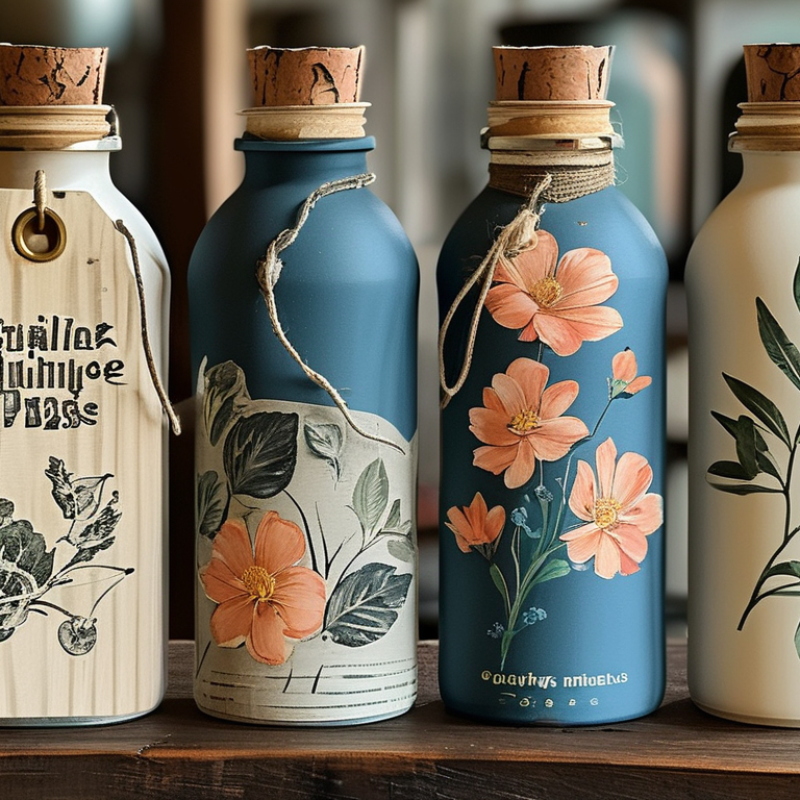
Custom label printing has become essential across industries. In 2026, we will see exciting applications that can enhance brand identity and operational efficiency. The food industry particularly benefits from custom labels. Bright, colorful designs can attract consumers. Clear information about ingredients can build trust. Labels can also offer nutritional facts, catering to health-conscious customers.
In the beauty sector, personalized labels enhance the product experience. Companies can print labels that reflect their brand story. Seasonal themes can create excitement during holidays. Retailers may also use labels for promotions, boosting customer engagement. Think about how labels can be adapted for specific events or limited editions.
Tips: Focus on high-quality materials for durability. Experiment with finishes like matte or gloss for different impacts. Ensure that the label reflects your brand’s message clearly. Reflect on the designs and test them. Gather feedback to optimize your labels before final production. Small changes can lead to significant improvements.
Sustainable Materials and Eco-Friendly Practices in Label Printing
The future of label printing in 2026 is increasingly focused on sustainable materials. As industries pivot towards eco-friendly practices, the demand for biodegradable and recyclable labels rises. These materials minimize environmental impact while maintaining durability and optimal performance. Innovations in plant-based inks and adhesives have made significant strides. They offer vibrant colors without harmful chemicals.
Printing processes are also evolving. Many companies are adopting water-based inks and energy-efficient machinery. These changes not only reduce waste but also lower production costs. However, the transition can be challenging. Some manufacturers struggle to find reliable suppliers for sustainable materials. There is a risk of compromising quality during this shift.
Consumer awareness is growing too. Buyers are more conscious about eco-friendliness. They are willing to pay extra for sustainable labels. This trend pressures brands to adapt or risk falling behind. Nevertheless, challenges remain. The balance between sustainability and cost-effectiveness often needs careful consideration. Brands must navigate this complexity thoughtfully.
Custom Label Printing Applications for 2026 Top Trends? - Sustainable Materials and Eco-Friendly Practices in Label Printing
| Material Type |
Eco-Friendliness Rating |
Recyclability |
Cost Indicator ($/1000 labels) |
Market Demand (%) |
| Biodegradable Paper |
High |
Yes |
50 |
70 |
| Recycled PET |
Medium |
Yes |
60 |
65 |
| Plant-Based Inks |
High |
N/A |
40 |
75 |
| Compostable Films |
High |
Yes |
70 |
60 |
| Water-Based Adhesives |
Medium |
N/A |
55 |
68 |
Technological Innovations Shaping Custom Label Design and Production
In 2026, custom label printing is set to see significant advancements. Technological innovations will drive changes in design and production processes. A report by Smithers Group indicates that the global label market will reach $50 billion by 2026, with custom labels leading the charge. Automation and digital printing technologies are pushing the boundaries of what's possible in label production.
Label production will leverage augmented reality (AR) and internet of things (IoT) technologies. The integration of AR can enhance customer interaction with the label. Producing labels that can be scanned for additional product information adds value and engagement. This trend will appeal to consumers who seek more immersive experiences. Using data effectively is vital. Analyzing consumer preferences can guide design choices.
Tips: Consider sustainable materials in label production. Shifting to eco-friendly options can reduce waste and attract environmentally conscious consumers. Experiment with various finishes and textures. Unique touches can differentiate your products on store shelves. Monitoring trends in color and typography is essential, as these elements can significantly impact consumer decisions.
Emerging Trends in Personalization for Consumer Engagement
In 2026, personalization stands as a key trend in consumer engagement. Brands are leveraging custom label printing to connect with individuals on a deeper level. This trend reflects a broader movement toward individualized experiences. Shoppers now expect products to resonate with their identity and values.
Emerging innovations in label printing technology allow for rapid customization. Short runs of personalized labels can be produced efficiently. This makes it possible for consumers to engage with brands through unique packaging. Consider labels that tell a story or evoke emotion. Such details can transform a product from ordinary to memorable. The challenge lies in balancing personalization with scalability. Brands must explore how to efficiently meet distinct consumer needs.
Engaging consumers through custom labeling requires a thoughtful approach. It's crucial to consider what resonates with target audiences. Not every personalization effort leads to increased sales. Some may miss the mark, leaving consumers indifferent. Brands should continually gather feedback and refine their strategies. This iterative process ensures that personalization efforts remain relevant and effective.
Future Market Growth and Predictions for Custom Label Printing Solutions
The custom label printing market is poised for significant growth in the coming years. According to a recent industry report, the global custom label market is expected to reach $53 billion by 2026, expanding at a CAGR of approximately 4.5%. Factors driving this growth include e-commerce expansion and the increased demand for sustainable packaging solutions.
Customization is becoming vital. Consumers now prefer personalized products. Many brands recognize that labels are essential for branding and customer engagement. Innovative technologies like digital printing are leading to faster turnaround times and improved print quality. This trend is indicative of broader shifts towards on-demand production practices.
However, challenges remain. Some companies struggle with maintaining quality while reducing costs. Adopting advanced printing techniques can present a learning curve. Sustainability also poses questions: how can businesses balance eco-friendliness with cost-effectiveness? This complex landscape requires careful navigation to ensure brands move forward without compromising their values. The future of custom label printing is bright, but it demands continuous adaptation and strategic foresight.
Custom Label Printing Applications for 2026 Top Trends

 +86 15921716191
 Contact Phone
 Contact Email