China Top Labeling Machines for Bottles Manufacturers
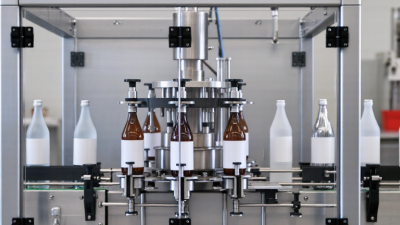
China has become a major production base for bottle labeling equipment, serving beverage, food, cosmetic, chemical, and pharmaceutical plants worldwide. Labeling Machines For Bottles now range from compact wrap-around units to high-speed rotary systems. Each design suits a different container shape, material, and production target.
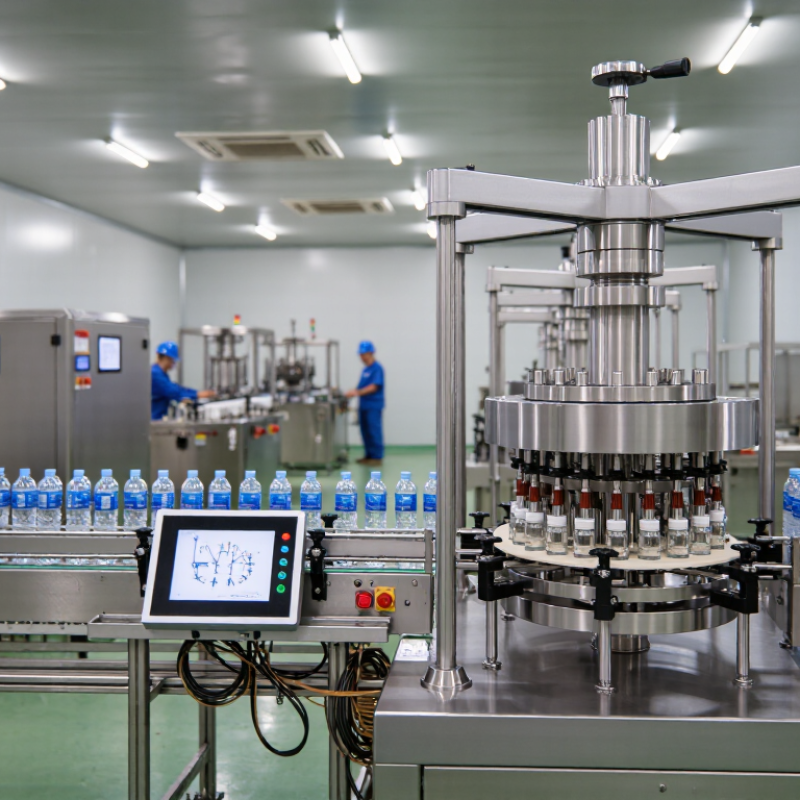
Industry data shows why this market matters. Grand View Research identifies packaging automation as a continuing growth area, supported by rising consumer-goods production and stricter presentation standards. Mordor Intelligence also reports steady expansion in the global labeling machine market, driven by bottled beverages, personal care, and pharmaceutical packaging. PMMI’s packaging machinery research highlights labor efficiency, equipment flexibility, and faster changeovers as key purchasing priorities. These findings match factory experience: a reliable machine must apply labels accurately while bottles move quickly along a stainless-steel conveyor.
China’s leading manufacturers compete through servo control, vision inspection, glue management, and customized feeding systems. Practical details matter. A 500-milliliter PET bottle may need different pressure settings from a glass cosmetic jar. Humidity can affect adhesive performance. Uneven bottle surfaces can expose weak machine calibration.
Small errors become expensive.
Selecting a supplier requires more than comparing speed figures. Buyers should review factory testing records, installation support, spare-parts availability, and verified certifications. However, published specifications do not always reveal long-term stability. This is an area that deserves more careful evaluation. A trustworthy manufacturer should provide sample trials, transparent performance limits, and references from comparable bottle lines. This guide examines China’s top labeling machine manufacturers through engineering capability, application experience, quality control, and after-sales reliability.
Bottle Labeling Machine Types in China: Typical Speeds of 30–300 Bottles/Min
China’s bottle labeling machine manufacturers commonly offer wrap-around, front-and-back, top, and tamper-evident systems. Typical speeds range from 30 to 300 bottles per minute. The correct choice depends on bottle shape, label material, and production targets.
In practical factory trials, round bottles often run fastest on rotary or wrap-around machines. A stable conveyor can support 180 to 300 bottles per minute with short labels. Square and oval bottles usually need controlled spacing and side-belt positioning. Their realistic speed may fall between 60 and 160 bottles per minute. That difference matters.
Small batches often use semi-automatic machines at 30 to 60 bottles per minute. They suit frequent product changes and limited floor space. Automatic inline systems can reach 120 to 240 bottles per minute after careful setup. Some high-speed models approach 300 bottles per minute, but this figure is not guaranteed. Label length, adhesive strength, bottle moisture, and operator adjustments can reduce output.
A useful acceptance test should measure continuous production, not a brief demonstration. Check label placement, wrinkles, missing labels, bottle jams, and reject rates. Use the actual bottle and label roll whenever possible. Minor alignment errors may appear after several hours. That is easy to overlook.
Manufacturers with strong engineering support should provide speed curves, sample testing, spare-parts guidance, and documented commissioning procedures. Ask how quickly the machine handles bottle changes. A fast machine is less valuable if format adjustment takes forty minutes. Some specifications also exclude accumulation conveyors and rejected bottles. Read them carefully.
China Bottle Labeling Machine Types and Typical Speeds
Typical operating speeds vary by labeling method, bottle shape, label material, and product handling requirements. Pressure-sensitive and wrap-around systems commonly serve low-to-medium speed lines, while rotary systems are designed for higher-volume production. The ranges shown are representative industry operating ranges rather than guaranteed machine specifications.
Quality Standards for Chinese Manufacturers: ISO 9001, CE, and GMP
For buyers comparing China’s top bottle labeling machine manufacturers, certificates are only a starting point.
ISO 9001 indicates controlled processes, not automatic machine quality. Ask for the certificate scope, current validity, and issuing body’s accreditation. A credible supplier can explain how sensors, rollers, and conveyor parts are inspected. It should also trace each finished machine to its inspection report.
CE marking should be treated carefully.
It generally supports conformity with applicable European safety and electromagnetic requirements. It is not a universal quality award. Request the Declaration of Conformity, risk assessment, wiring diagrams, and test evidence. During a factory audit, check emergency stops, guards, label sensors, and operator instructions. Small details matter. A loose cable can stop a line.
GMP is usually a facility and process discipline, not a machine certificate.
For pharmaceutical, cosmetic, and food applications, look for cleanable surfaces, protected drives, and documented cleaning procedures. Ask how calibration, software changes, and corrective actions are recorded. Site acceptance testing should use real bottle sizes and label materials. The machine may run beautifully for one hour, then drift after a long shift. That weakness deserves honest discussion, not a polished promise. Good manufacturers welcome evidence-based questions and disclose limits before shipment.
Selecting Leading Manufacturers: Capacity, ROI, Customization, and Service
China Top Labeling Machines for Bottles Manufacturers
Selecting a bottle-labeling manufacturer requires more than comparing machine prices. Grand View Research valued the global packaging machinery market at about USD 52.8 billion in 2023. It also forecasts a 5.8% annual growth rate through 2030. This expansion increases supplier choices, but not every factory offers equal engineering depth. Ask for verified output records, not attractive catalog figures. A machine rated at 200 bottles per minute may slow to 140 when handling wet bottles, tapered containers, or frequent label changes.
Capacity must match your actual production rhythm. PMMI industry reports consistently identify labor efficiency, automation, and flexible packaging formats as major investment drivers. Request a factory test using your bottles, labels, adhesive, and line speed. Measure rejection rates, changeover minutes, and label placement accuracy. Small details matter. A two-minute adjustment repeated ten times daily can consume over 120 hours annually.
ROI should include installation, training, spare parts, energy use, and downtime. For example, reducing manual labeling by two operators may create measurable savings, but only if maintenance support is reliable. Customization may involve conveyor width, sensor systems, wrap-around modules, or washdown protection. Avoid paying for unnecessary features. That mistake is common. Service quality deserves equal attention: confirm response times, remote diagnostics, technician availability, and spare-part lead times. A lower initial quote can become expensive when production stops and the supplier cannot identify the fault quickly. Review references from similar bottle materials and production volumes, then document every performance promise in the purchase agreement.

 +86 15921716191
 Contact Phone
 Contact Email