How to Choose Labeling Machines for Bottles
Choosing the right Labeling Machines For Bottles can shape production speed, product appearance, and long-term operating costs. A suitable machine applies labels evenly, reduces waste, and supports consistent bottle presentation. The wrong choice may create wrinkles, crooked labels, or frequent production stops.
Bottle material matters. Glass, PET, HDPE, and metal containers behave differently during labeling. A round glass bottle may need different handling from a soft plastic container. Consider bottle diameter, height, surface texture, and stability on the conveyor. Label size also affects machine selection, especially when labels wrap around curved surfaces.
Production volume should guide the machine’s capacity. A small workshop may need a compact semi-automatic model. A large facility may require an automatic system with sensors, speed controls, and integrated inspection. Adhesive performance deserves attention too. Temperature, humidity, dust, and storage conditions can change results. Test real bottles and labels before making a final decision.
Practical experience often reveals details that brochures miss. Ask suppliers for trial runs, maintenance records, operator training, and verified performance data. Check whether spare parts are available locally. Confirm that guards, electrical systems, and operating procedures meet applicable safety requirements. These steps support reliable purchasing and safer production.
No machine is perfect. A faster model may demand more skilled maintenance. A cheaper option may limit future growth. Plan for change. Leave space for adjustments, new label designs, and seasonal production increases. Review rejected bottles carefully, because small alignment problems can reveal larger process weaknesses. Reliable labeling comes from matching equipment to real working conditions, not impressive specifications alone.
Bottle Labeling Machine Types and Their Operating Principles
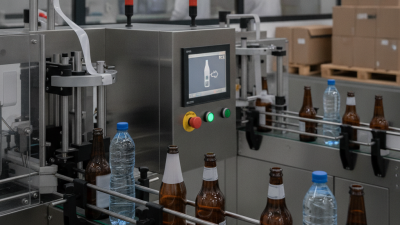
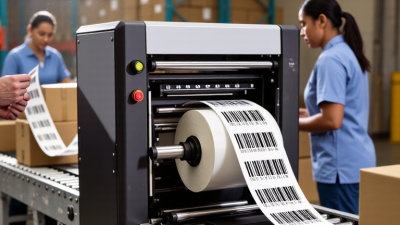
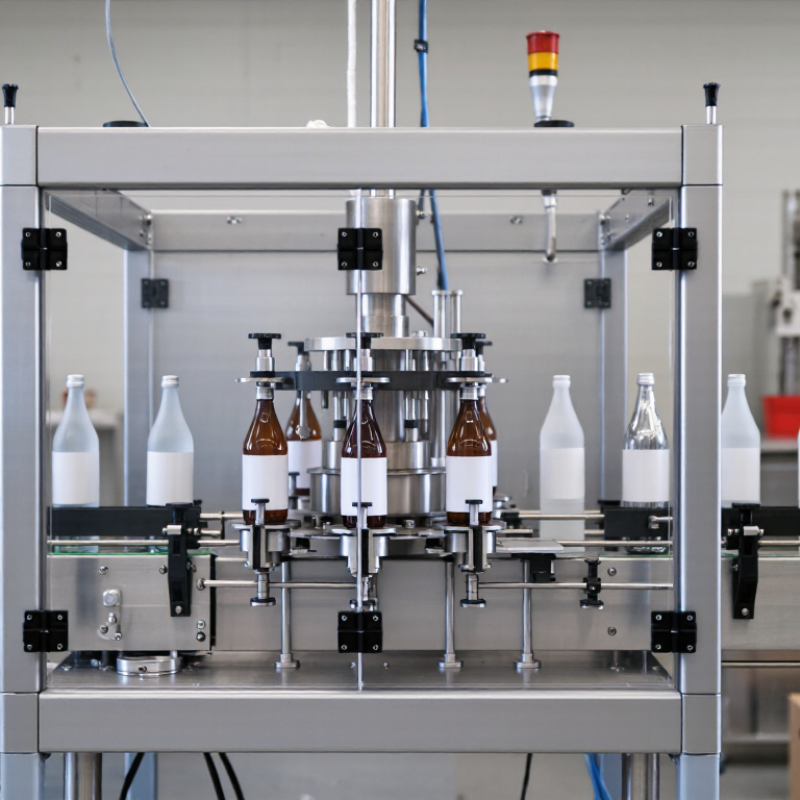
Choosing a bottle labeling machine starts with understanding how each type applies and controls the label. Pressure-sensitive machines use adhesive-backed labels. A conveyor aligns each bottle, while a sensor detects its position. The applicator then presses the label onto the container. This system suits glass, plastic, and many small production lines. It also allows quick label changes, although dust or uneven surfaces can reduce adhesion.
Wrap-around machines use a continuous label strip around cylindrical bottles. Rollers rotate each bottle while a cutting or feeding unit controls label length. They work well for high-speed packaging and consistent bottle shapes. Glue-based machines apply adhesive to the label before contact. They can reduce material waste, but cleaning may take longer. Rotary systems improve spacing and speed by holding bottles on a rotating platform. Their accuracy depends on stable bottle dimensions and careful setup.
Tips: Match the machine to bottle shape, material, speed, and label size. Check the sensor position with several empty bottles before production. Keep rollers clean and inspect pressure daily. From production trials, I have found that a fast machine is not always the best choice. Small bottles may shift during transfer. That detail is easy to miss. Leave room for adjustment, because real packaging lines rarely behave perfectly. Test filled bottles too, since their weight can change stability.
Integration, Maintenance, and Safety Considerations
How to Choose Labeling Machines for Bottles
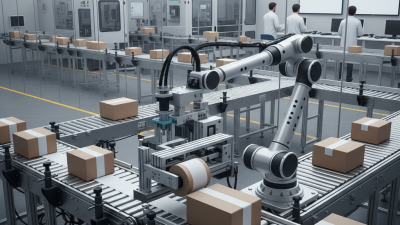
Integration determines whether a labeling machine supports production or creates another bottleneck. Check bottle diameter, conveyor height, line speed, and label placement before choosing equipment. The machine should communicate reliably with fillers, sensors, and downstream inspection units. A missed signal can leave an unmarked bottle moving through the line. Test real bottles, not only drawings or sample containers. Small changes in surface moisture can affect label adhesion.
Maintenance deserves equal attention. Choose a design with accessible rollers, clear adjustment points, and replaceable wear parts. Operators should clean adhesive residue before it hardens around sensors or guide rails. Keep a simple log for cleaning, calibration, label changes, and repeated faults. I once underestimated the effect of a loose guide. It caused uneven spacing for hours. That mistake changed our maintenance checks, although the revised routine still needs improvement.
Tips: Leave room around the machine for inspection. Confirm emergency stops are visible and reachable. Use guards around moving rollers and conveyors. Train operators to isolate power before clearing jams. A safety checklist should match the actual machine, not a generic template. Ask technicians to verify sensor alignment after every major adjustment. A dry run with empty bottles can reveal timing problems without wasting materials. If integration seems flawless, test it again during a slow startup.
Cost Evaluation and Selection of the Right Labeling Solution
How to Choose Labeling Machines for Bottles
Cost evaluation should begin with total cost of ownership, not the purchase price. A machine priced lower may create higher labor, waste, and maintenance expenses. Grand View Research estimates the global labeling machines market will grow at about 5.5% annually through 2030. This growth reflects rising demand for consistent, automated packaging operations.
Measure the bottle range, label material, line speed, and daily production hours. A pressure-sensitive labeler may suit frequent product changes and different bottle shapes. A sleeve or wraparound system may perform better for high-volume runs. Ask suppliers for a timed trial using your actual bottles and labels. Record changeover minutes, rejected labels, cleaning time, and compressed-air consumption. Small losses become expensive over twelve months.
PMMI industry reports repeatedly identify labor availability and automation as major packaging concerns. That makes reliable operation valuable, but automation is not automatically economical. Calculate payback using realistic uptime, not the salesperson’s ideal figure. Include spare parts, operator training, software integration, and planned servicing. Also check whether the machine can communicate with existing conveyors and inspection equipment. A neat spreadsheet can still mislead. My practical preference is a solution with simple adjustments, visible fault indicators, and accessible wear parts. The cheapest option may win the quotation and lose the production schedule. Recheck assumptions after a pilot run.
How to Choose Labeling Machines for Bottles
Indicative five-year cost evaluation by labeling solution
The estimates include equipment, installation, routine maintenance, and typical consumables over five years. Manual systems generally suit low-volume production, while inline and rotary systems become more economical as required throughput increases.

 +86 15921716191
 Contact Phone
 Contact Email