China Best Automatic Weigh Price Labelling Machines?
Choosing China’s best Automatic Weigh-Price Labelling Machines requires more than comparing prices. A strong machine must weigh products accurately, calculate selling prices, and apply readable labels at production speed. It should also fit the product, packaging format, and working environment.
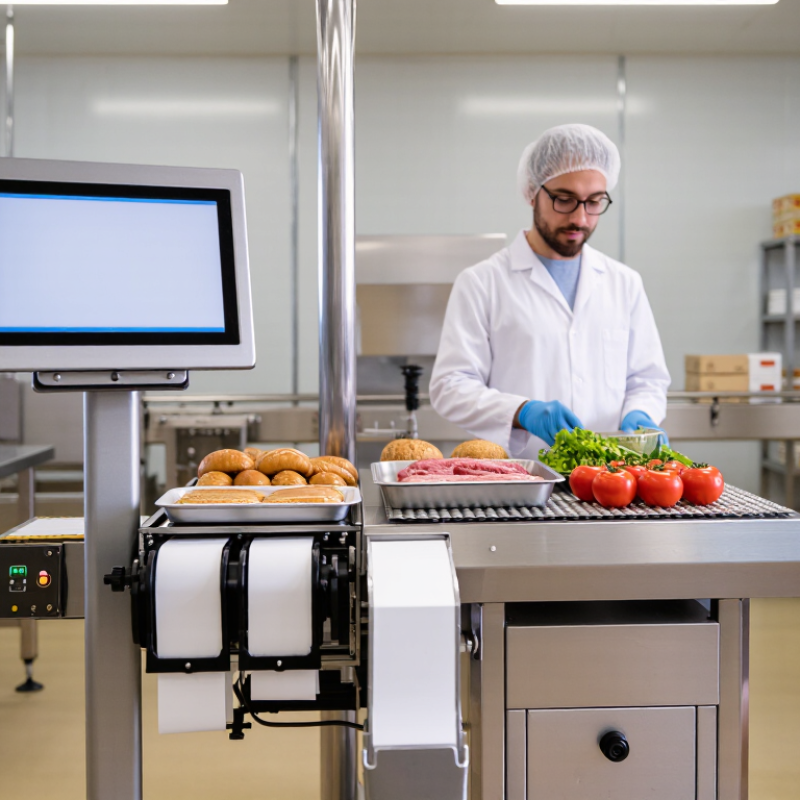
In practical use, operators may place chilled meat, fresh produce, bakery items, or prepared foods on the weighing platform. The machine should handle moisture, irregular shapes, and changing product weights without frequent interruptions. Clear software, stable sensors, and simple label replacement can reduce daily errors. Food-contact components, electrical safety, calibration procedures, and traceability records deserve close attention. These details often reveal more than impressive catalog photographs.
Speed matters.
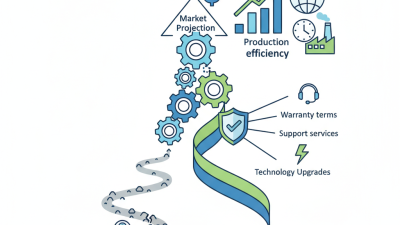
However, no single machine is best for every business. A supermarket may need compact equipment and flexible label designs. A processing plant may prioritize conveyor integration, data connectivity, and continuous operation. Buyers should request product tests using their own packaging and weight range. They should also check after-sales support, spare-part availability, warranty terms, and installation training in writing. A low purchase price can become expensive when technical support is slow.
This guide examines leading Chinese suppliers through performance, reliability, customization, and service quality. It considers measurable factors, including weighing precision, labelling speed, touchscreen usability, cleaning access, and software stability. Some supplier claims may require independent verification. That is an important limitation. Careful buyers should compare test records, certifications, factory experience, and customer feedback before making a final decision. The right choice is not merely the fastest machine. It is the machine that performs consistently during real production, with fewer surprises and clearer accountability.
What Are Automatic Weigh Price Labelling Machines?
China Best Automatic Weigh Price Labelling Machines?
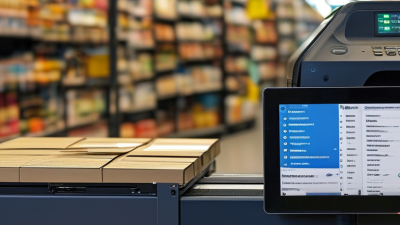
An automatic weigh price labelling machine weighs a product, calculates its selling price, prints a label, and applies it. The system uses a load cell, conveyor, control software, printer, and labelling unit. It suits meat, produce, seafood, bakery goods, and other variable-weight products.
The process is practical.
A pack enters the conveyor. The load cell records its weight. Software combines that weight with the stored unit price. The printer then creates a label showing weight, price, product information, and traceability data. Some systems can also check package weight and reject unstable items.
MarketsandMarkets’ 2024 Labeling Equipment Market report estimates growth from about US$5.6 billion in 2023 to US$7.3 billion by 2028. Its findings reflect stronger demand for automation, accuracy, and connected production.
GS1 guidance also highlights reliable barcode data as a foundation for scanning and inventory control.
Still, automation is not magic. Poor product placement, vibration, moisture, or weak data settings can reduce accuracy.
Tips: Test the machine with real products, not empty trays. Check label adhesion during cold-room operation. Verify weighing performance at different speeds. Keep price files controlled and traceable. OIML R 76 principles can guide weighing-equipment verification, but local requirements may differ. A short trial often reveals problems that a supplier demonstration hides.
How Do Automatic Weigh Price Labelling Machines Work?
An automatic weigh price labelling machine combines weighing, product identification, price calculation, and label application in one controlled line. The product enters on a conveyor and rests briefly on a load cell. The load cell measures its weight, while a photoelectric sensor confirms its position. A control system then matches the product with a stored product code, or PLU.
The software multiplies weight by the approved unit price. It sends the result to a thermal printer, which creates a label showing weight, price, date, and barcode data. An applicator presses the label onto the package. Some systems check the printed code and reject unreadable labels automatically. Speed depends on product shape, conveyor spacing, and weighing stability. Wet surfaces and shifting products still cause trouble.
PMMI reported that U.S. packaging machinery shipments reached 10.2 billion dollars in 2022, rising 11.2% from the previous year. Its industry reports also identify labor availability as a continuing automation driver. The International Federation of Robotics recorded 541,302 industrial robot installations worldwide in 2023, showing wider investment in automated production. These figures do not directly measure price labellers, but they explain the market direction. Calibration remains the weak point. A fast machine can still produce inaccurate labels when vibration, airflow, or poor maintenance affects the load cell. Regular test weights, clean conveyors, and documented checks matter more than impressive speed.
China Best Automatic Weigh Price Labelling Machines? - How Do Automatic Weigh Price Labelling Machines Work?
Typical specifications and operating characteristics of automatic weigh price labelling machine configurations
| Machine Configuration |
Typical Product Type |
Weighing Range |
Typical Weighing Accuracy |
Typical Throughput |
Label Placement |
Common Application |
| Standard conveyor weigh-price labeller |
Uniform trays, cartons and packaged food |
50 g–6 kg |
Typically ±1–3 g, depending on product and speed |
Up to approximately 30–60 packs/min |
Top, side or wrap-around |
Retail meat, seafood, produce and prepared foods |
| High-speed fresh-food labeller |
Rigid trays with consistent dimensions |
100 g–5 kg |
Typically ±1–2 g under controlled conditions |
Approximately 60–100 packs/min |
Top or top-and-bottom |
High-volume supermarket and food-processing lines |
| Heavy-duty weigh-price labeller |
Large meat cuts, bulk produce and industrial packs |
500 g–30 kg |
Typically ±5–10 g, depending on load cell and product movement |
Approximately 10–35 packs/min |
Top, side or front |
Wholesale packing, foodservice and industrial distribution |
| Multi-lane weigh-price labeller |
Small and medium uniform packages |
20 g–3 kg per pack |
Typically ±1–2 g per lane |
Approximately 80–160 packs/min total |
Top or top-and-bottom |
Centralized production lines with multiple product lanes |
| Manual-load automatic labeller |
Irregular products and low-to-medium production volumes |
50 g–10 kg |
Typically ±2–5 g |
Approximately 15–40 packs/min |
Top or side |
Retail counters, butcher shops and flexible production |
How an automatic weigh price labelling machine works
| Step |
Process |
Main Equipment Function |
Result |
| 1 |
Product infeed |
A conveyor or operator places the product onto the weighing section and maintains a controlled product gap. |
The product enters the weighing area in a stable position. |
| 2 |
Dynamic weighing |
A load cell measures the product while it moves across the weigh conveyor. Signal processing compensates for normal conveyor movement and vibration. |
The actual product weight is recorded. |
| 3 |
Price calculation |
The controller matches the product code with the stored price per kilogram and calculates the selling price from the measured weight. |
Weight, unit price and total price are calculated automatically. |
| 4 |
Label printing |
A thermal print engine produces a label containing selected information such as product name, net weight, unit price, total price, date and barcode. |
A product-specific price label is printed in real time. |
| 5 |
Label application |
A pneumatic or motorized applicator places the label on the programmed surface, such as the top, side or front of the package. |
The labelled product leaves the machine ready for packing or retail display. |
| 6 |
Data and quality control |
The system can store product recipes, monitor label status, identify weight errors and communicate with production or retail systems through supported interfaces. |
Consistent pricing, traceability and reduced manual data entry. |
Note: Capacity and accuracy are typical industry ranges. Actual performance depends on product shape, temperature, packaging, conveyor stability, label format, calibration and operating conditions.
Key Features of China-Made Weigh Price Labelling Machines
China Best Automatic Weigh Price Labelling Machines?
China-made weigh price labelling machines now combine load-cell weighing, automatic pricing, and thermal printing in one compact frame. PMMI’s 2024 State of the Industry report valued U.S. packaging machinery shipments at approximately US$11.3 billion in 2023. This demand reflects a practical need for faster, traceable packing lines. Key features include stainless-steel contact surfaces, touchscreen controls, adjustable belt speeds, and Ethernet or USB data connections. Many models support barcode formats and produce labels within seconds. However, advertised speed often depends on product shape, operator skill, and label size.
Accuracy deserves closer attention. A reliable machine should offer stable load-cell readings, simple calibration, and clear error alerts. Look for repeatability data, not only a maximum capacity figure. IP-rated housings help protect sensors from dust and moisture, although they do not remove cleaning risks. Fortune Business Insights has projected continued growth in the automatic labelling equipment market, driven by food, logistics, and retail automation. China’s manufacturing strength can reduce lead times and customization costs, but software quality and after-sales support still vary. That part is easy to underestimate.
Tips: Test irregular products before ordering. Request sample labels and calibration records. Check whether the printer supports your label stock and barcode system. Ask for a factory acceptance test using your real product weights. A lower purchase price may become expensive when sensors drift, interfaces confuse operators, or spare parts arrive slowly. Small details matter.
China Best Automatic Weigh Price Labelling Machines: Key Feature Benchmarks
Representative weighing-capacity classes commonly used for automatic price-labelling applications.
Higher-capacity systems are generally selected for bulk goods and industrial products, while lower-capacity systems are more suitable for fresh food, meat, seafood, and retail packs. Actual performance depends on product shape, conveyor configuration, label size, and required weighing accuracy.
How to Choose the Right Machine for Your Business
Choosing the best automatic weigh price labelling machine starts with your products, not the lowest quote. Measure package sizes, target weights, label dimensions, and daily output. A compact machine may suit a small shop, while a production line needs faster weighing and steadier label placement. Ask for test results using your actual products. It matters.
Check weighing accuracy, speed, software controls, and cleaning access. For fresh food, open frames and removable contact parts can reduce maintenance time. Confirm whether the printer supports your required label formats, barcodes, prices, and production data. A clear touchscreen helps operators work faster and make fewer entry errors. Training should be practical, not only a manual.
When comparing suppliers in China, inspect construction materials, electrical protection, spare-part availability, and after-sales response. Request videos of continuous operation and a written acceptance standard. Do not trust a polished sample alone. It may hide slow feeding or unstable labels. Consider installation, shipping, language support, and future upgrades in the total cost. I have seen buyers focus on capacity, then struggle with cleaning or software changes. That choice looked efficient on paper, but daily work proved otherwise. Leave room for mistakes, product variation, and seasonal demand. A reliable machine should fit your workflow, not force your staff to redesign it.

 +86 15921716191
 Contact Phone
 Contact Email