+86 15921716191


Customized Automated Labeling Solutions are becoming a practical response to faster production, labor shortages, and stricter traceability requirements. The global industrial labeling market is expanding as manufacturers improve packaging accuracy and line flexibility, according to Smithers’ market research. PMMI’s automation studies also identify workforce shortages as a major reason companies invest in automated equipment.
“Automation is no longer a nice-to-have; it is becoming a must-have,” says Jorge Izquierdo, Vice President of Market Development at PMMI. His observation reflects what many packaging plants now experience. A labeling line cannot afford frequent pauses, crooked labels, or unreadable barcodes. Small errors become expensive when thousands of cartons move through a facility each hour.
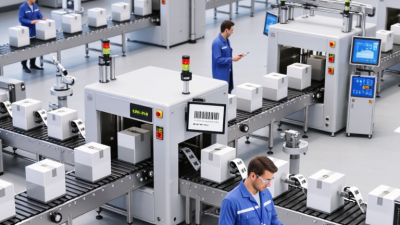
Customized Automated Labeling Solutions can integrate sensors, vision inspection, print-and-apply systems, conveyors, and production software. A beverage plant may need wraparound labeling at high speed. A medical-device manufacturer may require controlled placement, verification, and detailed batch records. The design must fit the product, not force the product into a generic machine.
Recent PMMI reports emphasize integration, data visibility, and easier changeovers. These findings support a more practical purchasing question: how will the system perform during real shifts? Forecasts can miss that detail. Dust, humidity, uneven containers, and inexperienced operators still create problems.
A reliable solution therefore begins with site testing, label trials, and measurable acceptance standards. Speed matters. So does consistency. Cost matters, too, but the cheapest machine may create hidden rework and maintenance expenses. Manufacturers should compare uptime, inspection accuracy, service support, and future scalability before choosing a supplier.
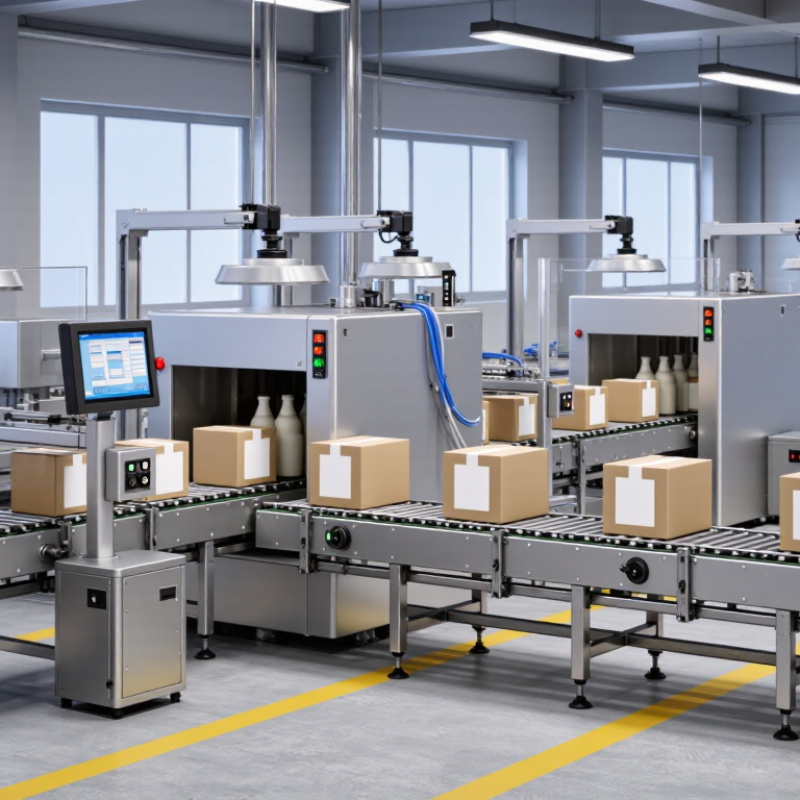
Customized automated labeling solutions are systems designed around a product’s shape, label material, speed, and packaging process. They combine applicators, sensors, conveyors, software, and inspection devices. The goal is not simply applying a label. It is placing the correct label accurately, repeatedly, and with minimal manual handling.
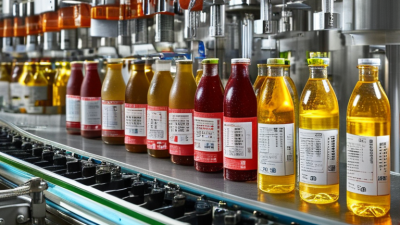
According to a 2024 MarketsandMarkets report, the global automated labeling machine market is projected to grow from about USD 2.2 billion in 2023 to USD 3.1 billion by 2028. This growth reflects demand for flexible production and better traceability. A customized system may handle round bottles, flat cartons, pouches, or irregular containers. It can also adjust label position through optical sensors and recipe-based controls. Small details matter. A two-millimeter shift may weaken packaging quality.
Small details matter. A two-millimeter shift may weaken packaging quality.
In practice, customization begins with testing real products, labels, adhesives, and line speeds. The PMMI 2023 report on automation highlights labor efficiency and production flexibility as major investment drivers. Yet automation is not automatically perfect. Poor label adhesion, dusty surfaces, or inconsistent container spacing can still cause failures. Engineers should record rejection rates, changeover time, and maintenance needs before selecting equipment. A fast machine is not always the best solution. Sometimes, simpler control is more reliable.

China Best Customized Automated Labeling Solutions?
Core Components and Operating Principles
Customized automated labeling begins with the product, not the machine. Container shape, surface energy, label material, speed, and tolerance define the design. Core components usually include an unwind unit, web guide, servo drive, encoder, sensor, applicator, PLC, HMI, and inspection camera. Each part has a specific task. The encoder measures product movement. The sensor confirms position. The PLC synchronizes release and application. The applicator then presses the label onto a controlled surface.
The operating cycle is simple, but not always forgiving. A conveyor moves each container through a fixed detection zone. The sensor sends a signal to the controller. The controller calculates the delay using conveyor speed and encoder pulses. The label advances, separates from its liner, and reaches the product at the target point. A pressure roller removes air pockets. The inspection unit checks presence, position, and readability. Defective units should be diverted safely. That detail matters.
Industry data supports careful customization. Smithers projects the global packaging market will exceed 1.2 trillion US dollars by 2028, increasing demand for flexible automation. FINAT’s 2024 Radar reported European self-adhesive label demand declined in 2023, showing why efficiency cannot rely on volume alone. In practice, poor grounding, dusty sensors, or unstable containers can defeat an expensive system. I have seen teams tune speed before fixing mechanical alignment. That is backward. A reliable solution needs documented trials, measurable tolerances, operator training, and preventive maintenance based on actual production conditions.
This reference chart shows how the main stages of an automated labeling cycle typically contribute to the overall process. Product infeed and spacing stabilize container position, the label applicator dispenses and applies the label, the wrap or press station improves adhesion, and the inspection system verifies label presence and placement before accepted products continue to packaging.
Automated labeling systems from China cover several production needs, from simple container labeling to complex packaging lines. Pressure-sensitive labelers apply pre-cut labels with adhesive backing. They suit bottles, cartons, jars, and pouches. Front-and-back systems place two labels during one pass. Wrap-around machines handle cylindrical containers with consistent positioning. Top-labeling units work well for boxes, trays, and flat packages.
Print-and-apply systems print variable data before applying each label. They support batch codes, barcodes, dates, and product information. Sleeve labeling systems place heat-shrink film around containers, then use controlled heat tunnels for fitting. Tamper-evident labeling adds visible security features around closures. In practice, the best choice depends on container material, surface shape, line speed, label size, and adhesive performance.
Customization often includes conveyor width, sensor type, applicator direction, and inspection cameras. A reliable supplier should provide sample testing, speed validation, and clear maintenance instructions. Ask for records showing label placement accuracy under real operating conditions. A machine may run quickly during a demonstration but perform differently with dusty surfaces or uneven containers. That detail matters. Operators also need simple adjustments, accessible rollers, and safe cleaning procedures. Some projects still need manual correction, especially when packaging changes frequently. That limitation deserves honest attention.
China Best Customized Automated Labeling Solutions?
Customization Process for Different Product Requirements
A reliable automated labeling solution begins with the product, not the machine. Our engineers review package shape, material, label size, and production speed. A round bottle needs different positioning control from a flat carton. Soft pouches may wrinkle during application. Small differences matter.
The process usually starts with drawings, samples, and production data. We measure the label roll, adhesive behavior, and available installation space. Then we select suitable conveyors, sensors, rollers, and control settings. A trial machine applies labels to real products. Not every first trial works. Sometimes the label shifts by two millimeters. Sometimes dust changes the result.
We adjust speed, pressure, sensor timing, and label tension during testing. Operators also check easy loading, cleaning access, and emergency stops. These details affect daily reliability more than impressive specifications. The final system should match the client’s workflow and applicable safety requirements. Documentation records test results, operating limits, and maintenance intervals. Training uses actual production examples, not only diagrams. A practical warning is often useful: changing the label material later may require new settings. Careful customization reduces waste, but it cannot replace regular inspection.
| Product Requirement | Recommended Labeling Method | Suitable Label Position | Typical Line Speed1 | Typical Accuracy1 | Key Customization Points | Recommended Verification |
|---|---|---|---|---|---|---|
| Round bottles and jars | Wrap-around pressure-sensitive labeling | Sidewall or full circumference | 40–200 products/min | Typically ±1–2 mm | Container diameter, gap control, label overlap, product spacing, and rotation control | Presence, position, barcode, and print-quality inspection |
| Rectangular cartons and boxes | Front, top, side, or wrap labeling | Flat panel, top flap, or two adjacent sides | 30–180 products/min | Typically ±1–2 mm | Conveyor width, carton orientation, flap clearance, label dimensions, and tamp or wipe-down applicator | OCR, barcode readability, label presence, and skew detection |
| Flexible pouches and bags | Top, front, or side panel labeling | Flat upper or front surface | 30–120 products/min | Typically ±2–3 mm | Bag stabilization, air removal, surface tension, conveyor support, and label adhesive selection | Vision inspection for placement, wrinkles, tears, and code quality |
| Oval or irregular containers | Customized contour or side-panel labeling | Defined flat zone or controlled curved surface | 20–100 products/min | Typically ±2–3 mm | Container profile, guide rails, product orientation, applicator geometry, and pressure adjustment | Multi-angle vision inspection and label-position measurement |
| Small-diameter vials and ampoules | Precision wrap labeling with controlled rotation | Cylindrical body | 30–150 products/min | Typically ±0.5–1.5 mm | Small-product handling, star-wheel or belt control, low-tension dispensing, and reject management | Barcode, text, label presence, and cap or seal inspection |
| High-speed consumer goods | Inline wrap, front-back, or top labeling | One or multiple product surfaces | 100–300 products/min | Typically ±1–2 mm | Servo synchronization, product pitch, label roll capacity, changeover time, and reject speed | 100% label presence, barcode grading, and automatic reject confirmation |
| Dusty, cold, or humid products | Application system matched to environmental conditions | Product surface with suitable adhesive contact | 20–150 products/min | Typically ±1–3 mm | Adhesive performance, surface cleaning, enclosure rating, condensation control, and roller material | Adhesion testing, label lift detection, and environmental trial runs |
| Stage | Required Customer Information | Engineering Output | Typical Decision Criteria |
|---|---|---|---|
| 1. Requirement definition | Product drawings, dimensions, label samples, target output, and operating environment | Preliminary technical specification | Product stability, label location, required speed, and available floor space |
| 2. Label and material review | Label dimensions, liner type, adhesive, roll direction, and print requirements | Label compatibility assessment | Adhesion, flexibility, temperature resistance, and dispensing behavior |
| 3. Application concept | Conveyor layout, product flow, changeover needs, and operator preferences | Applicator, conveyor, sensor, and control-system proposal | Accuracy, throughput, flexibility, safety, and maintenance access |
| 4. Sample testing | Representative products and production labels | Test results for placement, adhesion, speed, and reject performance | Actual product performance under expected operating conditions |
| 5. System integration | Upstream and downstream equipment interfaces, communication protocol, and utilities | Mechanical, electrical, software, and safety integration plan | Compatibility with existing line controls and safety requirements |
| 6. Validation and handover | Approved acceptance criteria, production samples, and operator feedback | Acceptance report, operating procedures, maintenance schedule, and training | Stable output, repeatable changeover, documented performance, and operator readiness |
1 The speed and accuracy figures are typical industry planning ranges. Actual performance depends on product geometry, label dimensions, adhesive characteristics, conveyor configuration, inspection requirements, and operator setup.
China Best Customized Automated Labeling Solutions?
Selection Criteria for Chinese Labeling Solution Providers
Choosing a Chinese labeling solution provider requires more than comparing prices. Smithers estimates the global labels market could approach 60 billion US dollars by 2028. This growth increases demand for faster, flexible equipment. Check whether the supplier understands your container shape, label material, production speed, and washdown conditions. Request a factory acceptance test using your actual bottles and labels. Measure placement accuracy, reject rates, changeover time, and barcode readability. A useful test might involve 120 bottles per minute with less than 1 millimeter label deviation.
Engineering quality matters. Ask for drawings, electrical standards, software architecture, spare-parts lists, and documented validation records. The supplier should explain how sensors handle transparent labels or dusty surfaces. ISO 9001 certification can support process reliability, but it does not replace a practical machine trial. PMMI reports that manufacturers increasingly prioritize automation for labor efficiency and consistent output. Yet, automation without stable upstream feeding can create expensive interruptions. That part is sometimes overlooked.
Tips: Compare total ownership cost, not only the quotation. Include installation, training, remote support, spare parts, and future format changes. Confirm response times in writing. Visit the production site if possible. A polished demonstration can hide weaknesses. Humidity, adhesive variation, or operator habits may expose them later. My practical view is imperfect but useful: suppliers who welcome difficult sample tests usually deserve closer evaluation.