Top Industrial Automation Equipment Trends to Watch in 2026?
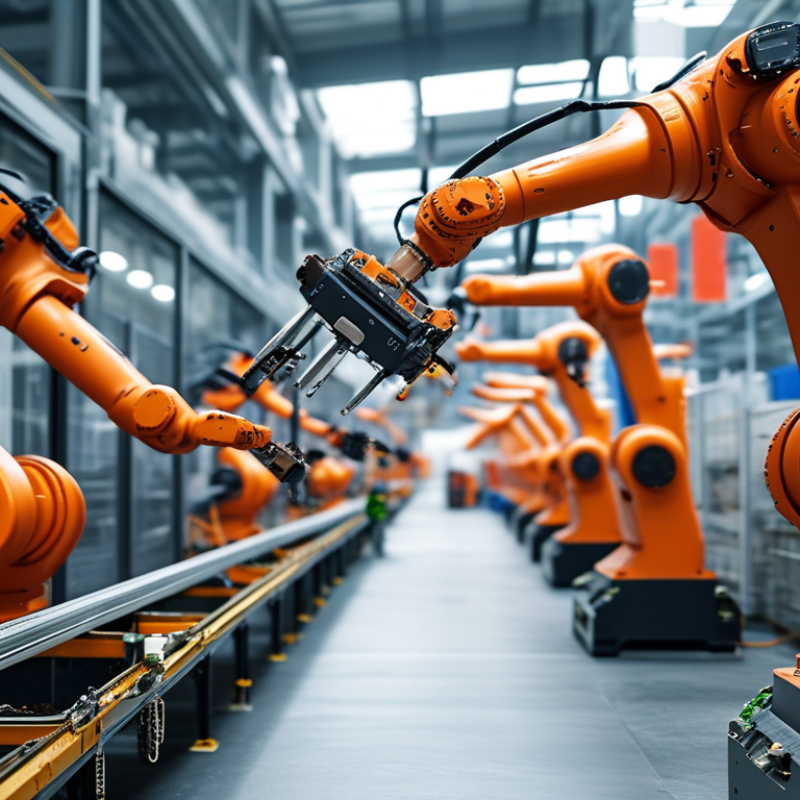
As we look toward 2026, the landscape of industrial automation equipment is rapidly evolving. Innovative technologies are reshaping production lines and operational efficiency. Major trends indicate how companies are integrating advanced systems to meet growing demands.
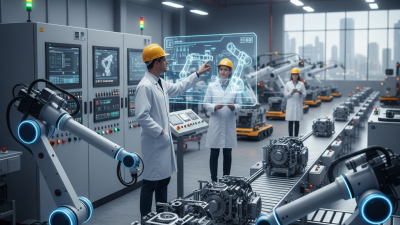
Experts highlight the importance of artificial intelligence and robotics in enhancing productivity. These innovations can streamline processes, but they also require careful implementation. Companies must consider workforce impacts and potential skill gaps.
Moreover, sustainability is becoming a focal point. Manufacturers are seeking eco-friendly solutions in their automation equipment. These changes spark conversations on balancing cost and environmental responsibility. Staying informed on these trends is crucial for industry leaders. Adopting new technologies can offer significant advantages, yet organizations must navigate the complexities involved.
Emerging Technologies Shaping Industrial Automation in 2026
The landscape of industrial automation is evolving rapidly. In 2026, several emerging technologies will significantly impact this sector. One key trend is the rise of artificial intelligence and machine learning. These technologies improve decision-making processes by analyzing vast amounts of data. Many companies are already testing smart algorithms that predict equipment failures, enhancing operational efficiency.
Additionally, the integration of the Internet of Things (IoT) is transforming how machines communicate. Smart sensors provide real-time data, allowing for quick adjustments. This connectivity helps prevent downtime and improves safety in high-risk environments. However, implementing IoT systems can present challenges. Issues like data security and interoperability must be addressed.
Moreover, automation is becoming more adaptable. Flexible robotics is replacing traditional fixed automation. These robots can easily switch between tasks, fitting into diverse production lines. Yet, reliance on automation raises questions about workforce displacement. Companies must rethink employee roles as automation advances. Embracing these challenges may lead to innovative solutions that enhance productivity while fostering a skilled workforce.
Top Industrial Automation Equipment Trends to Watch in 2026
| Trend |
Description |
Impact on Industry |
Estimated Growth (%) |
| AI & Machine Learning |
Utilizing advanced algorithms to enhance automation processes and predictive maintenance. |
Increases efficiency and reduces downtime through smarter operations. |
25% |
| Industrial IoT (IIoT) |
Connecting industrial machines to the internet for real-time data collection and analysis. |
Enhances data-driven decision-making and improves operational transparency. |
30% |
| Robotics & Automation |
Increased use of robots for assembly, packaging, and logistics functions. |
Streamlines production lines and reduces labor costs. |
20% |
| Cybersecurity for Automation |
Implementing advanced security measures to protect industrial networks from cyber threats. |
Enhances the safety and reliability of automated systems. |
15% |
| Edge Computing |
Processing data close to the source for faster response times and reduced latency. |
Improves operational efficiency in real-time data processing. |
22% |
Key Innovations in Robotics and AI for Enhanced Productivity
The industrial landscape is evolving rapidly, with robotics and AI at the forefront. In 2026, we can expect significant innovations that will increase productivity across various sectors.
Collaborative robots, or cobots, will work alongside humans, enhancing efficiency and safety. These machines will be equipped with advanced sensors and AI algorithms, allowing them to understand and adapt to their environment.
Tips: Implementing AI-driven automation can streamline workflows. Assess your tasks to identify areas for improvement.
AI-powered analytics will track performance and predict maintenance needs. This will reduce downtime and enhance operational efficiency. However, companies must ensure proper training for staff to avoid resistance to new technologies.
Tips: Focus on continuous learning for your team. Embrace change and foster an adaptive culture.
Robotics technology will not only boost production but also create new job roles. It’s crucial to reflect on the balance between automation and human oversight. Finding this balance will determine the sustainable future of industrial automation.
Advancements in IoT Integration for Smart Manufacturing Systems
The integration of IoT in smart manufacturing is transforming the industrial landscape. Sensors and connected devices gather real-time data, allowing for efficient monitoring of machinery and workflows. This ensures that operations run smoothly and reduces downtime. However, not all systems are fully optimized yet. Many manufacturers still struggle with data overload. The challenge lies in filtering out relevant information amidst the noise.
With advances in machine learning, the potential for predictive maintenance is significant. Machines can alert operators before a failure occurs. This proactive approach saves costs and enhances productivity. Yet, implementing these technologies can be daunting for smaller firms. They often lack the resources or expertise to adopt IoT solutions fully. Training staff is another hurdle. Ensuring employees understand the systems is crucial for success.
Moreover, cybersecurity remains a major concern as IoT devices proliferate. Increased connectivity can lead to vulnerabilities. Companies must prioritize robust security measures to protect sensitive data. Building resilient networks requires ongoing effort and reflection. Striking a balance between innovation and security is vital for all manufacturers aiming for future success.
Trends in Workforce Automation: Balancing Humans and Machines
The landscape of workforce automation is evolving. In 2026, we will see a balance between human workers and machines. Companies are investing in technology that complements human skills. This creates a collaborative work environment. These changes raise questions about job security. Workers may feel threatened by machines taking over tasks.
Automation enhances efficiency. However, it can also lead to frustration. Employees need training to adapt to new systems. Job roles may change, requiring new skills. Workers must embrace continuous learning. Organizations should focus on employee well-being. A supportive culture can mitigate fears.
As machines take on repetitive tasks, humans can focus on creativity. Innovation thrives in a balanced workforce. Trust between employees and technology is crucial. This balance should reflect the company's values and goals. Businesses must navigate this transition carefully. They should prioritize transparency and communication. Engaging workers in this journey is vital for success.
Top Industrial Automation Equipment Trends to Watch in 2026
Sustainability and Eco-Friendly Practices in Industrial Automation Equipment
The shift towards sustainability is shaping the future of industrial automation. Eco-friendly practices have become essential in equipment design and manufacturing. Companies are exploring renewable materials. This movement aims to reduce waste and minimize environmental impact.
Energy efficiency is a key focus. Automation systems now incorporate smart technologies. These technologies help track energy consumption in real-time. Leveraging renewable energy sources, like solar and wind, is becoming common. However, many firms struggle to fully implement these eco-friendly solutions. Cost and complexity can be significant hurdles.
There’s an increasing demand for lifecycle assessments of automation equipment. Understanding the environmental footprint is crucial. This analysis often reveals unexpected challenges in waste management. Companies must adapt their strategies for better sustainability. Continuous improvement is vital, yet many still remain skeptical about the benefits. The journey toward an eco-friendly future in industrial automation will require dedication and innovation.

 +86 15921716191
 Contact Phone
 Contact Email