Top 10 Types of Manufacturing Automation Solutions
Manufacturing Automation Solutions are changing how factories move materials, control machines, and protect product quality. This transformation is not limited to large automotive plants. A food processor, electronics workshop, or metal fabricator may use different tools, yet each faces similar pressures: labor shortages, tighter tolerances, shorter delivery windows, and rising energy costs.
Joseph F. Engelberger, widely recognized as the father of industrial robotics, said, “The first step in automation is to automate the things that should be automated.” That reminder still matters. A robotic arm cannot repair poor process design. A dashboard cannot correct unreliable sensors. Practical automation begins with evidence from the factory floor, such as repeated stoppages, manual inspection errors, or pallets waiting beside a loading area.
This guide examines the top 10 types of Manufacturing Automation Solutions, including robotic systems, programmable logic controllers, machine vision, automated guided vehicles, and warehouse automation. Each category offers a different balance of speed, flexibility, cost, and technical complexity. Some solutions improve consistency within weeks. Others require careful integration, employee training, cybersecurity controls, and years of maintenance planning.
The ideal choice is rarely obvious. That is the difficult part. A smaller machine may outperform a sophisticated system when production changes frequently. An automated line can also create new bottlenecks if upstream materials arrive late. Readers should therefore compare real operating conditions, not impressive specifications alone. The strongest decisions combine engineering analysis, worker experience, measurable results, and honest reflection about what automation cannot solve.
What Manufacturing Automation Solutions Are and How They Work
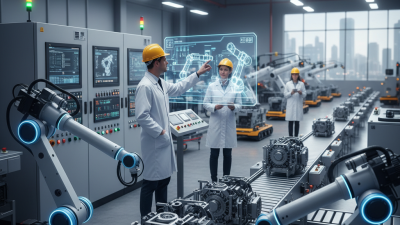
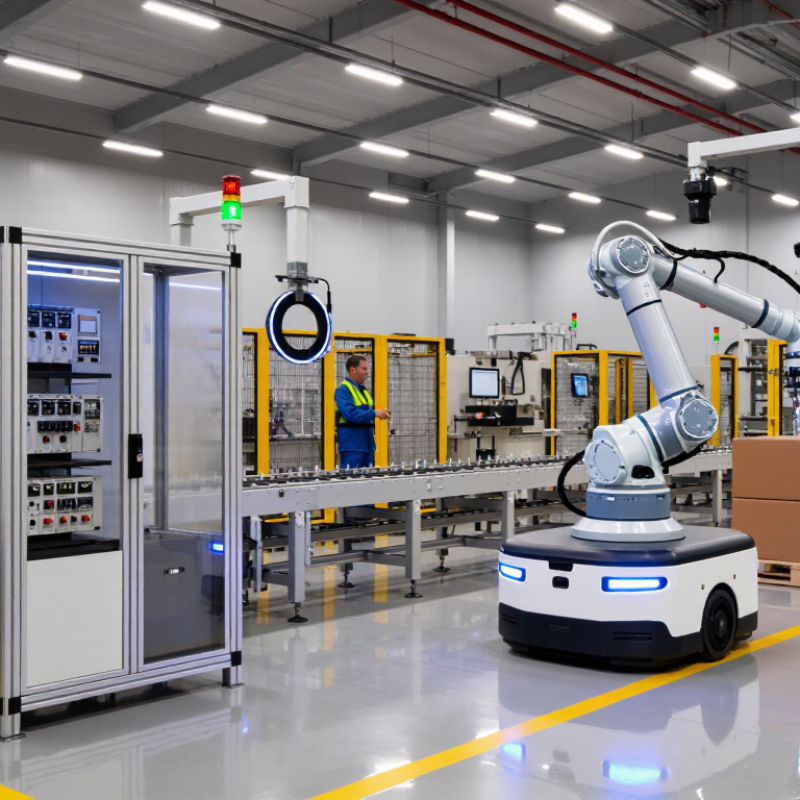
Manufacturing automation solutions connect machines, software, and people into a controlled production system. Common types include industrial robots, collaborative robots, machine vision, programmable logic controllers, automated guided vehicles, and manufacturing execution software. Sensors capture temperature, force, position, or vibration. Controllers interpret that information and send commands to motors, valves, or robotic arms. The system then checks the result through feedback. This cycle repeats in milliseconds.
The International Federation of Robotics reported 541,302 industrial robots were installed worldwide in 2023, with more than 4.28 million operating globally. These figures show how automation is becoming a practical production tool, not a futuristic concept. A vision camera can detect a missing component, while software records the defect and adjusts the workflow. Predictive maintenance tools study vibration patterns and warn technicians before a bearing fails. The value comes from connected decisions, not from one machine working alone.
Yet automation is not magic. A poorly calibrated sensor can spread errors faster than a person can notice them. A 2024 industry survey by the International Society of Automation highlighted continuing concerns around skills, cybersecurity, and system integration. That warning deserves attention. Effective implementation usually starts with a measurable bottleneck, such as repeated rework or unsafe material movement. Engineers then test a small process, compare real production data, and revise the design. Sometimes the best solution is less automation, not more.
Top 10 Types of Manufacturing Automation Solutions
Manufacturing automation uses control systems, robotics, software, and connected equipment to improve productivity, quality, safety, and consistency across production processes.
The chart compares the main manufacturing automation solution categories by their typical role in production. Robotics and automated material handling support repetitive physical tasks, while machine vision, PLC control, MES, SCADA, predictive maintenance, digital twins, AGVs/AMRs, and collaborative robots improve control, traceability, flexibility, and operational efficiency.
Relative importance index: a normalized 0–100 comparison based on the breadth of manufacturing applications, process impact, and common deployment requirements. It is not a market-share or company-revenue measure.
Robotic Systems for Repetitive Handling, Assembly, and Processing
Top 10 Types of Manufacturing Automation Solutions
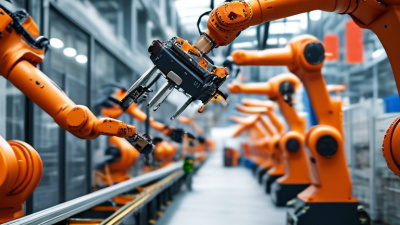
Robotic systems handle repetitive movement, assembly, and processing with consistent timing. Common solutions include pick-and-place, palletizing, depalletizing, machine tending, packaging, fastening, welding, dispensing, inspection, and surface finishing. Each application needs a different end-of-arm tool. A vacuum gripper may lift cartons, while a force-controlled tool can press small components without damage.
In a production cell, sensors confirm part position before the robot moves. Vision systems can detect orientation, missing pieces, and surface defects. Safety scanners create monitored zones around moving equipment. Proper fixture design matters just as much as robot speed. A loose fixture can cause repeated assembly errors, even when the robot follows its program perfectly. Small timing changes can also improve throughput without increasing motion speed.
Automation is not plug-and-play. Early trials often reveal poor part presentation, awkward access, or unstable tolerances. That feedback is valuable. Engineers can adjust gripper pressure, approach angles, tool calibration, and inspection points. Operators should test manual recovery procedures because stoppages will happen. The best systems remain understandable, serviceable, and measurable. Faster is not always better. A slightly slower robot may reduce rejects, protect components, and create a safer working rhythm.
Computer-Controlled Production and Flexible Manufacturing Systems
Top 10 Types of Manufacturing Automation Solutions
Computer-Controlled Production and Flexible Manufacturing Systems
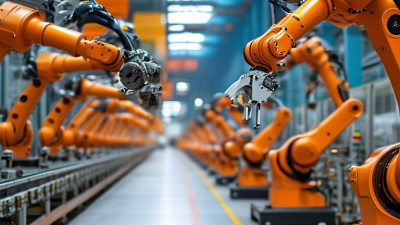
Computer-controlled production links machines, sensors, software, and operators through shared data. Common solutions include CNC systems, PLC controls, SCADA platforms, MES software, robotics, machine vision, automated storage, AGVs, digital twins, and flexible manufacturing cells. In practice, a pallet may enter a cell, scan its work order, receive a tool change, and leave with measured results attached.
The International Federation of Robotics reported 541,302 industrial robot installations worldwide in 2023. Its report also recorded more than 4.28 million robots operating in factories. These figures show strong adoption, but robot density alone does not create flexibility. A flexible manufacturing system needs modular fixtures, automatic tool management, reliable network connections, and software that can handle product variation.
Deloitte’s 2023 Smart Manufacturing and Operations Survey found that 86% of surveyed leaders considered smart manufacturing important for competitiveness. Yet many factories still struggle with inconsistent machine data and unclear ownership. A practical deployment often starts with one production cell, not the entire plant. Engineers can test changeover time, alarm quality, and operator workload before expanding. It is not always elegant. Poorly designed automation can make failures faster. Human judgment still matters when materials vary, sensors drift, or the production plan changes unexpectedly.
Inspection, Monitoring, and Data-Based Quality Automation
Top 10 Types of Manufacturing Automation Solutions
Inspection, Monitoring, and Data-Based Quality Automation
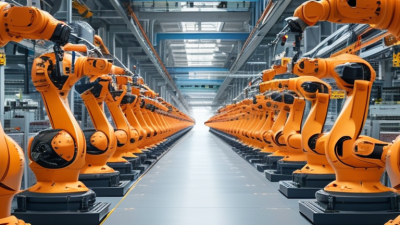
Modern factories use automation to inspect products, monitor equipment, and improve quality decisions. Inspection automation checks dimensions, surfaces, labels, and assembly details during production. Cameras, sensors, and measuring devices can detect scratches, missing parts, or uneven edges. The goal is consistent evaluation, not faster rejection. Small defects often reveal larger process problems. Yet no system is perfect.
Monitoring automation watches machines, production lines, and environmental conditions. It tracks temperature, vibration, pressure, cycle time, and stoppages. Operators can see unusual changes before a failure interrupts output. Data-based quality automation connects these observations with inspection results. A clear dashboard can show recurring defects by shift, material, or process stage. Statistical models may identify patterns that manual records miss. Human review remains important. It catches context that software cannot understand.
In my experience, reliable automation begins with clean measurements and practical targets. Start with one process. Define acceptable limits and record real production variation. Test the system under bright, dim, clean, and dusty conditions. One overlooked issue is poor lighting. It creates false defects. False alarms waste trust and time. Automation also needs regular calibration, maintenance, and staff training. A mature quality system learns from rejected parts, operator feedback, and changing materials. Sometimes, a manual check is still the better choice.
How to Select and Integrate Automation for Different Manufacturing Needs
Selecting manufacturing automation starts with the process, not the machine. A production audit should record cycle time, defect rates, changeover minutes, worker movement, and safety risks. These details guide the choice between robotic arms, collaborative robots, automated guided vehicles, vision inspection, CNC systems, packaging cells, palletizing equipment, programmable controllers, sensors, and production monitoring software.
Start small. A pilot cell can test one repetitive task, such as loading parts into a press. Measure output during normal shifts, not ideal demonstrations. Check whether operators can adjust fixtures, clear faults, and perform routine maintenance. The best solution usually fits existing skills and floor space. A technically impressive system can still fail when spare parts arrive late or training is too brief.
Integration requires a clear data and control plan. Confirm electrical standards, network access, machine interfaces, guarding, and emergency procedures before installation. Use common data definitions for downtime, rejects, and completed units. Include operators in acceptance testing. They often notice awkward access points that engineers miss. Flexible tooling helps when product sizes change, but flexibility can increase setup complexity. That trade-off needs honest costing. Automation is not automatically cheaper. Energy use, software updates, maintenance labor, and unplanned stops belong in the calculation. Keep manual fallback procedures documented, because early systems rarely perform perfectly.

 +86 15921716191
 Contact Phone
 Contact Email