+86 15921716191


Rfid Labeling Systems For Industry connect physical products with reliable digital records. They combine RFID inlays, label materials, encoding software, printers, readers, and business systems. In practical operations, a label may identify a steel component, pallet, medical device package, or returnable container within seconds. The information becomes visible without requiring direct barcode alignment.
A well-designed system begins with the operating environment. Heat, moisture, chemicals, vibration, and metal surfaces can weaken read performance. Label engineers therefore select suitable inlays, adhesives, and protective materials. They also test placement, orientation, and reader distance before full deployment. Small details matter. A poorly positioned tag can create missed reads, duplicate records, or unnecessary manual checks.
Reliable systems include data validation and clear human-readable printing. Operators should confirm product numbers, batch references, and serial information before labels leave the workstation. Integration with ERP, WMS, or production software can reduce repeated data entry and improve traceability. However, integration is not automatically successful. That assumption can fail. Older equipment, inconsistent master data, and rushed training often create avoidable gaps. Regular verification, documented procedures, and measurable read-rate testing support dependable performance. Industry standards and supplier testing can guide decisions, but each site still needs practical validation. No system is flawless. The strongest approach leaves room for review, adjustment, and honest feedback from the people using labels every day.

RFID labeling systems for industry combine a digital label, an antenna, and software. The label stores an electronic identity for a pallet, component, tool, or finished product. A reader captures that identity without direct line-of-sight scanning. Data then moves into inventory, warehouse, or production systems. This makes movement visible at receiving docks, assembly stations, and shipping areas.
The use case is practical. A tagged pallet can confirm its location as it passes a doorway. A tagged component can support batch tracking during assembly. A technician can locate tools faster through handheld readers.
The 2023 Global Warehousing Study reported that 58% of surveyed organizations planned RFID deployment by 2028.
Market research from MarketsandMarkets estimated the RFID market would grow from 14.5 billion dollars in 2022 to 31.8 billion dollars in 2028.
However, labels do not solve poor data practices. Metal surfaces, liquid products, and tightly packed goods can weaken signal performance. Reader placement needs field testing. Encoding errors also create silent inventory problems. That part is often underestimated. In real industrial projects, teams should test label materials, read distance, temperature exposure, and software integration before scaling.
A small pilot may reveal unexpected dead zones. It may also show that workers need clearer exception alerts, not more data. Industry standards from GS1 support consistent identification, but implementation still depends on disciplined processes and trained staff.
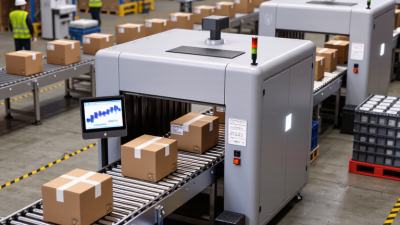
An RFID label combines a small electronic inlay, antenna, adhesive layer, and printed information. The inlay stores a unique identification number. Some labels also hold product details, batch data, or handling instructions.
An RFID reader sends radio waves toward the label. A passive tag captures a small amount of energy from that signal. It then returns its stored identifier through radio communication. The reader receives this response without requiring direct visual contact. Software filters the captured data and sends useful events to inventory or production systems. For example, a reader may record when a pallet enters a loading area. It can also confirm movement between workstations.
Placement matters greatly. Metal surfaces can weaken communication, while liquids may absorb radio energy. Crowded pallets can create missed or repeated reads. Real facilities often need several tests before choosing a label position. That part is less tidy than many diagrams suggest. Technicians usually compare read distance, orientation, packaging material, and conveyor speed. They may also adjust reader power and detection zones.
A practical system links each label to a verified item record. Staff should check encoded data before applying labels. Regular audits can reveal damaged labels, duplicate identifiers, or unexpected gaps. RFID improves visibility, but it does not repair inaccurate records. Careful installation and maintenance remain necessary.
An industrial RFID labeling system connects physical items with digital records. Its core is the RFID inlay, which contains a microchip and antenna. The chip stores an identifier, while the antenna communicates with a reader. Label material and adhesive matter too. Dust, heat, moisture, and rough surfaces can weaken performance. A label designed for cardboard may fail on painted metal.
The printer-encoder creates the label and writes data to the chip. It can also print human-readable details, such as a serial number or handling code. A fixed or handheld reader captures the tag during production, storage, or shipment. Readers often connect with antennas, industrial networks, and edge devices. Software then filters duplicate reads and sends reliable events to inventory or production systems.
A strong setup includes verification. The system should confirm that the printed code matches the encoded identifier. It should also record failed writes and unreadable labels. Small tests are essential.
Real conditions can expose weaknesses. A tag may work perfectly in an office but fail beside liquid containers or metal racks. Read zones need adjustment, not guesswork. Data security, user permissions, and audit records support dependable operation. Integration may still require manual review, especially when older equipment uses inconsistent data formats.
What Are RFID Labeling Systems for Industry?
Types of RFID Labels and Industrial Applications
Industrial RFID labels combine a printed surface with a small electronic inlay. They identify assets without requiring direct line-of-sight scanning. In practice, the label must match the material, distance, temperature, and reading environment.
Passive UHF labels suit warehouse pallets, cartons, returnable containers, and production batches. They read from several meters away when antennas and orientation are properly configured. Passive HF labels work well for shorter-range tracking, tool cabinets, and controlled access points. Active RFID labels include a battery and support longer ranges or sensor data. They are useful for monitoring mobile equipment across large facilities. Some tags need power.
On-metal labels use specialized construction for steel racks, cylinders, and machinery. Standard paper labels may fail on metal surfaces or near liquids. Washable and rugged labels support reusable bins exposed to dust, vibration, or cleaning chemicals. Temperature-resistant labels can follow components through ovens or cold storage, but specifications require real testing. A label that worked on a clean sample may fail after oil, abrasion, or condensation. Testing changes everything.
In manufacturing, RFID labels can record work-in-progress movement between stations and reduce manual entry errors. Logistics teams use them to verify loading, receiving, and container returns. Healthcare facilities may apply them to equipment, linen, and sterilization trays under approved procedures. I would not trust a system based only on read distance. Placement, interference, software accuracy, and employee handling matter just as much. Pilot checks often reveal overlooked gaps.
Types of RFID labels and their typical industrial read ranges
RFID labeling systems combine RFID inlays, printed labels, readers, antennas, and software to identify and track products, pallets, tools, assets, and work-in-process items without requiring direct line-of-sight scanning.
The chart shows typical practical maximum read distances under favorable industrial conditions. Actual performance depends on operating frequency, antenna design, tag orientation, material composition, reader power, and the surrounding environment.
LF labels are commonly used for animal identification and access-control applications. HF labels support short-range item identification, document tracking, and smart-card applications. UHF labels are widely suited to warehouse, logistics, inventory, and production-line tracking. Battery-assisted passive labels extend read distance for larger industrial assets and difficult operating environments.
Industrial RFID labeling systems combine tags, readers, antennas, and software. They identify pallets, tools, components, and finished goods without direct scanning. Grand View Research estimated the global RFID market at about USD 14.5 billion in 2022. It also projected an 11.9% compound annual growth rate through 2030. This growth reflects practical demand for faster inventory checks, fewer manual entries, and better traceability.
The benefits depend heavily on selection. Choose passive or active tags based on read distance, battery needs, and asset value. Metal surfaces require suitable tag designs. Liquids and dense materials can weaken radio signals. Test performance near conveyors, racks, forklifts, and production machinery. The antenna layout matters too. A perfect tag can still fail in a poor installation.
Industrial buyers should compare read accuracy, operating temperature, enclosure protection, memory capacity, and software integration. ISO/IEC 18000-63 supports widely used UHF air-interface requirements, while GS1 guidance helps structure identification data. A 2024 IDTechEx RFID forecast continues to identify logistics and industrial asset tracking as major application areas. However, market forecasts do not guarantee plant-level savings. A small pilot with real materials is safer than a large rollout. Track missed reads, duplicate reads, labor minutes, and maintenance effort. The results may disappoint. That is useful evidence, not failure.
| Evaluation Dimension | Industrial RFID Option or Typical Data | Operational Benefit | Selection Considerations |
|---|---|---|---|
| Primary RFID Frequency | LF: approximately 125–134 kHz; HF/NFC: 13.56 MHz; UHF: typically 860–960 MHz | Matches the label system to the required read distance, data rate, and operating environment | Confirm regional UHF regulations, reader compatibility, material interference, and required read range |
| Typical Read Range | LF/HF: commonly centimeters to less than 1 meter; passive UHF: commonly several meters, depending on the installation | Supports close-range identification or hands-free portal and conveyor reading | Test the final label on the actual product, especially when metal, liquids, dense packaging, or shielding is present |
| Tag Power Type | Passive tags use reader energy; active tags use a battery; battery-assisted tags combine a battery with backscatter communication | Provides a choice between low maintenance, extended range, and sensor functionality | Consider tag cost, battery life, maintenance access, required range, and whether sensing is necessary |
| Data Storage | Many passive UHF labels provide a factory identifier plus user memory ranging from zero to several kilobits; exact capacity varies by chip | Enables item identification, serialized records, and selected process data without line-of-sight scanning | Store only essential data on the tag and keep detailed records in the enterprise or manufacturing system when possible |
| Common Air-Interface Standard | UHF industrial labels commonly use EPC Gen2 / ISO/IEC 18000-63; HF systems commonly use ISO/IEC 15693 or ISO/IEC 14443 families | Improves interoperability between labels, readers, and software from different suppliers | Verify the reader, printer-encoder, middleware, and application all support the selected standard and memory features |
| Label Construction | Printed face stock, adhesive layer, RFID inlay, and optional protective overlaminate or hard carrier | Combines human-readable information with automated wireless identification | Match adhesive, face material, label size, and antenna design to the substrate and application method |
| Material Compatibility | General-purpose inlays work well on many cardboard and plastic surfaces; specialized on-metal labels are designed with a spacer or shielding layer | Reduces missed reads caused by conductive or radio-absorbing materials | Use application-specific validation on metal, liquid containers, carbon-filled plastics, and tightly packed products |
| Environmental Resistance | Industrial labels may be engineered for moisture, dust, abrasion, chemicals, temperature cycling, and outdoor exposure; protection levels vary by construction | Extends label service life in manufacturing, logistics, warehousing, and field operations | Define exposure conditions and validate the complete label, adhesive, print, and substrate combination—not only the RFID chip |
| Operating Temperature | Standard paper labels are intended for moderate conditions; specialty labels are available for freezer, elevated-temperature, or thermal-process applications | Maintains adhesion, readability, and RFID performance across the process lifecycle | Separate storage, application, operating, and short-term peak temperatures when specifying the label |
| Printing and Encoding | Labels can be printed with text, barcodes, and graphics while the RFID inlay is encoded during print-and-apply or batch production | Reduces manual data entry and links physical labels with digital production or inventory records | Select compatible inlays, printer-encoder settings, label dimensions, verification tools, and serialization rules |
| Read Accuracy | Performance depends on antenna orientation, reader power, tag population, product materials, distance, and installation geometry | Improves automated counting, routing, work-in-process tracking, and asset visibility | Measure read-rate results under normal line speed and worst-case product orientation rather than relying only on laboratory specifications |
| Security and Privacy | Available controls may include password protection, memory locking, access controls, and post-sale tag deactivation where supported | Helps protect data integrity and limits unauthorized changes or reads | Define who can read, write, modify, or deactivate tags and avoid placing sensitive personal information directly on the label |
| Total Cost of Ownership | Includes labels, readers, antennas, printer-encoders, software integration, installation, testing, maintenance, and process training | Reveals the financial effect of reduced labor, fewer shipping errors, faster inventory checks, and improved traceability | Compare the complete lifecycle cost and expected operational savings instead of comparing label unit prices alone |