Best Automated Labeling Systems for Manufacturing in 2026?
Choosing the best Automated Labeling Systems For Manufacturing in 2026 starts with the product, not the brochure. A carton moving past a conveyor needs different handling from a curved bottle or a small component tray. Label size, line speed, surface material, and print requirements all shape the right choice. A useful shortlist should compare print-and-apply units, pressure-sensitive applicators, and systems designed for wraparound or top-and-bottom labeling.
Manufacturing quality expert W. Edwards Deming is often quoted as saying, “Quality is everyone’s responsibility.” That principle matters on a labeling line. A misplaced label can slow packing, complicate identification, or create extra checks. Look closely at placement accuracy, changeover time, code readability, verification options, and integration with existing controls. Ask how the system behaves when a label roll runs low or a package arrives slightly out of position. Small details matter.
No single system fits every plant. A fast applicator may be a poor match for frequent product changes, and automation alone does not guarantee consistent results. Compare equipment against real production conditions, including dust, temperature, shift patterns, and operator access. Where possible, request a live demonstration using your own containers and labels. Then check service support and maintenance needs, not just headline speed. The comparison ahead focuses on practical fit, because the best choice is the one your team can run reliably.
What Automated Labeling Systems Do in Manufacturing
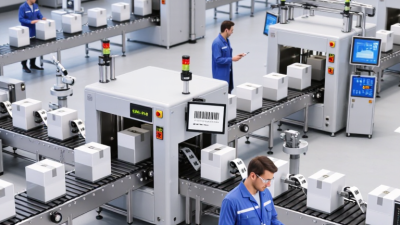
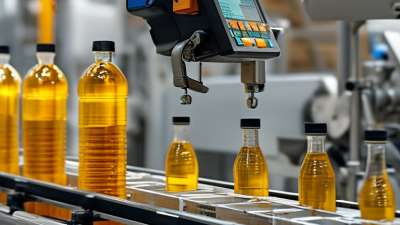
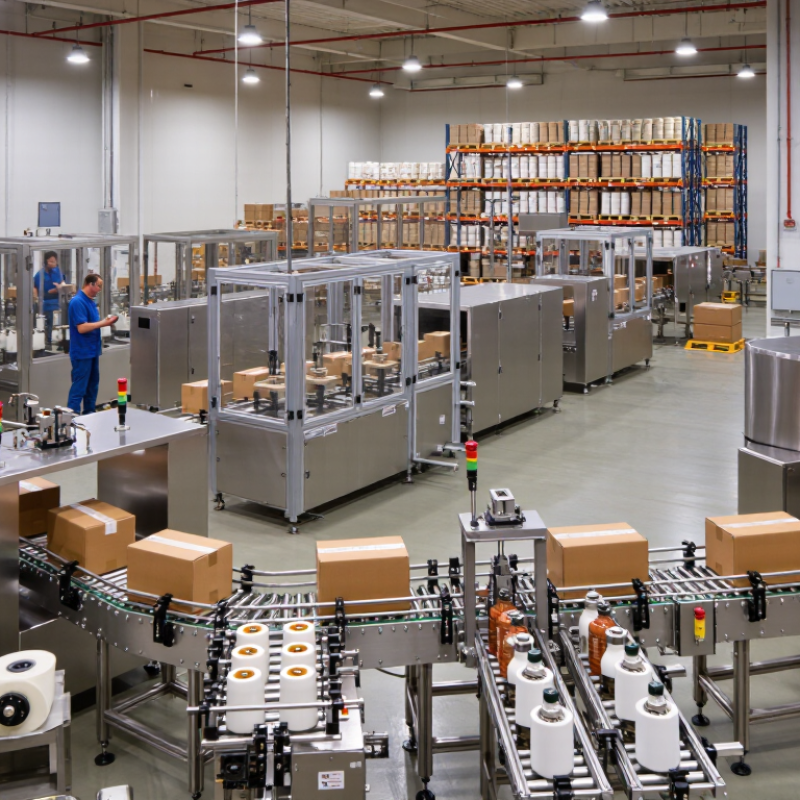
In manufacturing, automated labeling systems print and apply product information as items move through a production line. They can place labels on cartons, bottles, components, or pallets, often using sensors to detect each item’s position. A system may print a batch code, production date, product identifier, or barcode, then apply the label at a set point. Some lines also use cameras or scanners to check whether a label is present and readable. That check can catch a skewed label before a case reaches packing.
The practical value is consistency. A label placed in the same location is easier for workers and downstream scanners to read. Automation can also reduce repetitive hand application, especially when line speeds or shift volumes change. Still, it is not a set-and-forget solution. A dusty carton, a curved container, or a change in label material can affect adhesion and placement. Small details matter. Teams should test the actual packaging, confirm print settings, and inspect results during changeovers. I have seen the most useful improvement come from a simple adjustment to sensor position, not a faster applicator. Automated labeling helps manage repeatable tasks, but people still need to verify that the right information reaches the right package.
Core Technologies and Labeling System Types
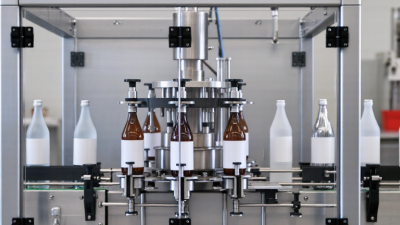
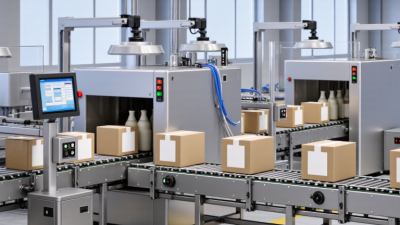
Automated labeling systems combine printers, applicators, sensors, and control software to place product information consistently. Print-and-apply units create labels on demand, then use a tamp pad or air blow to attach them. Wraparound applicators suit bottles and cylindrical containers, while top-and-bottom systems handle trays or cartons. The right type depends on package shape, line speed, and label position—not just printer output.
Thermal transfer printing uses a ribbon for durable text and barcodes; direct thermal printing avoids ribbons but may fade faster under heat or light. Vision cameras can verify that a label is present, readable, and correctly positioned. Photoelectric sensors detect passing products, while a programmable controller synchronizes printing and placement with conveyor movement. Small details matter. A glossy package or dusty surface can disrupt adhesion, so testing should use real production materials and speeds.
For traceability, systems may connect to production databases or encode data in two-dimensional codes or RFID tags. Integration needs careful setup: a correct label can still carry outdated information if data fields are mapped poorly. I would test changeovers, rejected products, and restart behavior before choosing a system. No setup is perfect. Even a well-tuned applicator may need adjustment when package dimensions vary more than expected.
Automated Labeling Systems for Manufacturing in 2026
Indicative planning ranges show typical throughput in labels per minute; actual performance depends on label size, product handling, line integration, and changeover requirements. Print-and-apply systems combine printing with application, while wipe-on, tamp/blow, wrap-around, and robotic systems use different application methods. Thermal printers, sensors, PLC controls, and machine vision are common enabling technologies. Verify specifications against the intended production line.
Key Criteria for Comparing Systems in 2026
In 2026, compare automated labeling systems by accuracy, throughput, and consistency—not headline speed alone. Test them with your actual containers, label materials, and production line speeds. Record misapplied labels, jams, and changeover time across several shifts. Small errors add up.
Check how well each system fits existing conveyors, scanners, and production software. A quick demonstration may hide difficult setup or slow product changeovers. Ask operators to load a new roll and adjust label position themselves. Their feedback matters. Also review cleaning needs, training, spare-part access, and support response times. Compare total operating costs, not just the purchase price. Automation can reduce repetitive work, but it may introduce new maintenance demands.
Tips: Run a trial using a busy shift and a real product changeover. Keep a simple log of downtime, rejects, and operator adjustments. Be cautious with perfect test results; factory conditions are rarely perfect. A system that performs slightly slower but stays stable may suit your line better.
Leading Automated Labeling Systems and Their Applications
Best Automated Labeling Systems for Manufacturing in 2026?
Leading Automated Labeling Systems and Their Applications
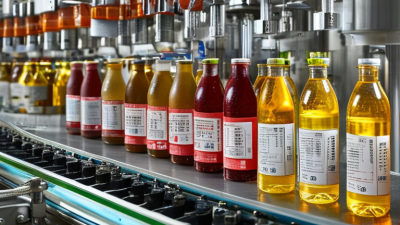
Automated labeling systems solve different production problems. Print-and-apply units suit cartons that need changing batch codes or shipping information. Pressure-sensitive wraparound applicators handle bottles and jars at steady speeds. Direct-print systems mark codes onto packages without a separate label, while vision cameras check placement and readability. On a busy line, even a small label shift can trigger rework.
The wider automation trend is clear, though it does not guarantee every labeler will pay off. The International Federation of Robotics reported 4.28 million industrial robots operating worldwide in 2023, a 10% rise from 2022. Deloitte’s 2025 smart manufacturing survey found that 92% of respondents expected smart manufacturing to drive competitiveness within three years. These figures describe the factory environment, not labeling adoption specifically.
Match the system to the product and the line. A food carton may need a readable date code; a glass bottle may need a label that stays smooth through handling. Check changeover time, cleaning access, label-stock waste, and whether inspection catches skewed or missing labels. The trade-off is real. High speed can expose weak integration with conveyors or reject mechanisms. And specifications rarely show every jam, sensor misread, or awkward roll change. Pilot runs on actual packaging reveal more than a brochure can.
How to Select and Integrate a Manufacturing Labeling System
How to Select and Integrate a Manufacturing Labeling System
Choose a labeling system around the job, not its feature list. Check label size, print speed, adhesive performance, and readability on your actual packages. Then map how label data will travel from production software to the printer and scanner. A line may run smoothly until a product change leaves an old label in the queue. Small details matter. Confirm that operators can pause, correct, and restart jobs without losing traceability.
Integration deserves as much attention as equipment. Deloitte’s 2024 Smart Manufacturing and Operations Survey reported that
86% of manufacturing executives
viewed smart manufacturing solutions as a driver of competitiveness over the next five years. That supports investment in connected production, but connectivity alone does not prevent errors. Define who owns label templates, how revisions are approved, and what happens when a network connection fails. Test with real cartons, shift changes, and peak line speeds. A pilot can expose gaps that a polished demonstration misses.
Tips: Start with one representative line. Record misprints, changeover time, and scan failures before and after installation. Keep a manual fallback; it may feel less advanced, but downtime is not theoretical. Revisit the workflow after operators have used it for several weeks. A good system should fit the process, while also revealing where the process needs work.

 +86 15921716191
 Contact Phone
 Contact Email